

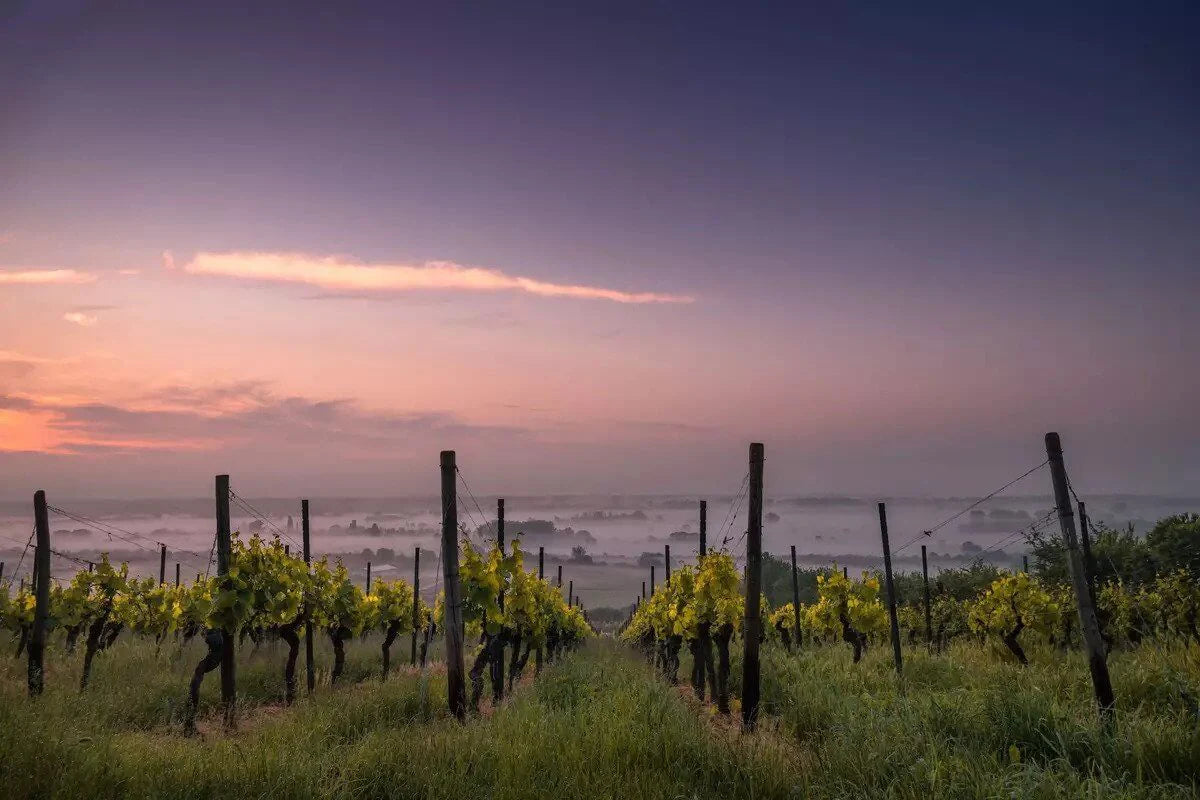
In the winter of 1962, practically everyone in the New York wine industry agreed on one thing: European wine grapes couldn't survive a Finger Lakes winter. The region grew tough native grapes and French hybrids because ten-below nights killed noble vines. Everyone knew it.
Everyone except Dr. Konstantin Frank, a Ukrainian-born viticulturist with a doctorate in freezing-climate grape growing, who had farmed Riesling in conditions that made upstate New York look mild, and who had spent nine years in America being told he was wrong, part of it washing dishes. When his first Rieslings and Gewürztraminers came off Keuka Lake alive and brilliant, he didn't just win an argument. He rewrote the map of American wine.
Today New York is the country's third-largest wine state, and its best bottles, taut Rieslings and fragrant Cabernet Francs, go glass-for-glass with Europe at half the money.
Lakes That Work for a Living

The Finger Lakes are the engine, and the engine is thermal. Eleven glacial lakes, gouged deep by ice-age glaciers (Seneca plunges over 600 feet and rarely freezes), soak up summer heat and bleed it back all winter, wrapping the surrounding slopes in a blanket a few crucial degrees warmer than the frozen interior.
In spring the still-cold lakes delay budbreak past the frost window; in autumn they stretch the season for late-ripening whites. It's the same lake-effect physics that powers Niagara across the border, and it means vinifera vines survive at a latitude and winter severity that should be impossible. The vineyards hug the water like campers around a fire. Drive one ridge away from any lake, and the orchards take over.
Riesling First
Riesling is the Finger Lakes' world-class claim, and the style is its own: drier and leaner than Germany's classics, more generous than Austria's, with Seneca and Keuka slate-and-citrus tension and a streak of lake-air freshness.
The benchmark producers read as a short, fierce list: Dr. Konstantin Frank (the founding house, still family-run), Hermann J. Wiemer (a Mosel family's American estate, now farming some of the East's best-mapped vineyards), Ravines, and Forge Cellars.
That last one is a genuine transatlantic vote of confidence, co-founded by Louis Barruol of Château de Saint Cosme in the Rhône, who crossed the ocean to make dry single-vineyard Riesling on Seneca's east bank. Kabinett-weight bottles run $20 to $30, and the top single-vineyard wines rarely cross $45. That's Mosel-class drinking at New York State prices.
The Red Question, Answered
For decades the knock on New York was "lovely whites, thin reds." Cabernet Franc ended the argument. The Loire's great red grape ripens reliably in cool years, shrugs off hard winters better than Cabernet Sauvignon, and gives exactly what modern drinkers want: raspberry and violet aromatics, pepper, medium body, real freshness.
It has quietly become the state's red flag-bearer from the Finger Lakes to Long Island, with pockets of serious Pinot Noir, Lemberger (yes, Austria's Blaufränkisch, thriving in New York cold), and Syrah in warm years. Serve them slightly cool and think Chinon with an American accent.

Long Island: The Maritime Claim
Ninety minutes from Manhattan, the North Fork of Long Island farms wine on an ocean-moderated sandbar: mild winters, long autumns, Atlantic breeze, and the model is unabashedly Bordeaux, Merlot with plush red fruit and salt air, Cabernet Franc, blends built for the table.
Bedell, Paumanok, and Lenz proved the case decades ago, and a new generation of winemakers has sharpened it. The wines rarely travel far; Manhattan restaurants and Hamptons cellars drink most of the production, which makes them a genuine find-it-if-you-can category.
The Hudson and the Deep History
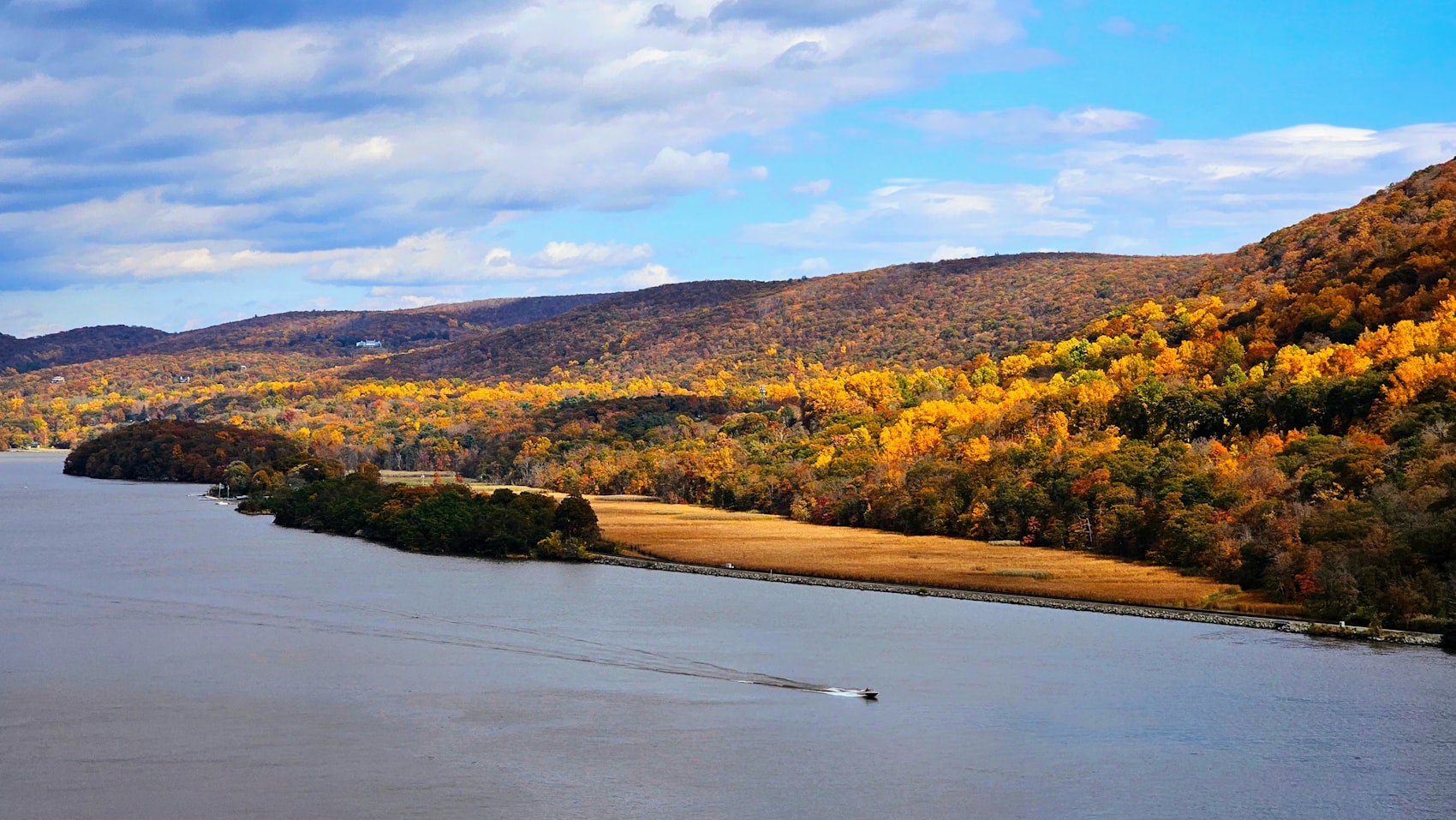
The Hudson River region holds the longest continuous winemaking story in America: vines since the 1670s, and at Brotherhood Winery, founded in 1839, the country's oldest continuously operating winery, which poured "medicinal" wine straight through Prohibition. Today the valley mixes Chardonnay, Cabernet Franc, and heritage hybrids like Seyval Blanc with one of the East's most exciting cider-and-wine food cultures.
And across the state, don't sleep on the sweet rarities: in the right brutal winter, Finger Lakes producers make true ice wine from Riesling and Vidal, the same frozen-grape gamble we cover in our Canadian icewine guide, played on American ice.
Buying New York Smart
Dry Finger Lakes Riesling is the move: $22 buys precision that European equivalents price at $40, and it ages a decade on its acidity. Cabernet Franc is the red to stock by the case for roast chicken, charcuterie, and Thanksgiving itself.
Long Island Merlot is the East Coast's quiet Bordeaux impression. And if you spot a Finger Lakes ice wine or a single-vineyard Wiemer or Forge bottling, take it; production is tiny, the state drinks most of its own best work, and the rest of the country is only beginning to catch on. Dr. Frank was right in 1962. The market is still catching up to him.
Quick Answers: New York Wine
Is New York wine actually good?
The best of it is world-class: dry Finger Lakes Riesling stands with Germany and Austria in blind tastings, and New York Cabernet Franc has become the East Coast's signature red. New York is America's third-largest wine state.
How do vines survive New York winters?
Deep glacial lakes - Seneca is over 600 feet deep and rarely freezes - store summer heat and release it all winter, sheltering lakeside vineyards. On Long Island, the Atlantic does the same job. Dr. Konstantin Frank proved the model in 1962.
What food goes with Finger Lakes Riesling?
Almost everything difficult: spicy Asian dishes, pork, roast chicken, soft cheeses and seafood. The style is mostly dry with citrus-and-slate tension and moderate alcohol, making it one of the most flexible food whites in America.
What red grape does New York do best?
Cabernet Franc - fragrant, peppery, medium-bodied, with raspberry and violet notes. It ripens reliably in cool seasons, survives hard winters better than Cabernet Sauvignon, and thrives from the Finger Lakes to Long Island's North Fork.
Ready to explore? If you are hunting a specific bottle from New York, contact us for a quote - we source wine globally, with a 12-bottle minimum on special orders.

Shop Our New York Collection
SHOP COLLECTIONShare:
California Wine: The Fog Line, the Fault Lines, and the Golden State's Real Map
Tuscan Wine: Sangiovese, Cypress Hills, and the Rebellion That Changed Italy
Comments Section