

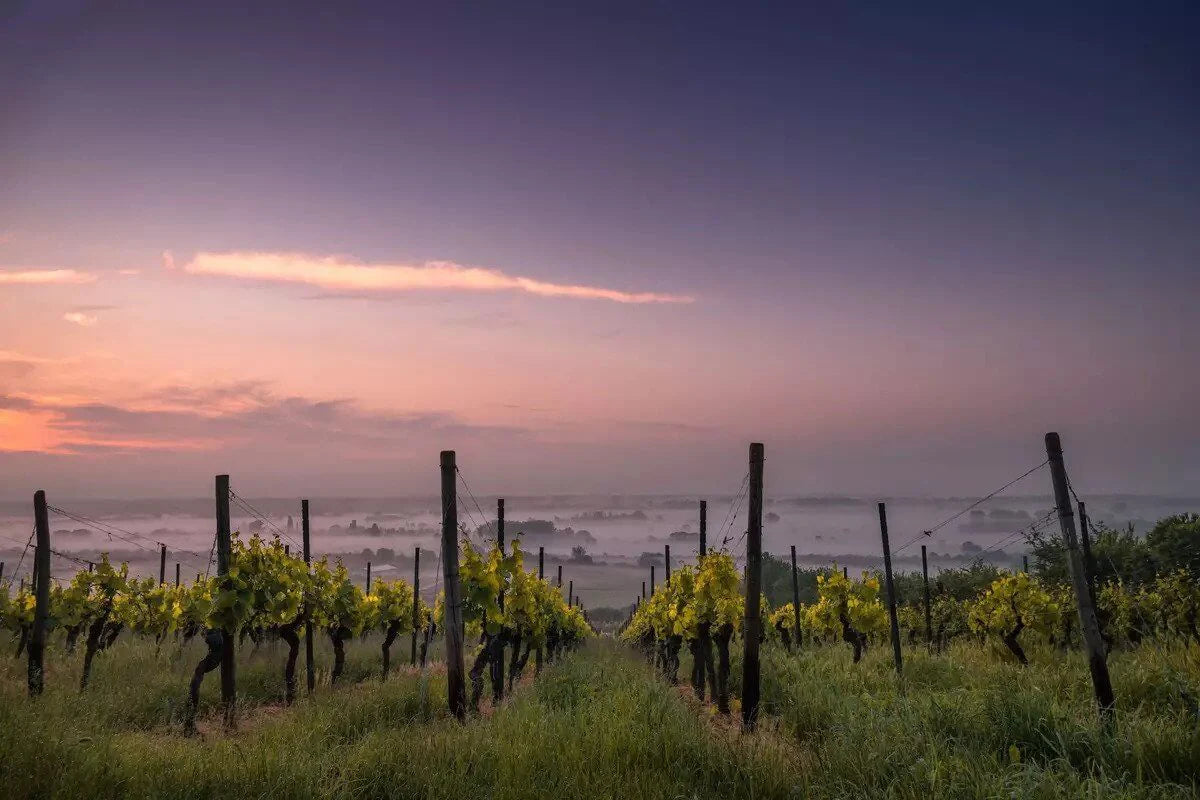
Spain has more land under vine than any country on earth, and for most of the last century the wine world barely noticed. That neglect is your opportunity. While Bordeaux futures climbed and Burgundy went vertical, Spain kept farming ancient bush vines on high, sunburnt plateaus and selling the results for a fraction of what the quality deserves.
Gran reserva Rioja aged a decade before release. Priorat reds pulled off slate so steep the mules earned their keep. Sherries older than your grandfather, priced like Tuesday wine. This is the biggest pool of undervalued wine in Europe, and it isn't close.
The Shape of the Country
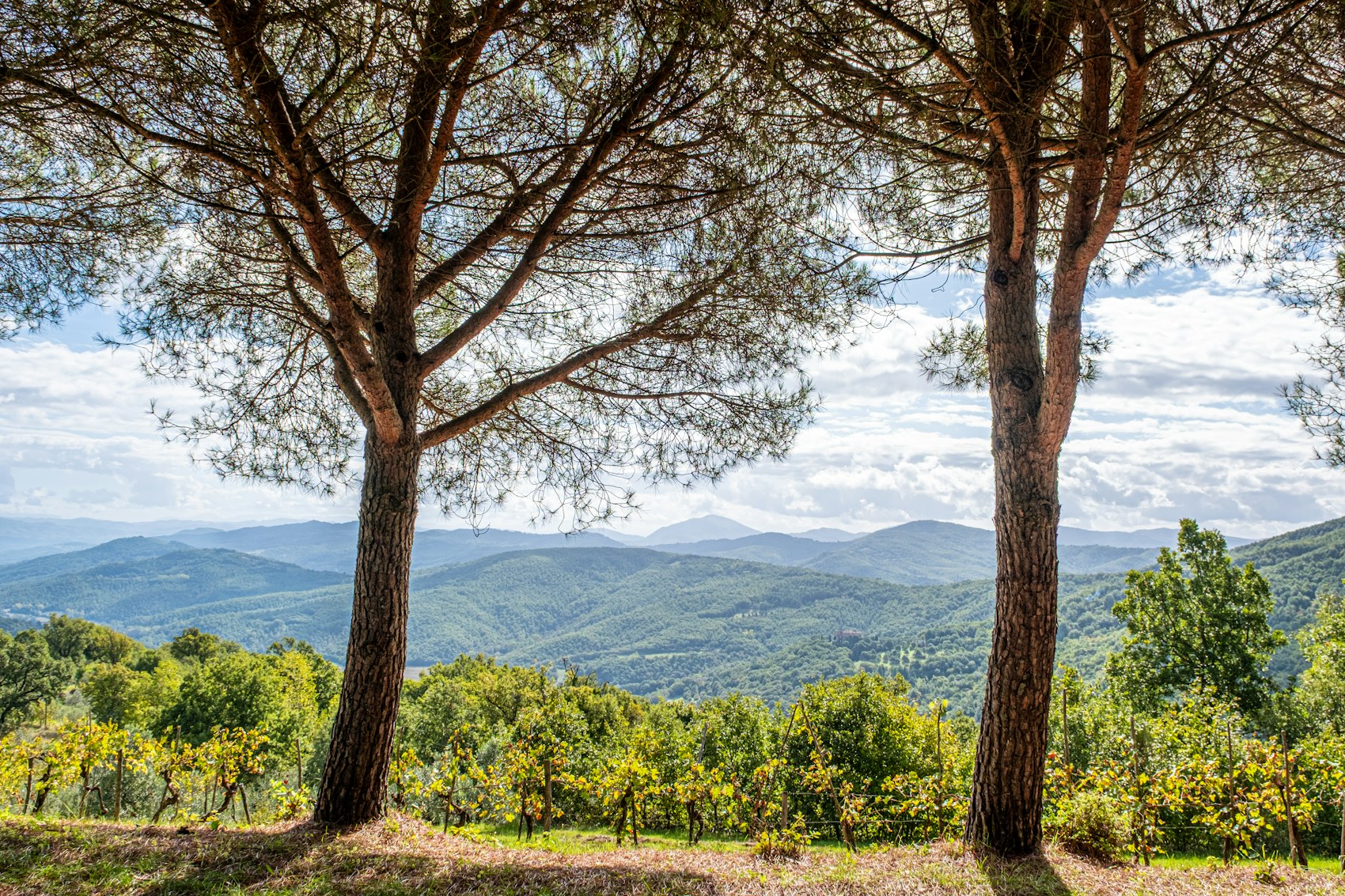
Understand one thing and all of Spanish wine snaps into focus: most of Spain is a high, dry tableland called the meseta, ringed by mountains and cut by rivers. Vineyards commonly sit at 1,500 to 3,000 feet - altitudes that would be exotic in France. Days roast, nights chill. That diurnal swing is the engine of modern Spanish quality: sugar ripeness from sunshine, acidity and aroma preserved by cold nights.
The edges are different worlds. The northwest - "Green Spain" - catches Atlantic storms and looks like Ireland with grapevines. The Mediterranean coast runs warm and herbal. And the far south, Andalucia, is chalk, glare, and ocean wind: the home of sherry, the most misunderstood great wine on the planet.
One more Spanish signature: old vines. Because Spain stayed poor while other regions industrialized, nobody ripped out the low-yielding old bush vines to plant fashionable clones on wires. The country is a living museum of 60-, 80-, and 100-year-old Garnacha, Carinena, and Monastrell - and old vines mean concentration you cannot fake.
Rioja and Ribera del Duero: Tempranillo, Two Ways

Tempranillo is Spain's great red grape ("temprano" means early, because it ripens ahead of the pack), and its two capitals sit a couple of hours apart on the northern meseta.
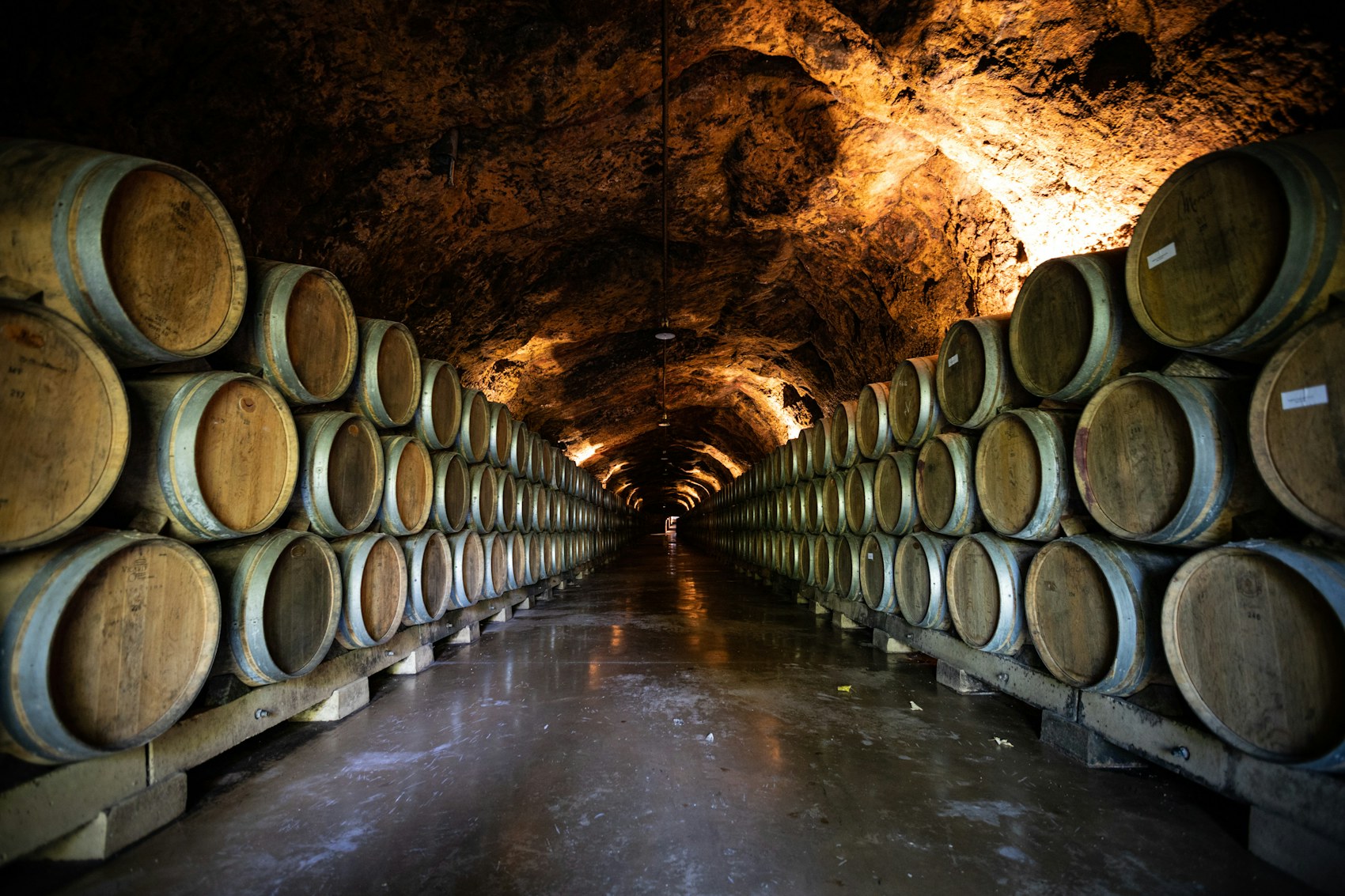
Rioja, sheltered from Atlantic weather by the Sierra de Cantabria, is where Spain invented its aging culture. When phylloxera wrecked Bordeaux in the 1860s, French merchants crossed the Pyrenees, bringing barrels and technique. Bodegas like Marqués de Riscal (1858), CVNE (1879), La Rioja Alta (1890), and López de Heredia (1877) date from that gold rush and still anchor the region. Rioja's label ladder is the most useful cheat code in wine: crianza (about two years' aging, one in oak), reserva (three years, one in oak), gran reserva (five-plus years, two in barrel). The bodega does your cellaring for you, traditionally in American oak that gives Rioja its signature dill-and-vanilla warmth over dried cherry and tobacco. A traditional gran reserva is the closest thing wine offers to a time machine at a sane price.
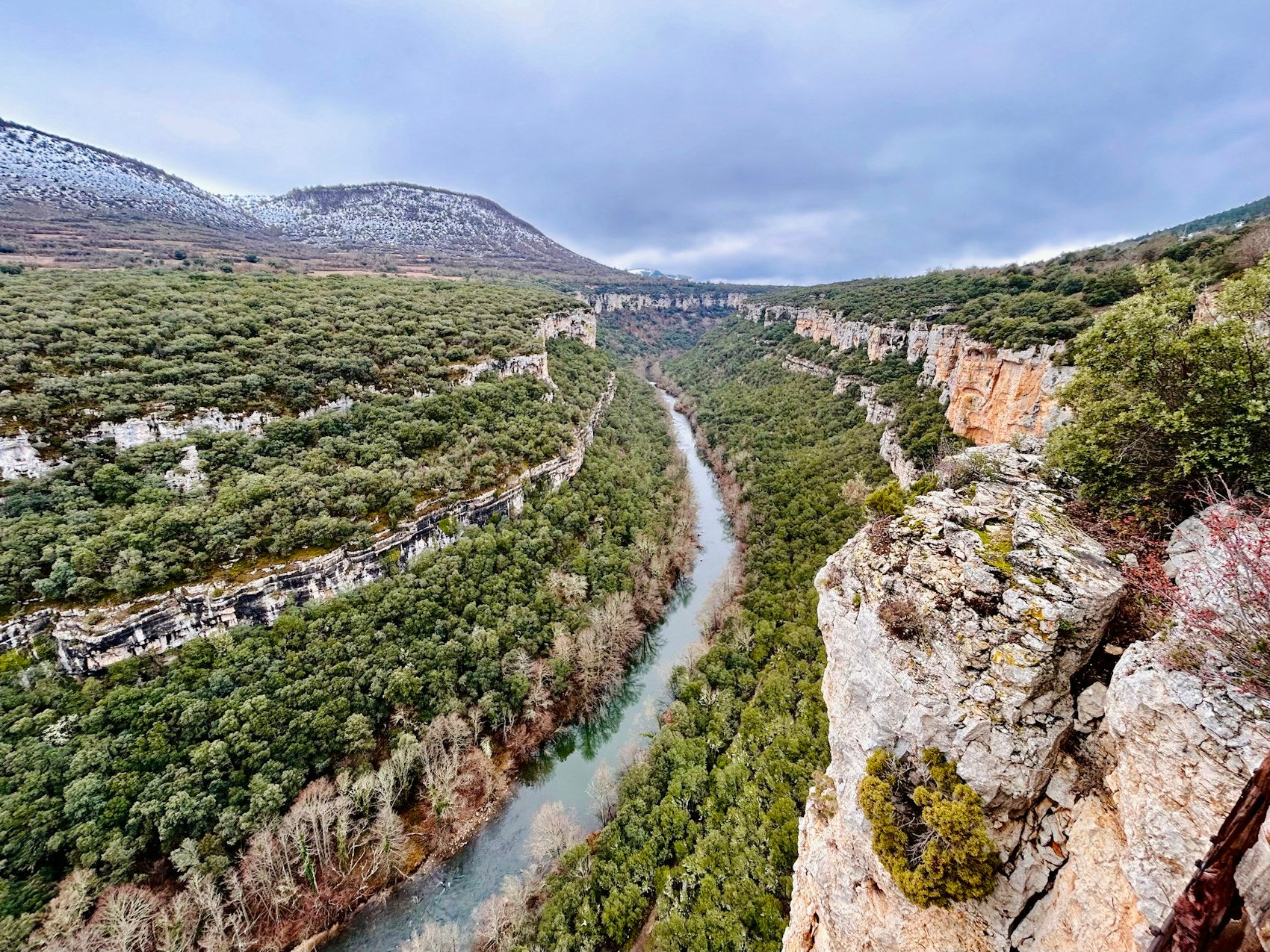
Ribera del Duero is Tempranillo with the safety off. The vineyards ride the Duero river valley at 2,500 to 2,800 feet, some of Europe's highest serious red-wine country, and frost can hit ten months of the year. The reward for that risk is thicker skins, darker fruit, and tannic muscle. This is the home of Vega Sicilia, Spain's most storied estate (its Unico spends about a decade at the winery before release), and of Dominio de Pingus, the modern cult icon. Where Rioja whispers, Ribera declaims.
Priorat: Wine From Broken Slat
Two hours southwest of Barcelona, behind a wall of hills, sits a moonscape of black slate and quartz the locals call llicorella. Vines here don't grow in soil so much as split the rock and dive, roots running twenty feet down hunting for water, and yields are famously tiny, often under a pound of grapes per vine. Carthusian monks planted it in the 12th century (Priorat means priory), and by the 1980s the terraces were nearly abandoned.

Then in 1989 a band of believers, Álvaro Palacios and René Barbier of Clos Mogador among them, bet everything on villages like Gratallops and Porrera, and within a decade Palacios' L'Ermita stood among the most expensive wines in Spain. Old-vine Garnacha and Cariñena deliver something singular: black fruit, crushed-mineral intensity, warm-stone aromatics. Priorat shares Spain's top classification, DOCa, with only one other region, Rioja.
Green Spain: The Atlantic Whites
Up in the misty northwest, Galicia gets more rain than Bordeaux and produces Spain's electric whites. Rias Baixas is Albarino country - sea-spray salinity, white peach, laser acidity - grown on granite, often trained on stone-post pergolas so ocean air can dry the fruit. It is the natural-law pairing for shellfish.
Inland, Valdeorras grows Godello, a grape that does a convincing impression of fine white Burgundy at a third the price, and Ribeira Sacra hangs Mencia vines on canyon walls above the Sil river - reds with alpine freshness and floral lift.
In Basque country, Txakoli adds a light spritz and bracing zip; poured from height into a tumbler, it is the taste of San Sebastian.
The South: Sherry, Andalucia's Chalk-White Miracle

If we could force every wine lover to taste one thing blind, it would be serious sherry. No wine on earth delivers more complexity per dollar, and none is more wrongly filed under "sweet stuff for holidays."
The setting: the far southwest, between Seville and the Atlantic, where three towns, Jerez de la Frontera, Sanlúcar de Barrameda, and El Puerto de Santa María, form the "sherry triangle." The soil, albariza, is blinding-white chalk that drinks winter rain like a sponge and rations it back to the Palomino vines through the scorching summer. The wines start life bone dry and unremarkable. What happens next is unlike anything else in wine.
Fortified lightly and set in old butts filled only five-sixths full, the young wine grows a living veil of native yeast called flor that seals it from air and feeds on it for years, leaving behind a saline, green-almond tang.
Age it under flor, and you get fino (or manzanilla in seaside Sanlucar, where ocean humidity keeps the flor thicker and the wine even more saline). Let the flor die, and oxygen take over, and the wine deepens into amontillado - hazelnut, tobacco, sea air. Fortify past flor from the start, and you get oloroso: walnut, leather, dried orange peel. The unicorn is palo cortado - a wine that started on one path and jumped to the other, prized for combining amontillado's nose with oloroso's body.
Sweetness, when it appears, comes mostly from Pedro Ximenez - PX - grapes sun-dried on mats until nearly raisins, producing a black, syrupy dessert wine (its stronghold is neighboring Montilla-Moriles).

Then there's the solera: rows of barrels holding progressively older blends. Bottling draws only a fraction from the oldest row, refreshed from the row above, and so on, so every bottle contains traces of wine laid down generations ago, and the house style never wavers. It's fractional blending as cultural inheritance.
Names to know: Lustau, González Byass (Tío Pepe), Barbadillo, Hidalgo (La Gitana), and the cult bottler Equipo Navazos. A chilled fino with jamón, fried fish, or olives is one of the great food-and-wine locks in existence, and dry sherry of real age still sells for less than basic village Burgundy. That won't last forever.
The Rest of the Map, Fast
Cava (mostly Penedes, near Barcelona) is traditional-method sparkling - same technique as Champagne - from Xarel-lo, Macabeo, and Parellada; top aged examples embarrass bottles at twice the price.
Rueda does grassy, citrusy Verdejo, Spain's answer to Sauvignon Blanc.
Old-vine Garnacha from Aragon's high country (Calatayud, Campo de Borja) may be the best sub-$20 red value in Europe.
Jumilla ripens Monastrell (France's Mourvèdre) into plush, dark, sun-soaked reds.
And out in the Atlantic, the Canary Islands grow ungrafted vines in volcanic ash pits - smoky, saline reds from another century.
The Grapes, In One Breath
Reds: Tempranillo (alias Tinto Fino, Tinta del País - dried cherry, leather, structure), Garnacha (strawberry warmth and spice), Carinena (acid and iron backbone), Monastrell (dark, meaty, sunny), Mencia (floral, alpine), Bobal (the value sleeper). Whites: Albarino (saline peach), Verdejo (grassy citrus), Godello (creamy mineral), Viura (Rioja's ager), and the sherry pair - neutral Palomino transformed by flor, and Pedro Ximenez turned to black silk by the sun.
How to Buy Spain Like You Mean It
Let the bodega age your wine: gran reserva Rioja routinely delivers 10-year-old, fully mature drinking for the price of a young Napa Cabernet. Chase altitude in Garnacha and old vines in everything. Treat Godello as your Burgundy substitute and Albarino as your oyster wine.
And keep a bottle of fino or manzanilla in the fridge, drunk fresh like white wine - it will quietly out-perform half your cellar at the dinner table.

Quick Answers: Spain Wine
What wine is Spain most famous for?
Tempranillo-based reds from Rioja and Ribera del Duero lead, followed by Albarino whites from Rias Baixas, cava sparkling from Penedes, and sherry from Jerez. Spain has more land under vine than any country on earth and over 600 native grape varieties.
What is the difference between crianza, reserva and gran reserva Rioja?
They are legal aging tiers, not quality grades: crianza ages about two years (one in oak), reserva three years, and gran reserva five or more with at least two in barrel - so the bodega cellars the wine for you and releases it ready to drink.
Is sherry sweet or dry?
Most serious sherry is bone dry. Fino and manzanilla are pale, saline and crisp; amontillado and oloroso are nutty and richer but still dry. Sweetness comes mainly from Pedro Ximenez, the sun-dried grape used in dessert styles. Dry sherry with jamon or olives is a classic pairing.
Why are Spanish wines such good value?
Spain modernized late, so it kept huge plantings of low-yield old bush vines and never fully repriced them. Gran reserva Rioja, high-altitude Garnacha and aged sherry routinely deliver quality that Bordeaux, Burgundy or Napa price two to three times higher.
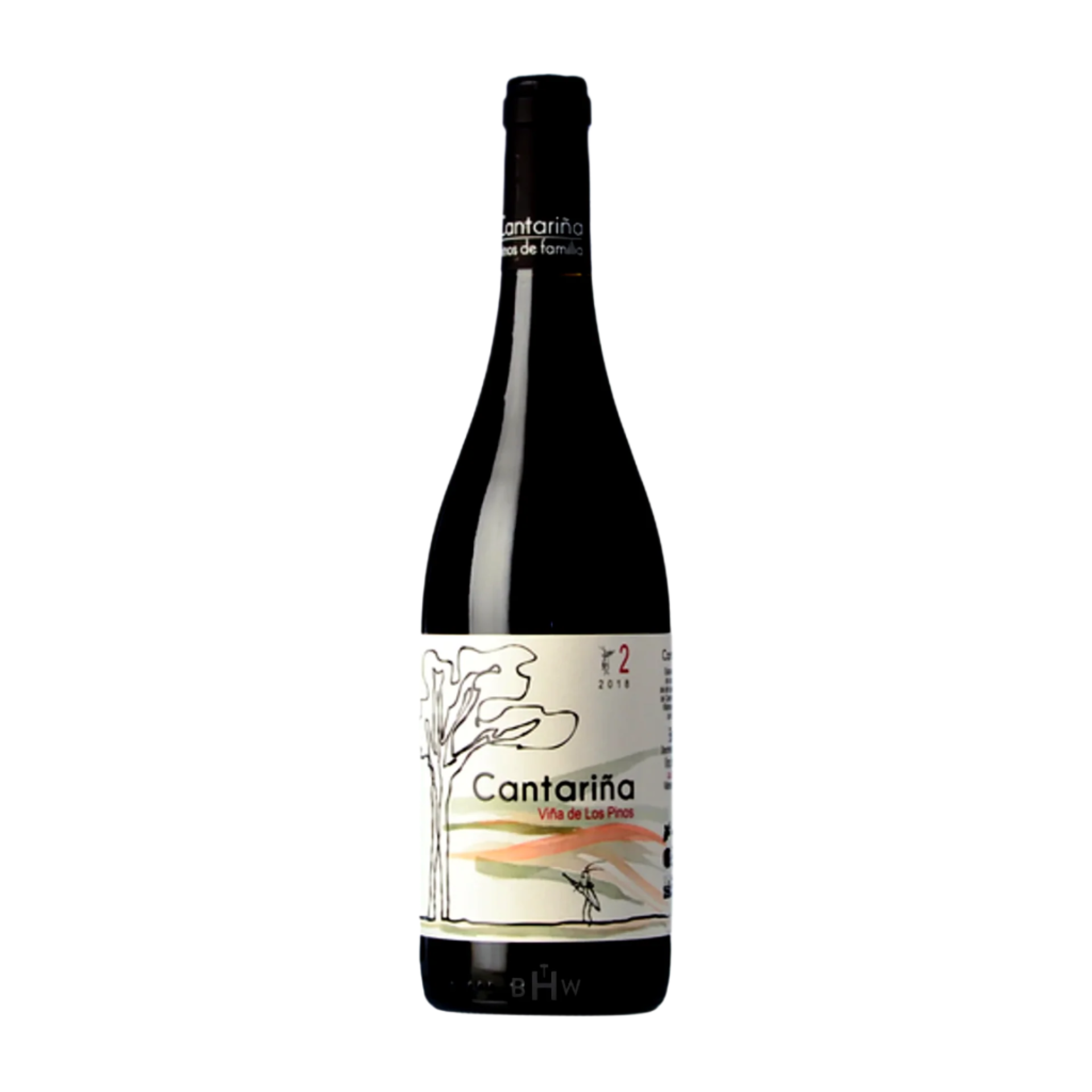
Ready to explore? Our Spain collection carries our current selection. And if you are hunting a specific bottle from the region, contact us for a quote - we source wine globally, with a 12-bottle minimum on special orders.





Shop Our Spain Collection
SHOP COLLECTIONShare:
Austrian Wine: Gruner, Riesling and the Alpine Edge
Austrian Wine: Gruner, Riesling and the Alpine Edge
Comments Section