

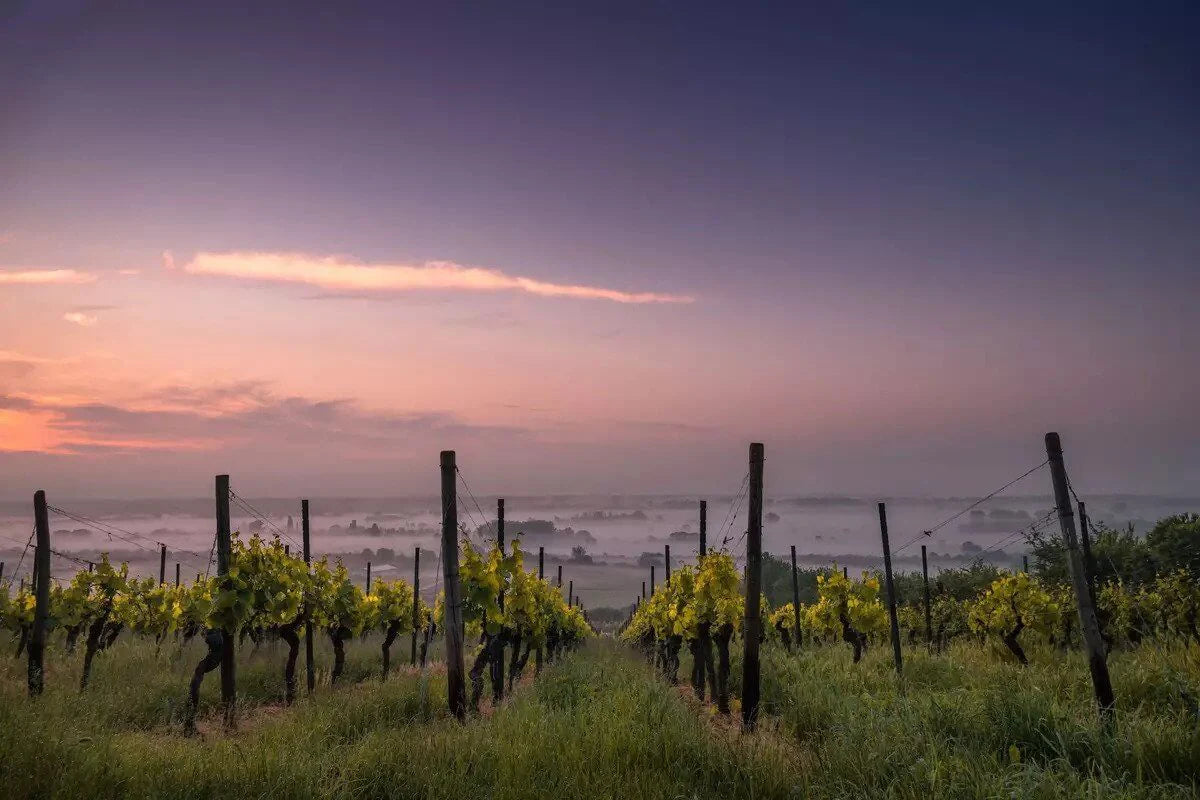
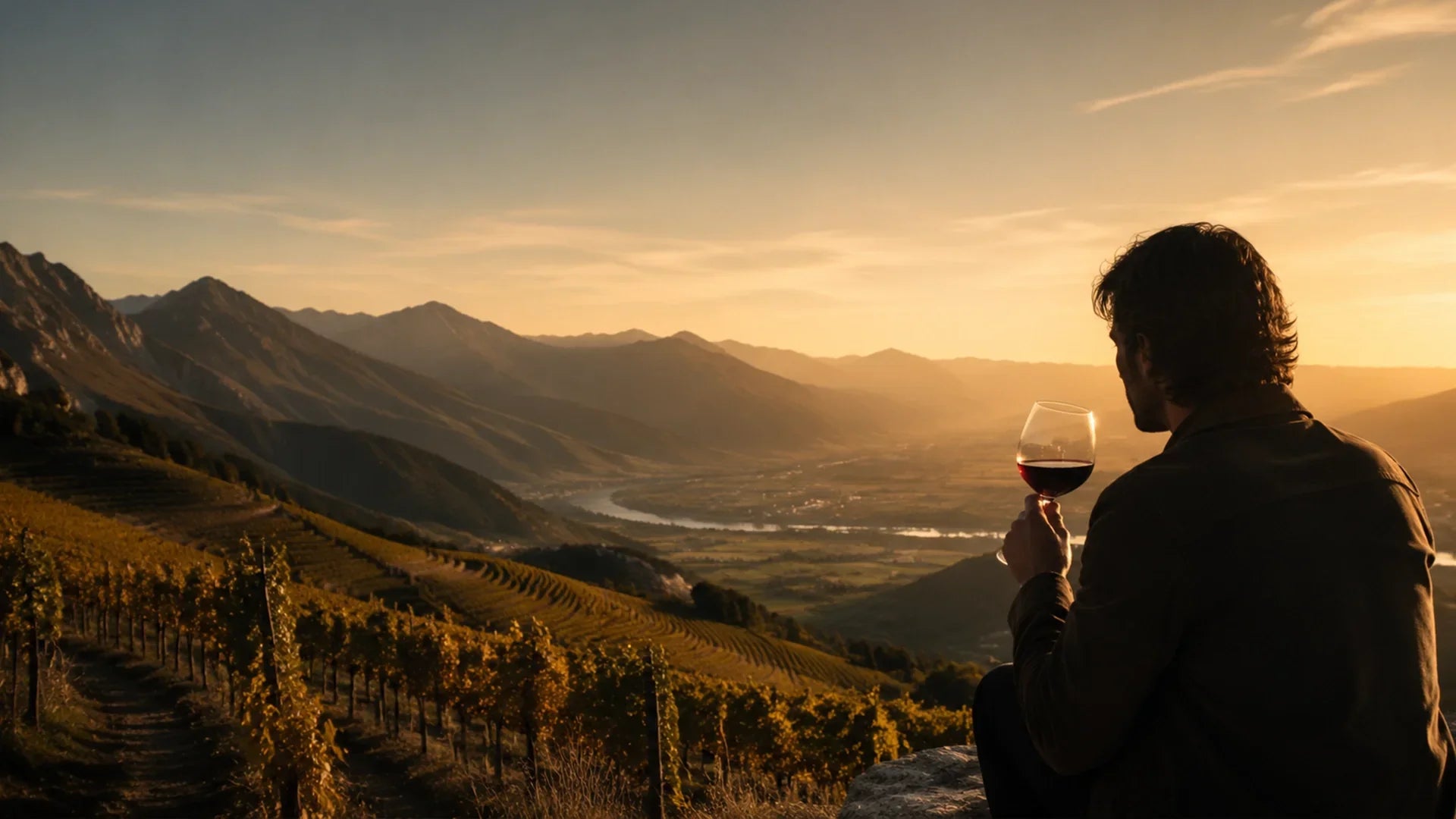
Stand on the terraces above the Danube in the Wachau, and you're looking at a thousand years of stubbornness: dry-stone walls stacked by hand, generation after generation, to hold a few feet of rocky soil onto slopes too steep for machines. Everything up here is done on foot, in heat that bounces off the river like a mirror and cold alpine air that pours down the side valleys at night.
Out of that tension, warm Pannonian east meeting cool Alpine west, comes one of the most distinctive white-wine cultures anywhere, built around a grape almost nobody else grows well: Grüner Veltliner. Austria isn't a detour for the curious. It's one of the world's great wine countries operating at a permanent discount.
The Comeback That Built the World's Strictest Wine Law
Modern Austrian wine has a scar it turned into a badge. In 1985, inspectors caught bulk-wine brokers adulterating cheap sweet wine with diethylene glycol, and Austria's export market evaporated overnight. The response defines the country to this day.
Parliament passed one of the strictest wine laws anywhere, yields were slashed, the bulk shippers collapsed, and a generation of young growers rebuilt the industry from the vineyard up around dry, terroir-driven quality. Four decades on, the scandal's legacy is that an Austrian label is one of the safest quality bets in the shop. Trust earned the hard way holds.
Gruner Veltliner: The Flagship
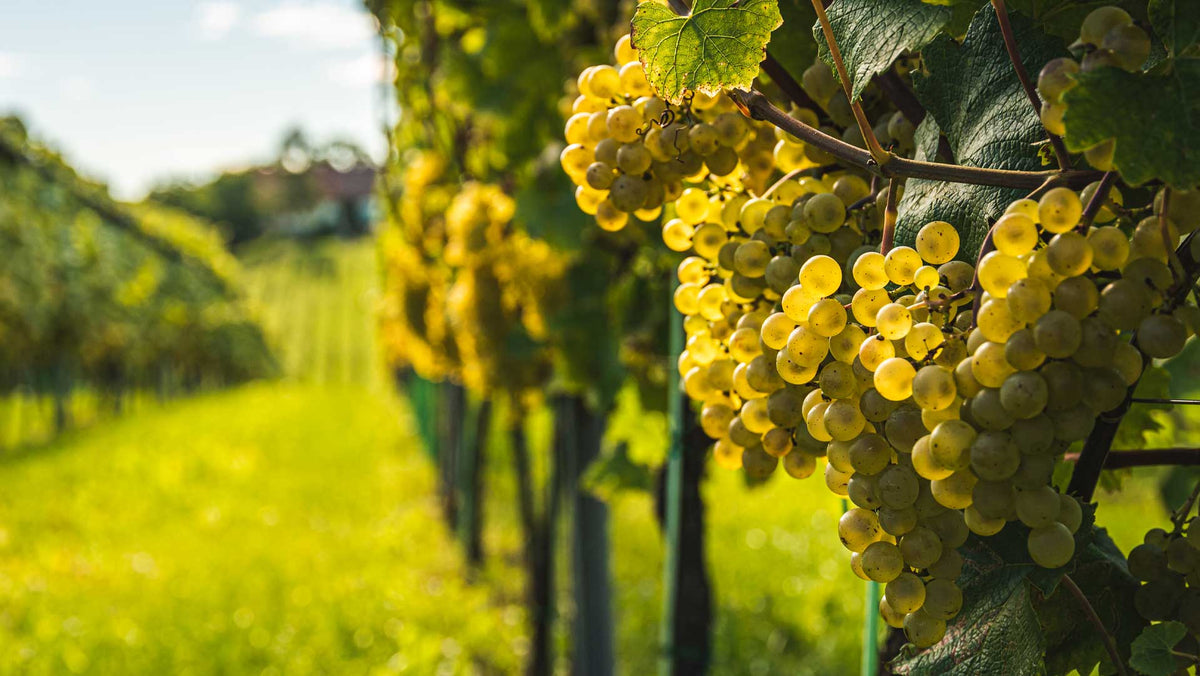
Austria's calling card covers nearly a third of its vineyards and tastes like nowhere else: white pepper, lentil, green apple, a rumor of radish, and with ripeness, a honeyed depth. Its party trick is food. Grüner handles the dishes that murder other wines: asparagus, artichokes, vinaigrettes, schnitzel, Asian spice, and its range runs from chuggable liter-bottle freshness to grand-cru-scale wines that age for decades.
That last claim was settled in public. In a famous 2002 London blind tasting, top Grüners went head-to-head with grand cru white Burgundies in front of masters of wine, and took the top spots. The trade never looked at the grape the same way again.
The Wachau: Terraces Above the Danube

The Wachau is the postcard: a narrow, UNESCO-listed gorge where vines cling to primary-rock terraces - gneiss and granite - between apricot orchards and ruined castles. Its producers grade dry whites by natural ripeness on a three-step ladder worth memorizing, named with typical Wachau poetry: Steinfeder (a feathery grass - the lightest, up to 11.5 percent alcohol), Federspiel (a falconry term - the taut, midweight sweet spot), and Smaragd (the emerald lizard that suns itself on the stone walls - powerful, dry, built for ten to twenty years).
Riesling from these terraces, stony, peach-skinned, precise, stands with Germany's best while tasting nothing like them. The reference producers read like a psalm: Emmerich Knoll (the baroque saint on the label), F.X. Pichler, Prager, Franz Hirtzberger, Rudi Pichler, Alzinger.
Kamptal and Kremstal: The Smart Money

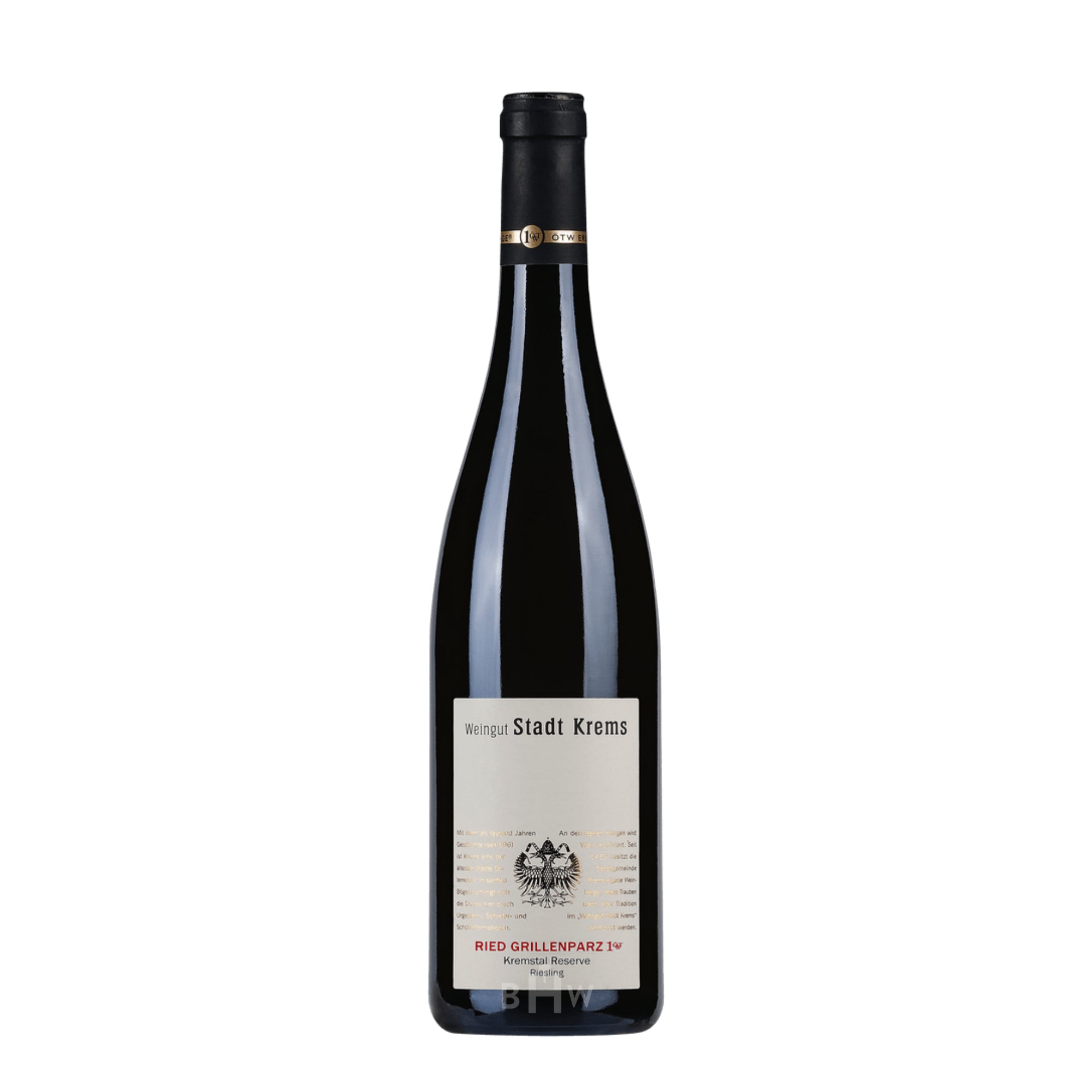
Just east, where the gorge relaxes into rolling hills, the Kamptal and Kremstal deliver much of the Wachau's quality at a lower price, the best value seam in Austrian wine. The Kamptal's crown is the Heiligenstein, a freak outcrop of 250-million-year-old desert sandstone rising above Zöbing, whose Riesling is among Austria's longest-lived. Bründlmayer and Hirsch farm it famously. Kremstal wraps the old stone town of Krems, where terraced riedens climb straight out of the streets. The Grillenparz and Wachtberg vineyards of Weingut Stadt Krems, the city's own winery of more than 550 years, look down on the rooftops they've supplied since the Middle Ages.

Burgenland: Austria Turns Red (and Golden)
South and east of Vienna, the Alps give up, and the warm Pannonian plain takes over - and Austria changes color. Blaufrankisch is the grape: dark cherry, iron, black pepper, and an acid line that has sommeliers filing it between cru Beaujolais and Northern Rhône Syrah. From the iron-rich hills of Eisenberg and the limestone of Leithaberg, producers like Moric have pushed it onto the world's serious-red shelf while prices stayed provincial. Zweigelt, its easygoing sibling, is the cherry-fruited weeknight pour of the nation.
Burgenland's second miracle is golden. The vast, reed-ringed Neusiedlersee is barely six feet deep, and it throws off autumn mists so reliably that botrytis, the noble rot Sauternes prays for, shows up almost every single year.
Around the lake town of Rust, they've made Ausbruch sweet wines since the 1600s. On the eastern shore, the late Alois Kracher built a global cult with numbered Trockenbeerenauslese collections that stand beside Yquem at a fraction of the price. Few places on earth make sweet wine this dependably.
Reading the Label

Austria's DAC system works like France's appellations. A region name plus DAC (Kamptal DAC, Eisenberg DAC) guarantees the region's signature grape and style, usually in a regional-village-single-vineyard pyramid.
The word Ried before a vineyard name flags an official single site, Austria's answer to premier cru, and the growers' classification of Erste Lage and Grosse Lage sites is steadily mapping the country's grand-cru terrain. Shorthand for the shop floor: Federspiel or a village Grüner for Tuesday, Smaragd or a Ried bottling for the cellar, Blaufränkisch for the somm flex, Kracher for dessert immortality.
Buying Austria Smart
Start with Federspiel-weight Grüner in the twenty-dollar range, one of the most reliable food whites you can buy. Step up to Smaragd or Heiligenstein Riesling when you want a white that ages like serious Burgundy without the Burgundy invoice.
Give Blaufrankisch the decanter and the lamb. And keep one half-bottle of Burgenland botrytis in the door of the fridge for the night that ends better than expected.
Quick Answers: Austria Wine
What is Gruner Veltliner supposed to taste like?
White pepper, green apple, lentil, and citrus with a fresh, dry finish. Light and zippy in everyday bottlings, powerful and age-worthy from top sites. It's also one of the most food-versatile whites there is, handling asparagus, schnitzel, and spice with ease.
What do Steinfeder, Federspiel and Smaragd mean on Wachau labels?
They're the Wachau's ripeness tiers for dry whites. Steinfeder is the lightest, Federspiel the taut mid-weight, and Smaragd, named for the emerald lizard that suns on the stone terraces, the ripest and most powerful, built to age ten to twenty years.
Is Austrian wine sweet?
Almost all of it is dry. The national style is precise, dry white wine. The exception is deliberate: around Lake Neusiedl, reliable botrytis produces some of the world's great sweet wines, including Ruster Ausbruch and Trockenbeerenauslese.
What is Blaufränkisch?
Austria's signature red: dark cherry, pepper and an iron-mineral edge with fresh acidity - stylistically between cru Beaujolais and Northern Rhône Syrah. From Burgenland's best sites, it ages beautifully and remains underpriced for its quality.
Ready to explore? Our Austria collection carries our current selection. And if you are hunting a specific bottle from the region, contact us for a quote - we source wine globally, with a 12-bottle minimum on special orders.


Shop Our Austria Collection
SHOP COLLECTIONShare:
Spanish Wine: Old Vines, New Energy, and the Best Value in Europe
Spanish Wine: Old Vines, New Energy, and the Best Value in Europe
Comments Section