

If wine has a homeland, Lebanon has a claim on it. The Phoenicians were shipping wine out of this coastline three thousand years ago - they are the reason vines reached much of the Mediterranean in the first place. And yet Lebanese wine today is one of the least-known great categories in the world: a small, defiant, high-altitude scene that has kept making serious wine through every hardship the region could throw at it. Here's the story, the valley, and the bottles.
The Bekaa Valley
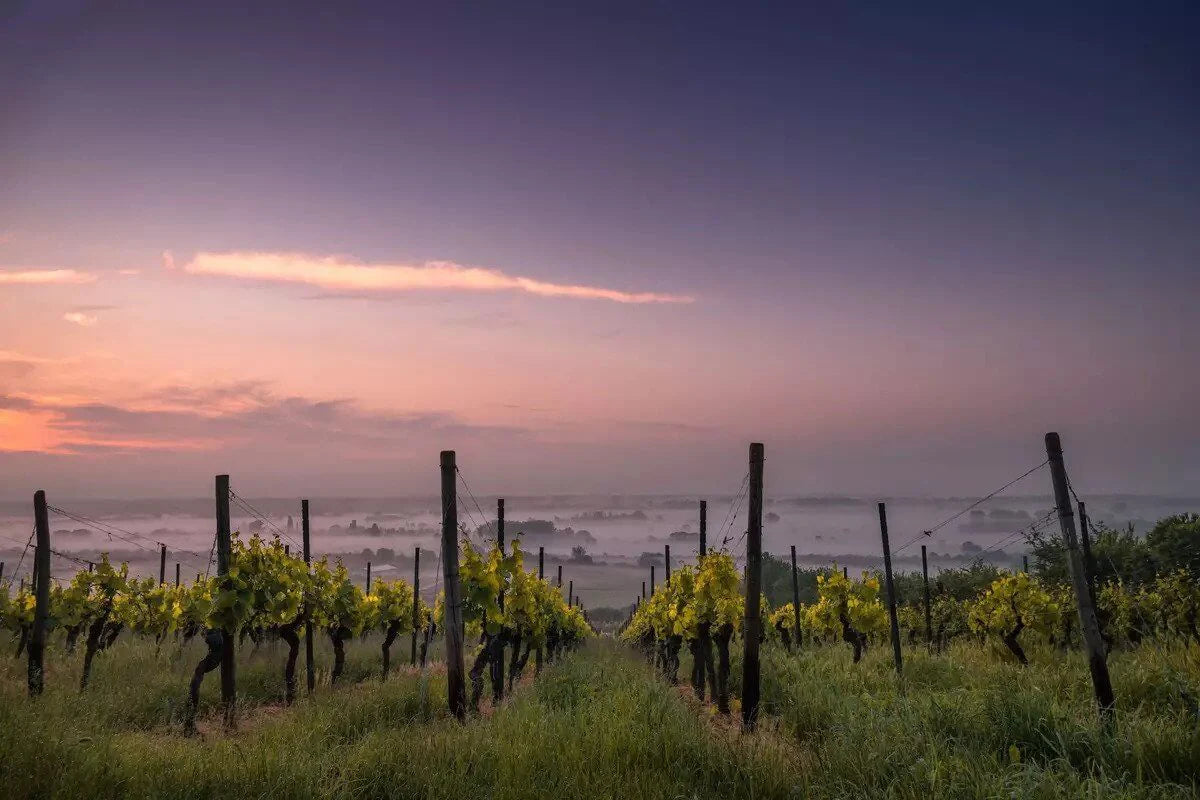
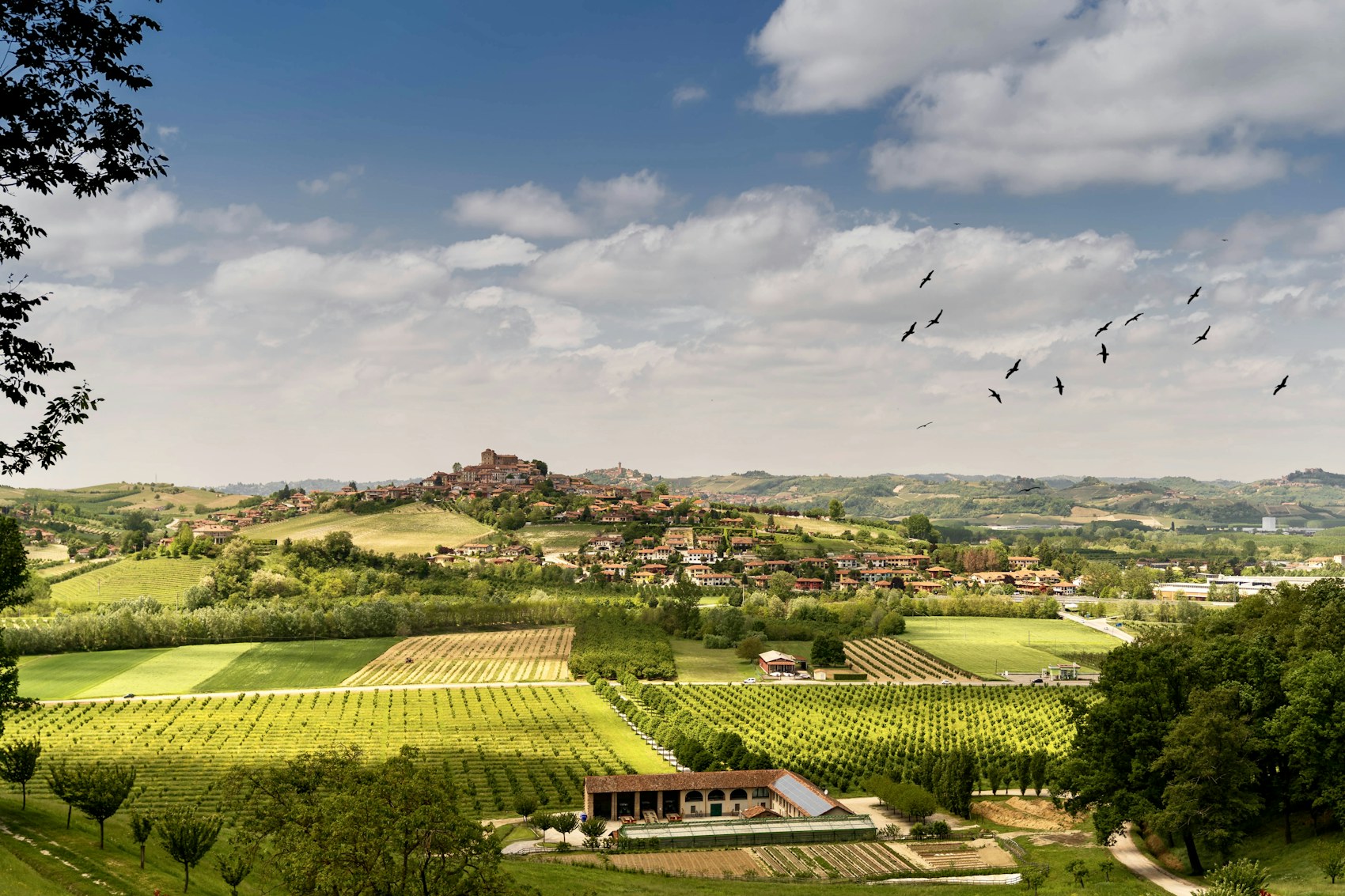
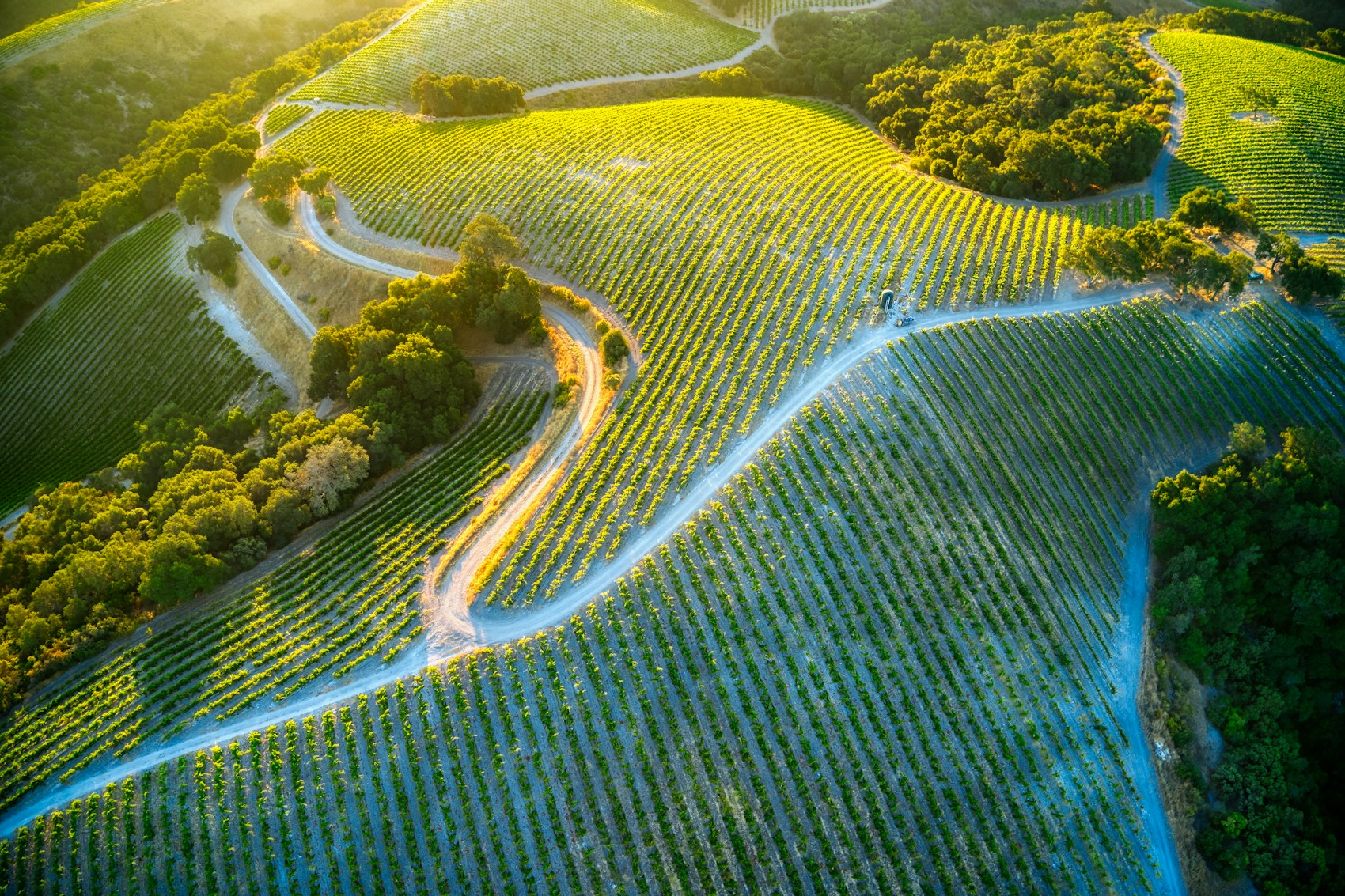
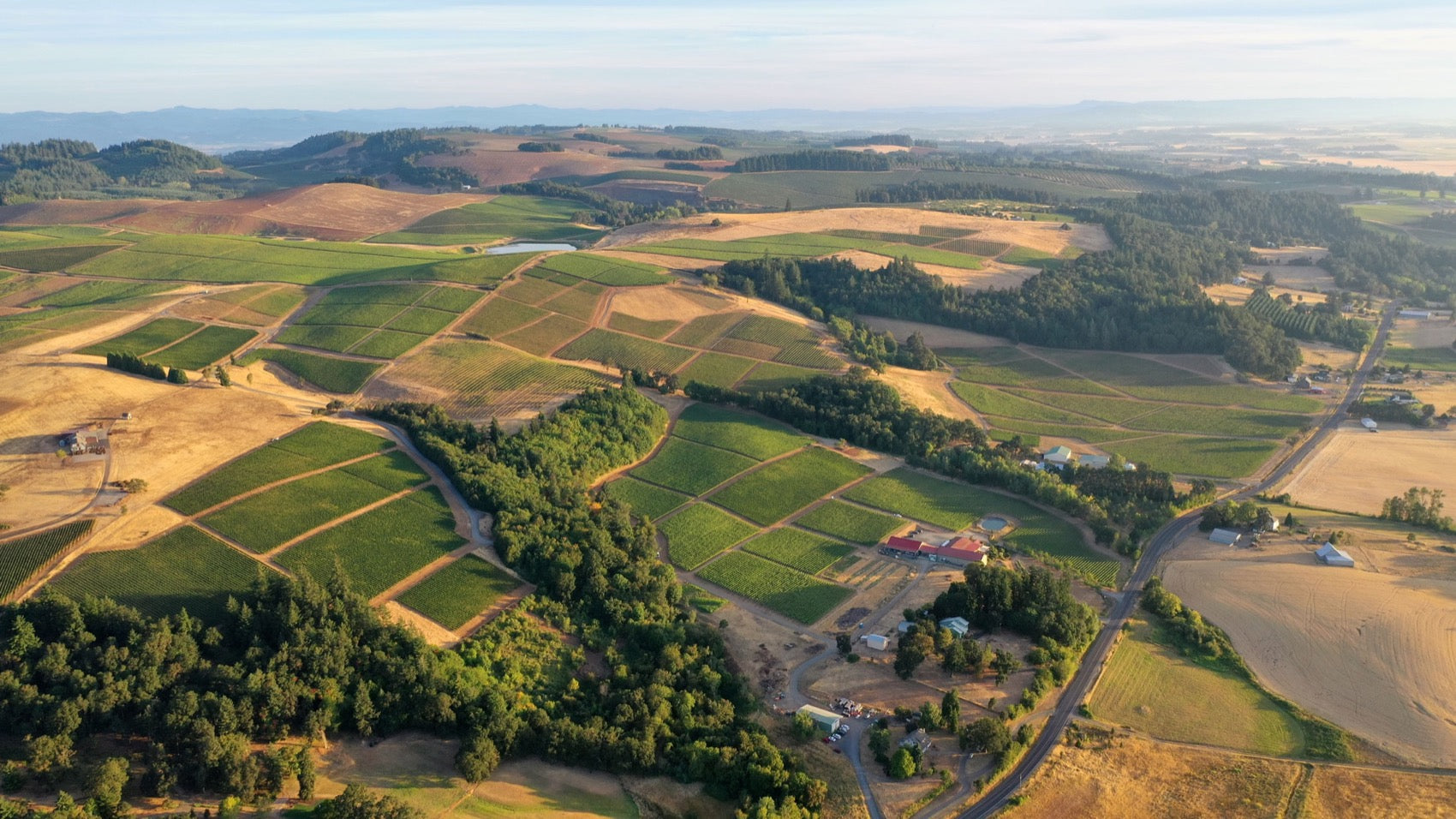
Nearly all of Lebanon's wine comes from the Bekaa Valley, a high plateau between two mountain ranges at roughly 1,000 meters elevation. The altitude is the secret: days are hot and dry, nights are cool, and the grapes keep their acidity while ripening fully. The backbone plantings are old-vine Cinsault, Carignan and Grenache - France left its fingerprints here during the mandate years - alongside Cabernet Sauvignon and Syrah. And Lebanon has native whites the rest of the world is only starting to discover: Obaideh and Merwah, ancient mountain grapes that make golden, long-lived wines.
Chateau Ksara: The 1857 Original
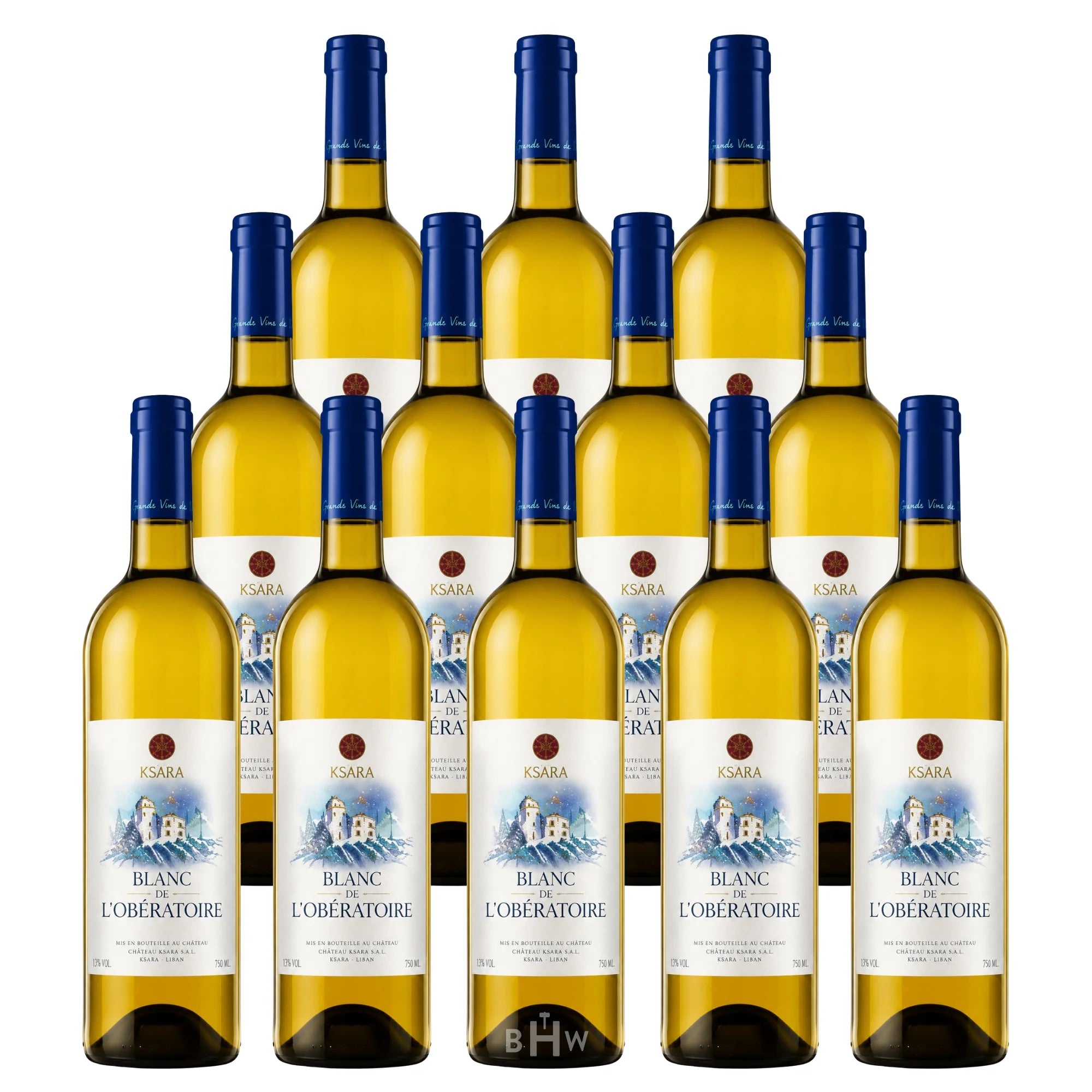
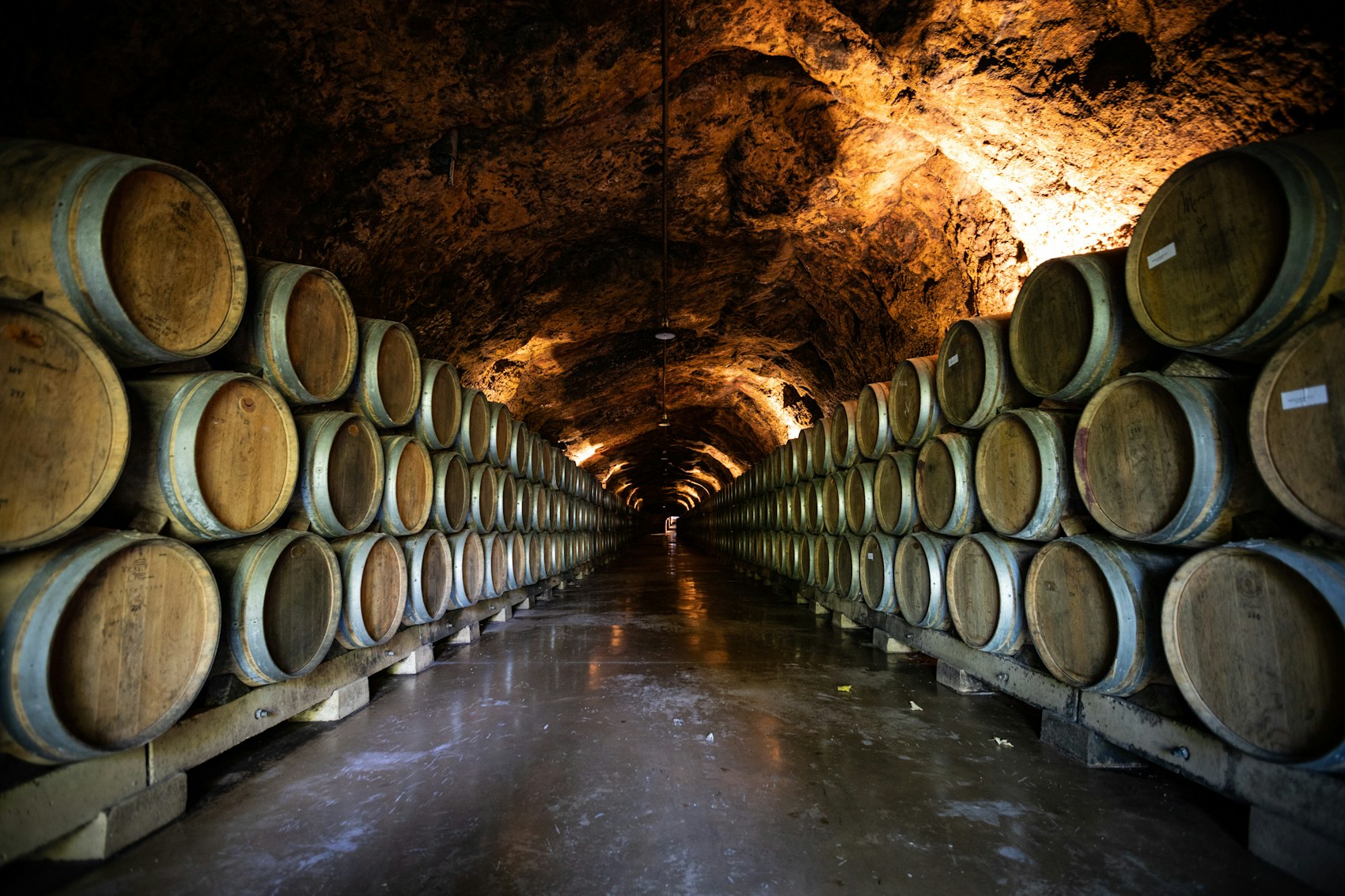
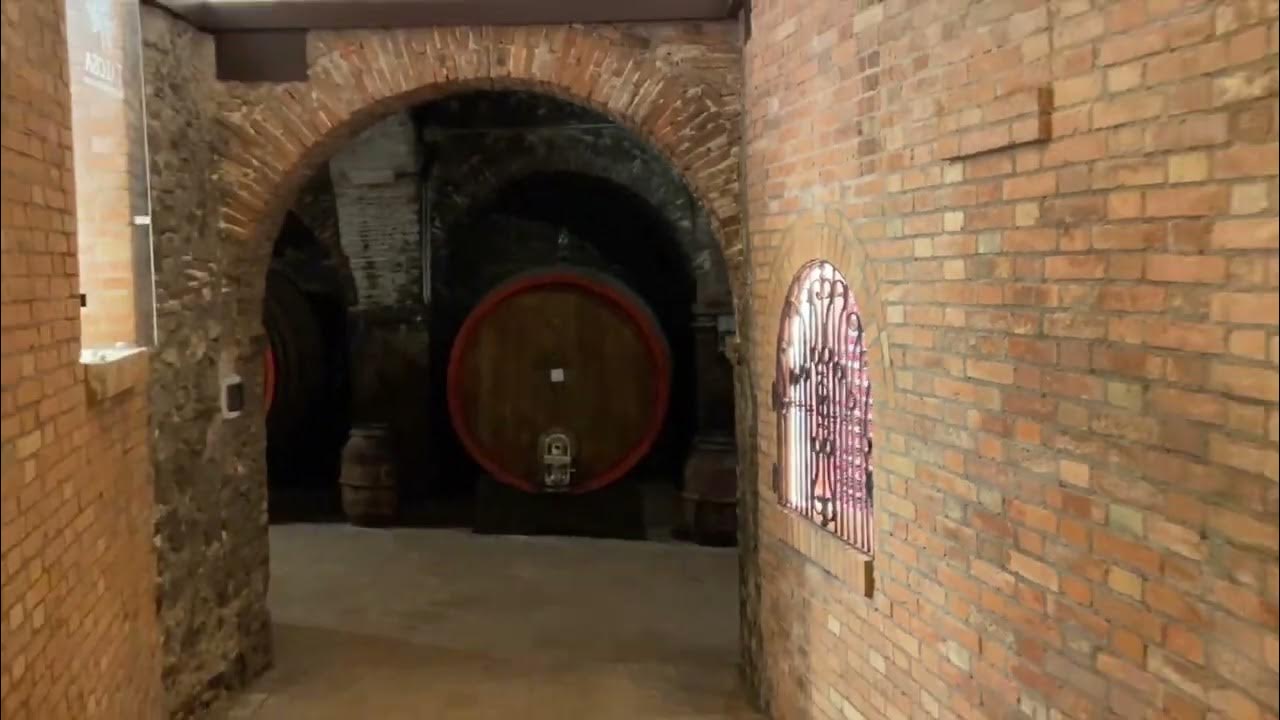
Lebanon's oldest working winery was founded by Jesuit priests in 1857, and its cellars are the stuff of legend: two kilometers of Roman-era caves beneath the winery, rediscovered and extended by the monks, holding bottles at a perfect natural temperature for over a century and a half. Ksara remains the country's benchmark house - we've poured its crisp Blanc de l'Observatoire and its Cuvee Speciale Cabernet, both from the heart of the Bekaa.
Chateau Musar: The Legend
No Lebanese winery - few wineries anywhere - carry a story like Musar's. Founded in 1930 by Gaston Hochar, it became world-famous under his son Serge, who made wine through fifteen years of civil war, trucking grapes across active front lines from the Bekaa to the winery. In all those years Musar failed to produce a vintage only twice. Decanter named Serge Hochar its first-ever Man of the Year in 1984, and the wines themselves are unmistakable: Cinsault-led reds that drink like aged Bordeaux crossed with something wilder, released only when the estate decides they're ready. We've had the privilege of offering the 2008 Chateau Musar - a bottle that converts skeptics of the entire category in one pour.
The New Generation
Around the classics, a newer wave - including boutique estates like Chateau Belle-Vue on Mount Lebanon, whose Petit Geste white we've poured - is pushing quality higher and exports further. Production stays tiny; Lebanon makes in a year what some California brands bottle in a week. That scarcity is exactly why the wines reward the hunt.
Finding Lebanese Wine
Allocations are small and irregular - when one clears our 90+ bar, it lands on our Lebanon collection page. If you're hunting a specific Lebanese bottle - Musar above all - contact us today and we'll provide a quote. Special-order wines have a 12-bottle minimum.
Quick Answers: Lebanon Wine
Where is wine made in Lebanon?
Mostly in the Bekaa Valley - a high plateau between two mountain ranges at around 3,000 feet, where altitude cools intense Mediterranean sun. Vines have grown here for some seven thousand years, since Phoenician times.
What is Chateau Musar?
Lebanon's most famous winery - a Bordeaux-inspired estate whose long-aged, earthy, utterly individual reds kept producing through civil war and became a global cult. Its story put modern Lebanese wine on the world map.
What grapes grow in Lebanon?
French varieties dominate - Cabernet Sauvignon, Cinsault, Carignan, Grenache and Syrah for reds - alongside the native white grapes Obaideh and Merwah, relatives of the Chardonnay family that make fresh, saline mountain whites.
What does Lebanese red wine taste like?
Sun-ripened dark fruit layered with spice, leather, dried herbs and a distinctive earthy warmth - Old World structure with Eastern Mediterranean generosity, usually ready to drink sooner than Bordeaux but capable of long aging.















Share:
Greek Wine: 4,000 Years Old and Suddenly New Again
Japanese Sake: The Four Words on the Label That Tell You Everything
Comments Section