

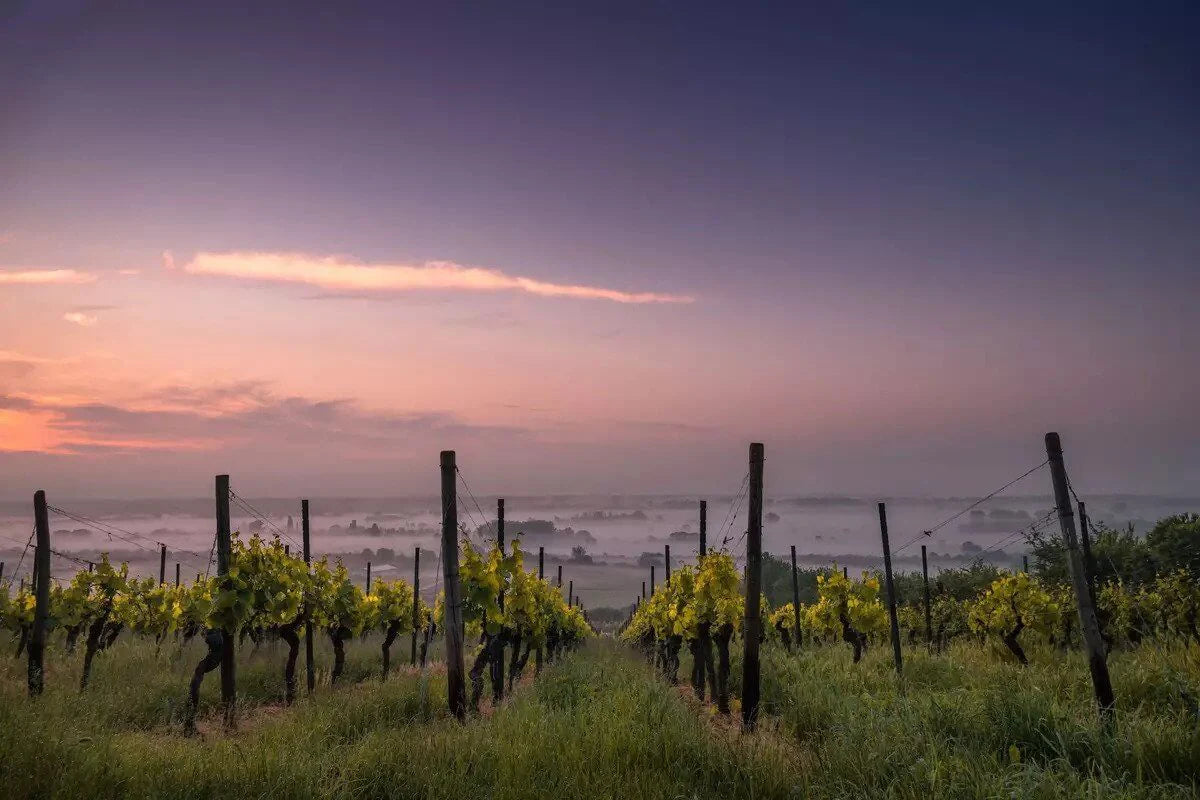

Montepulciano is both a red grape variety and a hilltop town in Tuscany — and the two have almost nothing in common. Montepulciano d'Abruzzo is made from the Montepulciano grape in the Abruzzo region.
Vino Nobile di Montepulciano is made from Sangiovese in the Tuscan town of Montepulciano. Same word. Different grape. Different region. Completely different wine.
Key Takeaways
- Montepulciano is the name of both a red grape variety and a town in Tuscany — they share a name but little else.
- Montepulciano d'Abruzzo is made from the Montepulciano grape, grown in Abruzzo (central-east Italy) — a bold, dark, fruit-forward red.
- Vino Nobile di Montepulciano is made from Sangiovese (locally called Prugnolo Gentile) in the town of Montepulciano, Tuscany — a more structured, elegant wine.
- Despite its name, the Montepulciano grape is not grown in the town of Montepulciano and is Italy's second most widely planted red variety after Sangiovese.
- Montepulciano d'Abruzzo tends to be more affordable and fruit-forward; Vino Nobile is more structured, complex, and age-worthy.
Why the Confusion Exists
Italian wine has a talent for being beautifully complicated. Few examples of this are as frustrating — or as satisfying to finally understand — as the word "Montepulciano."
Here's the problem: Montepulciano is the name of a red grape variety native to central Italy. It is also the name of a medieval hilltop town in southern Tuscany. The two are not the same thing, and the wines they produce couldn't be more different. As a Certified Italian Wine Ambassador, I've explained this distinction more times than I can count — and once you get it, it sticks for life.
Let's break it down cleanly so you never order the wrong bottle again.
Montepulciano the Grape: What You Need to Know

The Montepulciano grape is a thick-skinned, deeply pigmented red variety. After Sangiovese, it is Italy's most widely dispersed indigenous grape, permitted in 20 of Italy's provinces and grown throughout Abruzzo, Le Marche, Molise, Puglia, Umbria, and Lazio.
Key characteristics of the grape:
- Deep inky purple-ruby color, even in young wines
- Bold flavors of dark plum, blackberry, black cherry, and black pepper
- Moderate-to-firm tannins with moderate acidity
- Ranges from easy-drinking everyday red to complex, age-worthy Riserva
Despite the name, the Montepulciano grape does not grow in the town of Montepulciano and is genetically unrelated to Sangiovese — a fact confirmed by DNA profiling. Its true origins are most likely in Abruzzo, possibly in the area of Torre de' Passeri.
Montepulciano the Town: A Different Story Entirely
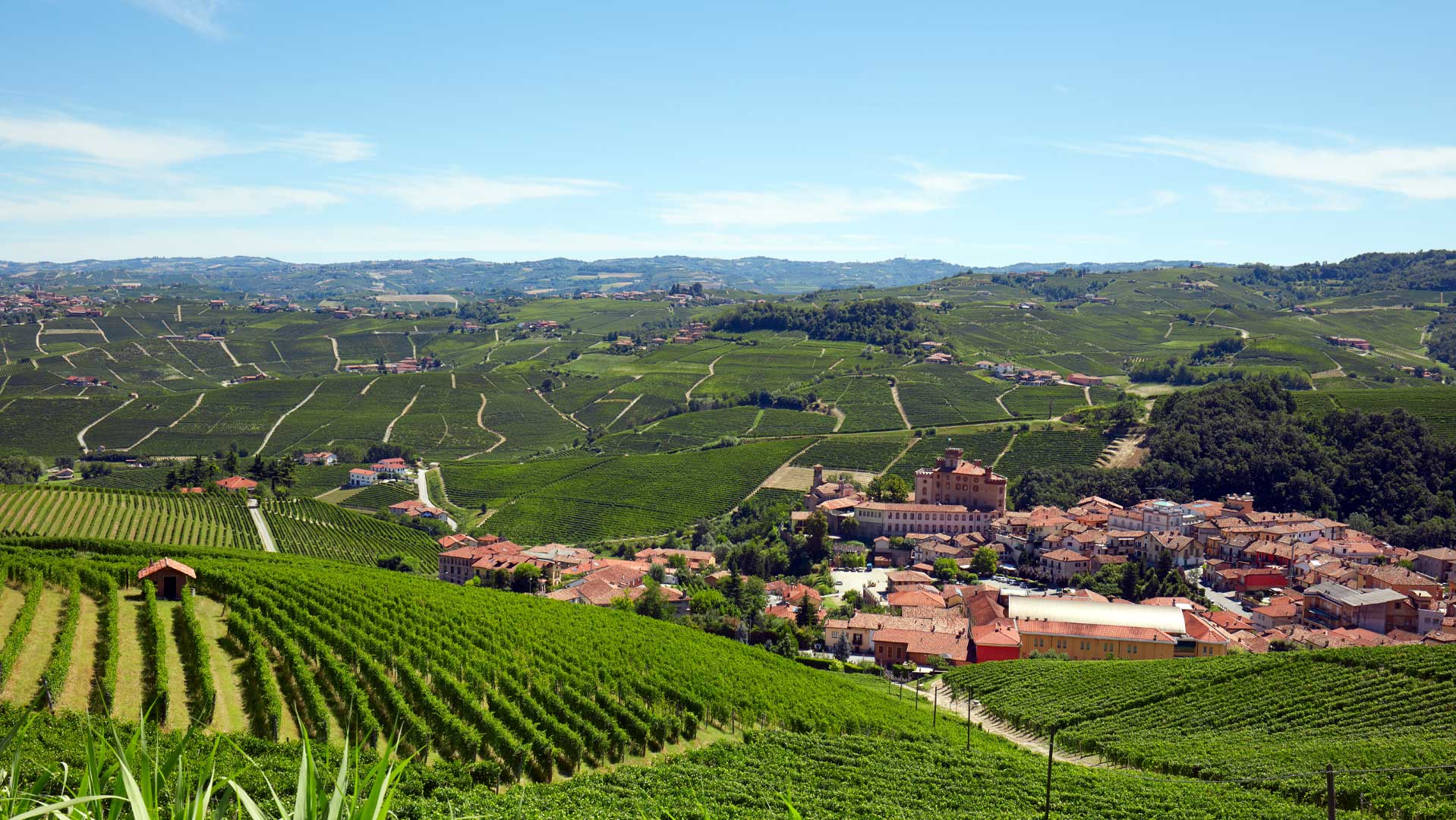
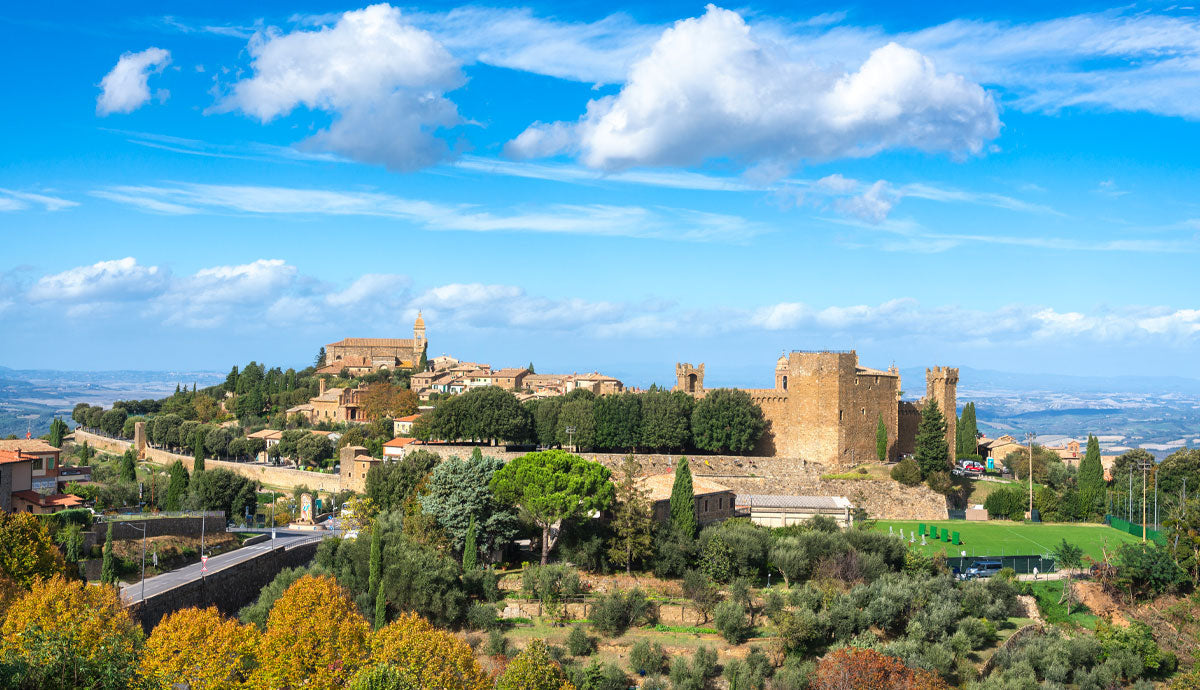
Montepulciano is a stunning medieval hilltop town in the province of Siena in southern Tuscany. The wines produced in and around this town are made primarily from Sangiovese — locally called Prugnolo Gentile — not from the Montepulciano grape.

There are two main denominations here:
- Vino Nobile di Montepulciano DOCG — minimum 70% Sangiovese, with at least two years of aging (three for Riserva). Elegant, structured, and complex.
- Rosso di Montepulciano DOC — same grape, shorter aging requirement (six months minimum). Lighter and fresher, excellent everyday drinking.
Vino Nobile was historically called "Noble Wine" for good reason — it has a lineage going back to Renaissance Florence and is one of Italy's oldest denominations. It's often underrated compared to its neighbor, Brunello di Montalcino, yet it's made from the same grape (Sangiovese) at a much more accessible price point.
Side-by-Side: Montepulciano d'Abruzzo vs Vino Nobile di Montepulciano
Here's everything you need to know in one table:

Montepulciano d'Abruzzo: The Workhorse Worth Knowing
Abruzzo is a rugged, largely mountainous region on Italy's Adriatic coast, east of the Apennine mountains. More than 65% of Abruzzo is considered mountainous terrain — yet the valleys and lower foothills produce some of Italy's most reliable everyday reds.
Under Italian wine law, Montepulciano d'Abruzzo DOC must contain at least 85% Montepulciano grapes, with up to 15% Sangiovese permitted. The standard DOC requires only five months of aging before release. The Riserva designation requires a minimum of two years of aging, including at least nine months in wood.
Within the DOC, there is a higher tier: Montepulciano d'Abruzzo Colline Teramane DOCG — produced in the Teramo hills, with stricter requirements (minimum 90% Montepulciano, lower yields, longer aging). The Casauria subzone goes further still, requiring 100% Montepulciano and 18 months of aging minimum.
The range is wide. At the entry level, Montepulciano d'Abruzzo is one of Italy's great value wines: deeply colored, fruit-forward, and food-friendly. At the Riserva level from quality producers, it becomes something far more serious — worth cellaring and contemplating.
Browse Montepulciano d'Abruzzo at Big Hammer Wines →
Vino Nobile di Montepulciano: The Underrated DOCG
Vino Nobile di Montepulciano received DOCG status in 1980, making it one of the first wines in Italy to earn that designation. It's made from Sangiovese — called Prugnolo Gentile locally — which accounts for a minimum of 70% of the blend, with complementary varieties like Canaiolo or Merlot rounding it out.
The wines tend toward garnet-ruby in color with characteristic Sangiovese flavors: sour cherry, wild strawberry, dried herbs, leather, and earthy notes. As they age — particularly the Riserva versions — they develop complex spice and secondary flavors that rival Brunello di Montalcino at a fraction of the cost.
If you enjoy Chianti Classico Riserva, Vino Nobile should absolutely be on your radar. They share the same soul, but Montepulciano's wines tend to be a bit richer and more immediately approachable.
Explore Italian Red Wines at Big Hammer Wines →
Which One to Buy — and What to Pair It With
The two wines serve different moments at the table. Here's a practical guide:

My rule of thumb: reach for Montepulciano d'Abruzzo when you want something bold, reliable, and a bit of a crowd-pleaser. Reach for Vino Nobile di Montepulciano when you want to slow down and pay attention to what's in the glass.
Where Else Does the Montepulciano Grape Appear?

The Montepulciano grape is more prolific than most wine lovers realize. Beyond Abruzzo, you'll find it in:
- Le Marche: Rosso Conero DOC, Conero DOCG, Rosso Piceno Superiore, Offida DOCG
- Molise: Biferno DOC
- Puglia: San Severo DOC, Castel del Monte DOC (as a blending variety)
- Umbria and Tuscany: in various DOC blends
- Lazio: Colli della Sabina DOC and others
Each region expresses the grape differently — Rosso Conero from Le Marche, for example, can be particularly structured and mineral, shaped by the Adriatic breezes and clay-limestone soils.
Glossary: Key Terms to Know

Montepulciano (grape): A red Italian grape variety, Italy's second most widely planted indigenous variety after Sangiovese. Produces bold, dark, fruit-forward wines. Grown primarily in Abruzzo.
Montepulciano (town): A medieval hilltop town in the province of Siena in Tuscany. Home to Vino Nobile di Montepulciano DOCG and Rosso di Montepulciano DOC.
Montepulciano d'Abruzzo DOC: An Italian wine designation (DOC) requiring at least 85% Montepulciano grapes, produced in Abruzzo. Known for bold, affordable everyday reds to more serious Riserva wines.
Vino Nobile di Montepulciano DOCG: A prestigious Tuscan wine made from a minimum 70% Sangiovese (Prugnolo Gentile) in and around the town of Montepulciano. DOCG status since 1980.
Prugnolo Gentile: The local Tuscany clone of Sangiovese used in Vino Nobile di Montepulciano. Named for its resemblance to small plums (prugnolo = little plum).
DOC / DOCG: Italy's wine classification tiers. Denominazione di Origine Controllata (DOC) and Denominazione di Origine Controllata e Garantita (DOCG) are the two highest quality designations, with DOCG the more stringent.
Riserva: A designation indicating extended aging. For Montepulciano d'Abruzzo, Riserva requires at least two years aging (six months in wood). For Vino Nobile, at least three years total.
Colline Teramane DOCG: A higher-tier DOCG within Abruzzo, produced in the Teramo hills from a minimum 90% Montepulciano. More structured and age-worthy than standard Montepulciano d'Abruzzo DOC.
Cerasuolo d'Abruzzo: The rosé style made from Montepulciano grapes in Abruzzo, elevated to its own DOC in 2010. Known for its deep cherry-red color and heartier-than-average character for an Italian rosato.
Frequently Asked Questions
1. Is Montepulciano d'Abruzzo made from Sangiovese?
No. Montepulciano d'Abruzzo is made from the Montepulciano grape, not Sangiovese. Under DOC rules, it must be at least 85% Montepulciano, with up to 15% Sangiovese permitted as a blending component. It is a common misconception because Vino Nobile di Montepulciano — a wine with a similar name — is made primarily from Sangiovese.
2. What is the difference between Montepulciano and Vino Nobile di Montepulciano?
Montepulciano refers to the grape variety; Vino Nobile di Montepulciano is a wine made in the Tuscan town of Montepulciano from Sangiovese, not from the Montepulciano grape. They share a name but differ in grape variety, region, flavor profile, and price point.
3. Is Montepulciano d'Abruzzo a good wine?
Yes, especially for its price. It ranges from easy-drinking everyday reds to serious Riserva wines that benefit from cellaring. At the entry level, it's one of Italy's great value wines: bold, deeply colored, food-friendly, and consistent. At the Riserva level from quality-focused producers, it's genuinely complex and age-worthy.
4. What does Montepulciano d'Abruzzo taste like?
Montepulciano d'Abruzzo typically tastes of dark plum, black cherry, blackberry, pepper, and spice, with earthy, mineral undertones. It's deeply colored with moderate-to-firm tannins and moderate acidity. Young versions lean fruity and approachable; aged Riserva examples develop leather, tobacco, and dried herb complexity.
5. Is Vino Nobile di Montepulciano better than Chianti?
Both are made from Sangiovese, but Vino Nobile di Montepulciano tends to be richer and more structured than most Chianti, closer in character to Chianti Classico Riserva or Brunello di Montalcino — at a friendlier price than Brunello. Whether it's "better" depends on your preference for structure versus freshness.
6. What food pairs well with Montepulciano d'Abruzzo?
Montepulciano d'Abruzzo is one of the most food-friendly Italian reds. It excels with pizza, tomato-based pasta (especially lamb ragù or arrabbiata), grilled meats, BBQ, and cured meats like salami and prosciutto. Its fruit-forward character also makes it pleasant for casual sipping on its own.
7. What food pairs well with Vino Nobile di Montepulciano?
Vino Nobile di Montepulciano's structured acidity and complex earthiness make it ideal with bistecca Fiorentina, roasted lamb, wild boar, game meats, and aged hard cheeses like pecorino and aged Parmigiano-Reggiano. It's more of a food wine than a sipping wine.
8. How do you pronounce Montepulciano?
Montepulciano is pronounced mon-teh-pool-CHAH-no. Breaking it into syllables: Mon - te - pul - cia - no. The stress falls on the second-to-last syllable: CHAH.
9. Can you age Montepulciano d'Abruzzo?
Standard Montepulciano d'Abruzzo is meant for early drinking — within three to five years of vintage. Riserva versions from quality producers can age eight to twelve years or longer. The Colline Teramane DOCG tier, with its stricter production requirements and longer mandatory aging, is generally the best candidate for extended cellaring.
10. Why is Montepulciano d'Abruzzo so affordable?
The Montepulciano grape is productive and well-suited to Abruzzo's climate, yielding reliable quantities of high-quality fruit. Large production volume, combined with Abruzzo's historically lower land values compared to Tuscany or Piedmont, keeps prices accessible even from quality-focused producers.
11. Is Rosso di Montepulciano the same as Montepulciano d'Abruzzo?
No. Rosso di Montepulciano is a Tuscan DOC wine made from Sangiovese in and around the town of Montepulciano — essentially the entry-level sibling of Vino Nobile di Montepulciano. It has nothing to do with the Abruzzo region or the Montepulciano grape. The naming is one of Italian wine's most persistent sources of confusion.
12. What is Cerasuolo d'Abruzzo?
Cerasuolo d'Abruzzo is the rosé (rosato) wine made from Montepulciano grapes in Abruzzo. It was separated into its own DOC in 2010. Despite being a rosé, it tends to be heartier and more deeply colored than typical Italian rosatos, with aromas of orange peel, cinnamon, strawberry, and dried cherries.
Ready to Explore Montepulciano?
Now that you can tell these two wines apart at a glance, here are a few ways to put that knowledge to work:
→ Shop our Montepulciano collection (in-stock bottles only)
→ Browse all Italian wines at Big Hammer Wines









































Shop Montepulciano Wines Now at Big Hammer Wines!
SHOP COLLECTIONShare:
Burgundy Prices Are Up 30% — Where Smart Buyers Find Value
Comments Section
1 comment
Ty this was very informative 👍🇮🇹🍷