

If you love Champagne but not what it does to your card statement, Spain has been hiding a great answer in plain sight.
Cava is made the same painstaking way as Champagne, yet it routinely sells for a fraction of the price. The only thing standing between you and that bargain is knowing which bottles to reach for.
Most of what fills supermarket shelves is the cheap, industrial end of the category, and over the years it has quietly convinced a lot of people that Cava is “basic.” It isn’t. You just have to look one shelf up.
Key Takeaways
- Cava and Champagne use the same method — a second fermentation in the bottle — which is why Cava drinks closer to Champagne than to Prosecco.
- Aging time is the clearest quality signal on the label: 9 months for Guarda, 18 for Reserva, 30 for Gran Reserva, 36 for Paraje Calificado.
- The cheap supermarket Cava that earned the category its “basic” reputation is only the entry tier. It is not what serious Cava tastes like.
- Reserva and Gran Reserva are the value sweet spot: real bottle-aged complexity without the Champagne markup.
- Serve it cold but not icy (45–50°F), and use a real wine glass over a flute on the higher tiers so the aromas can open up.
What Cava Actually Is

Cava is Spain’s answer to Champagne, born in Catalonia in the late 1800s. When the phylloxera louse tore through the region’s vineyards, growers replanted with white grapes that turned out to be ideal for sparkling wine, and a tradition took root.
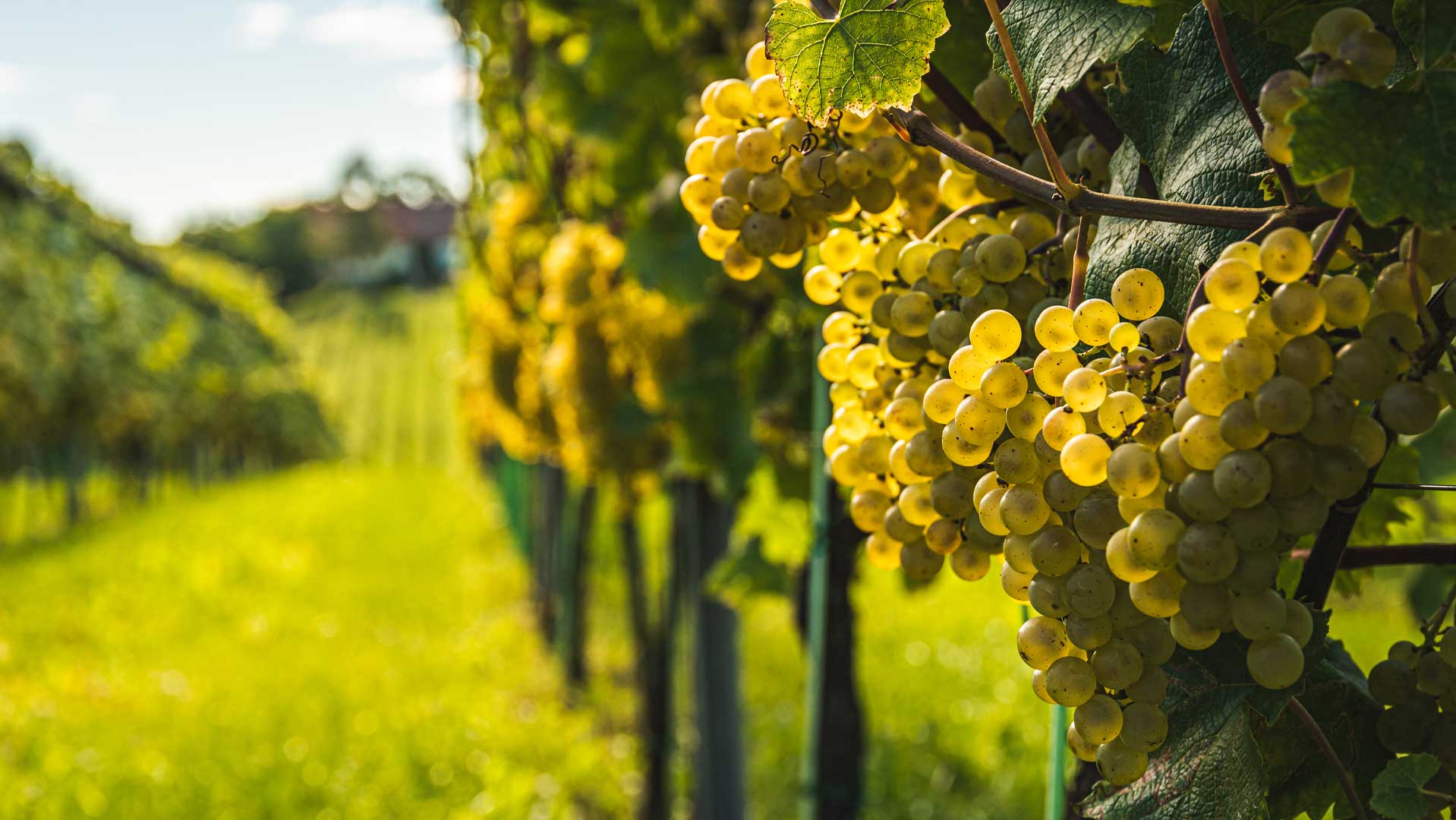
The principal grapes today are Macabeo, Xarel·lo, and Parellada, with Chardonnay and Pinot Noir also permitted in the blend.
What makes it serious is the method. Like Champagne, Cava gets its bubbles from a second fermentation inside the bottle, then spends months aging on the lees — the spent yeast left behind by fermentation.
That contact is where the bread-crust and toasted-almond character comes from. It is the same engine that drives Champagne’s complexity, running on Spanish fruit at Spanish prices.
The Quality Ladder — This is the Part That Matters
Cava isn’t one wine, and the label tells you which one you’re holding. Aging time is the single best signal of quality, and the DO Cava system sorts every bottle by exactly that:

Here’s the honest read from our buying desk. The $10 supermarket bottle that made people skeptical and a 30-month Gran Reserva are barely the same drink.
We don’t stock the former. What we hunt for sits in the Reserva and Gran Reserva range: bottles I’d open without apology next to Champagne that costs two or three times as much.
Cava vs. Champagne vs. Prosecco
The three get lumped together, but only two of them are genuinely alike.
Prosecco is made by the tank method, which is faster and cheaper and gives you that soft, fruity, easy-drinking style. Perfect in a spritz, no argument. But it’s a different category of wine, built for a different job.
Champagne and Cava share the traditional method, so that’s where the real comparison lives. Against entry-level Champagne, a good Cava Reserva usually wins on value outright. Against grower Champagne, a top Gran Reserva holds its own on complexity while staying meaningfully cheaper. If you’ve been reaching for Prosecco out of habit, serious Cava is the upgrade worth making.

How to Drink It Well
Serve it cold but not frozen, somewhere around 45–50°F. Take it too far toward icy, and you mute everything the bottle aging worked to build.

Cava is also one of the most food-flexible wines you can pour. It handles fried food, jamón, sushi, salty cheese, fried chicken, and an ordinary Tuesday with the same ease.
On the higher tiers, skip the narrow flute and reach for a real wine glass so the aromatics have room to stretch out.
Definitions: a Quick Cava Glossary
Traditional method — The labor-intensive process of creating bubbles through a second fermentation inside the individual bottle. Shared by Champagne and serious Cava.
Second fermentation — A controlled re-fermentation, triggered by adding yeast and sugar to the bottle, that traps carbon dioxide and produces the bubbles.
Lees / autolysis — The spent yeast cells the wine rests on after fermentation. Over time they break down (autolysis), adding bread, brioche, and toasted-nut character.
Cava de Guarda — The entry tier, aged a minimum of 9 months. Fresh and simple.
Reserva / Gran Reserva — Tiers within Cava de Guarda Superior, aged at least 18 and 30 months respectively. More toast, texture, and depth.
Cava de Paraje Calificado — The top tier: single-estate fruit, aged a minimum of 36 months, made in small quantities.
Brut / Brut Nature — Dryness levels. Brut is dry; Brut Nature is the driest, with no sugar added at the final stage.
Tank (Charmat) method — The faster process used for Prosecco, where the second fermentation happens in a large pressurized tank rather than the bottle.
Frequently Asked Questions
1. Is Cava made the same way as Champagne?
Yes. Both use the traditional method, with a second fermentation in the bottle and time aging on the lees. That shared process is the reason good Cava tastes closer to Champagne than to Prosecco.
2. Why is Cava cheaper than Champagne?
Lower land and labor costs in Catalonia, plus indigenous grapes that don’t carry Champagne’s price premium. The method is the same; the geography simply costs less.
3. Is Cava better than Prosecco?
They’re built for different jobs. Prosecco is tank-made, soft, and fruity. Cava is bottle-fermented and more complex. If you want a Champagne-style wine, Cava is the closer match.
4. What does “Reserva” mean on a Cava label?
It means the wine aged at least 18 months on the lees before release, which adds toast, texture, and depth over the entry tier.
5. What’s the difference between Reserva and Gran Reserva Cava?
Aging time. Reserva ages a minimum of 18 months; Gran Reserva a minimum of 30, which makes it more complex and more age-worthy.
6. What is the best tier of Cava to buy?
For everyday value, Reserva. For something that drinks like Champagne, Gran Reserva. Cava de Paraje Calificado is the rare, single-estate top tier if you want to splurge.
7. What grapes are used in Cava?
Mainly Macabeo, Xarel·lo, and Parellada. Chardonnay and Pinot Noir are also permitted in the blend.
8. How long is Cava aged?
The minimums are set by tier: 9 months for Guarda, 18 for Reserva, 30 for Gran Reserva, and 36 for Paraje Calificado.
9. What temperature should I serve Cava?
Cold but not icy, around 45–50°F. Over-chilling flattens the aromatics, especially on aged bottles.
10. What food goes with Cava?
Almost anything salty or fried — jamón, sushi, salty cheese, fried chicken, chips. Its acidity and fine bubbles cut through richness beautifully.
11. Can Cava replace Champagne at a party?
Easily. A well-made Reserva or Gran Reserva delivers the toasty, traditional-method character most people want from Champagne, at a lower price per bottle.
12. Why does cheap Cava have a bad reputation?
Most supermarket Cava is the entry (Guarda) tier, made for volume and price. It’s the simplest expression of the category — not what Reserva and Gran Reserva taste like.
What to Buy
Skip the bottom shelf. Look for Reserva, Gran Reserva, vintage, or single-estate cuvées — that is where Cava goes from cheap-and-cheerful to genuinely great.
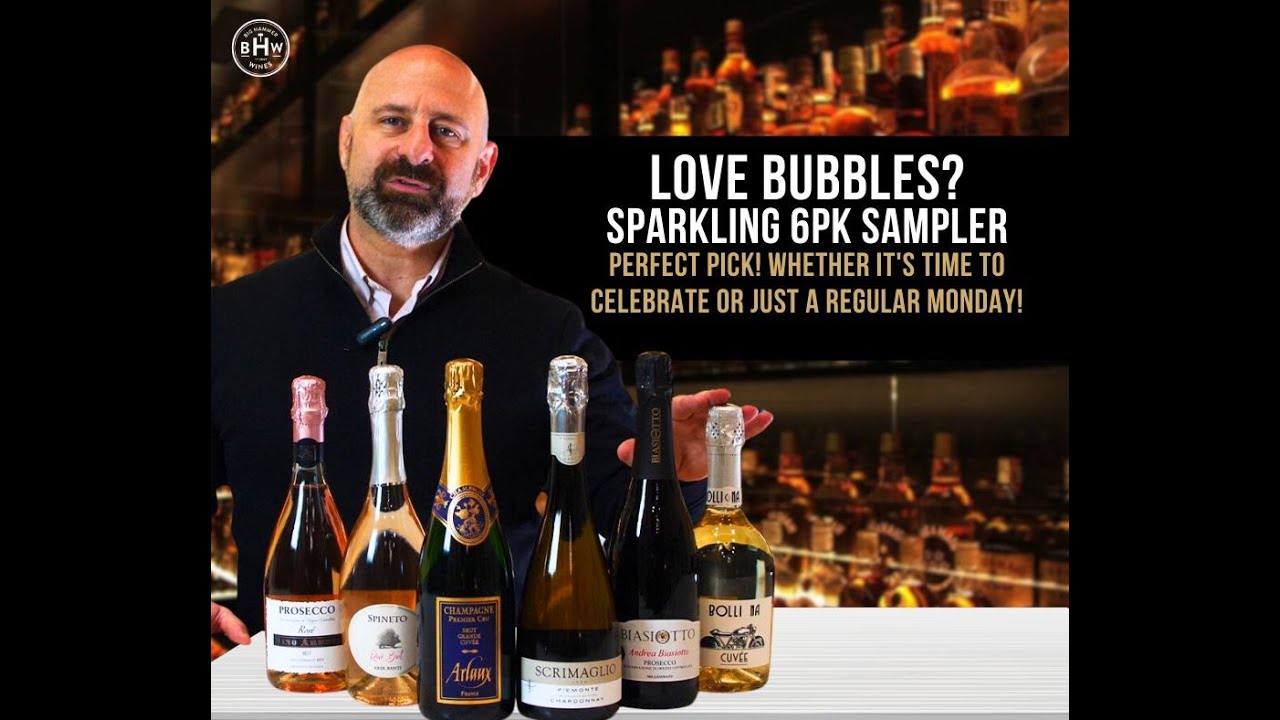
We curate our sparkling selection toward exactly those bottles: the ones that overdeliver, not the ones that race to the bottom on price.
Explore our Champagne & sparkling selection — including the premium Cava we think changes minds. If you have ever said “Cava is fine, I guess,” one of these will fix that.






















Share:
Summer Wine Cocktails: The Spritz Alternatives Worth Pouring This Year
Is Wine Really Different From Beer and Spirits? A Major Study Just Weighed In
Comments Section