


Key Takeaways
- You can push a corkscrew straight through most wax seals—no pre-removal necessary.
- A longer corkscrew with a double hinge works best, giving you the length and leverage to get through wax and into the cork.
- Never use a Coravin on wax-sealed bottles—the needle will break on contact with the wax.
- For very thick wax, cut it away with a sharp knife before inserting your corkscrew.
- Some wax seals include a pull tab (like Maker’s Mark whiskey)—always check for one before reaching for tools.
Why Do Wineries Use Wax Seals?

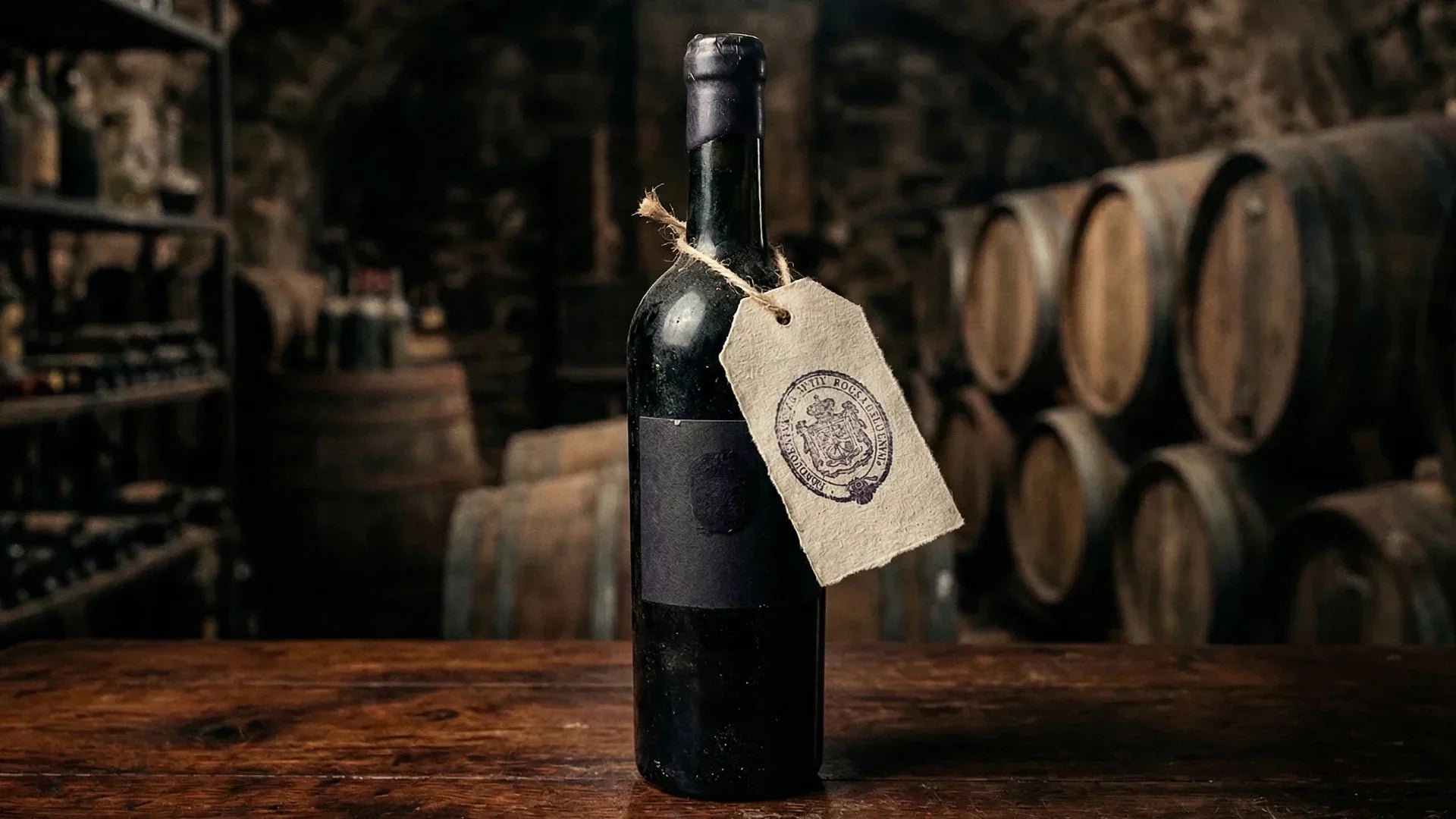
Wax-sealed bottles look premium. You’ll typically find them on higher-end wines in big, heavy bottles—producers use them to signal quality and tradition. The style was popularized by Maker’s Mark bourbon, which dips every bottle in its signature red wax.
Here’s the honest take from a wine professional: most wineries don’t think through the user experience of wax seals. They look fancy on the shelf, but they make a mess, frustrate customers, and can turn people off from the wine itself. A standard foil capsule works better for everyone.
That said, there’s no reason a wax seal should stop you from enjoying a good bottle. Here are three proven methods to get through it.
Method 1: Go Straight Through the Wax (Best for Most Bottles)
This is the fastest and most reliable approach for most wax-sealed bottles:
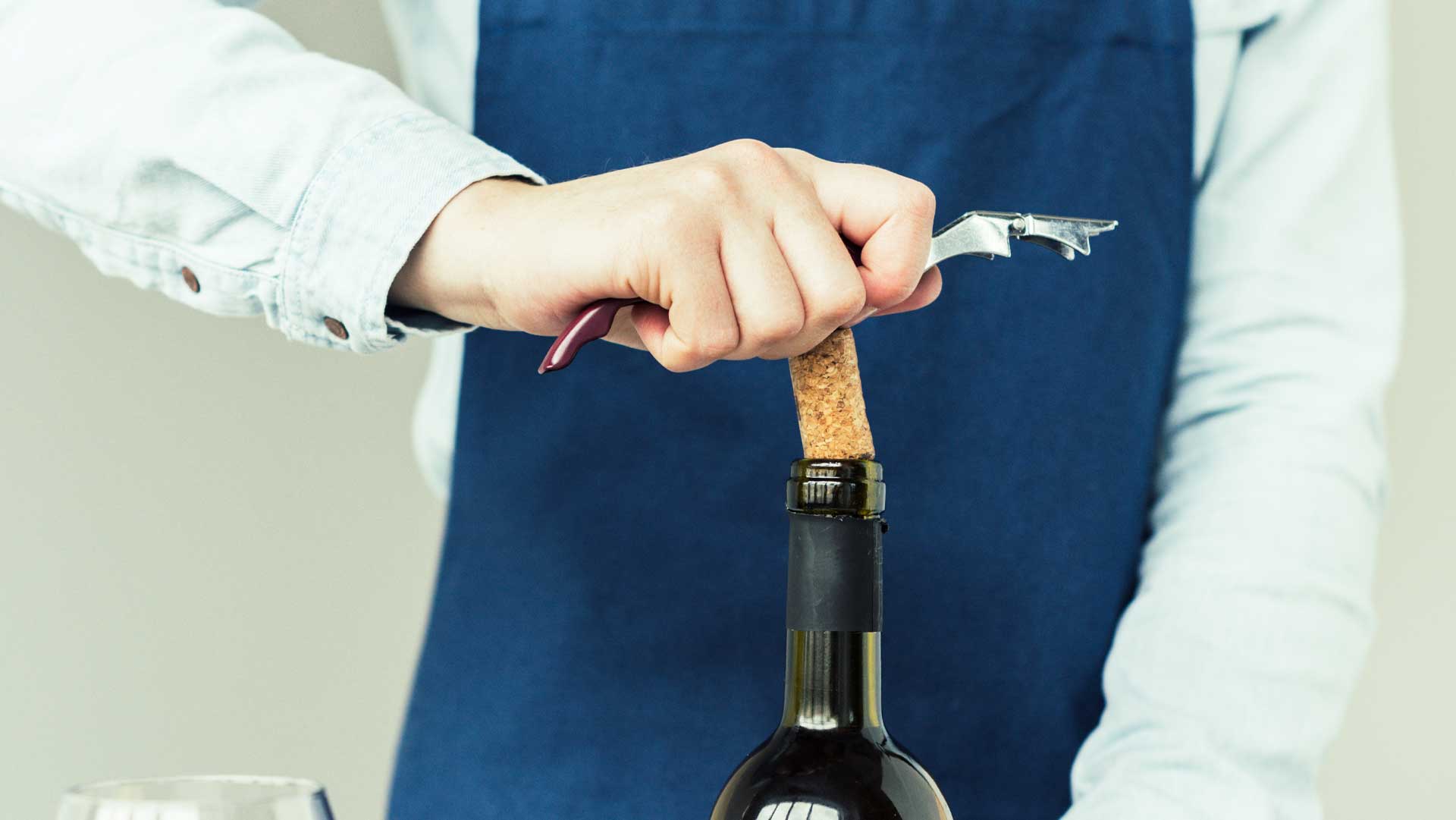
- Position your corkscrew. Place the tip of the worm (the spiral) directly on the center of the wax cap.
- Push down and start turning. Apply firm downward pressure. The corkscrew will push through the wax and find the cork underneath.
- Insert fully. Keep turning until the worm is deep into the cork—this is where a longer corkscrew matters.
- Lever the cork out. Use the first hinge position on the bottle’s lip, then switch to the second hinge to fully extract the cork through the wax.

Method 2: Cut the Wax Away First (Best for Thick Wax)
- Some bottles have extremely thick wax that resists even a long corkscrew. In these cases, remove the wax before opening:
- Score around the lip. Use a sharp kitchen knife or the foil cutter on your waiter’s corkscrew to score a line around the bottle just below the lip.
- Peel or pry off the wax cap. Work the knife under the scored edge and lever the wax cap off. It may come off in chunks.
- Open normally. With the wax removed, use any corkscrew or Coravin as you normally would.

Method 3: Check for a Pull Tab (The Easy Win)
Before reaching for any tools, check for a pull tab hidden under the wax. Some producers—following the lead of Maker’s Mark bourbon—include a small tab or string embedded in the wax seal. Simply pull it, and the wax peels away cleanly.
Feel around the base of the wax cap with your fingernail. If there’s a tab, you’ll feel a small ridge or edge. Unfortunately, most wine producers don’t include this feature—but it’s always worth a quick check.
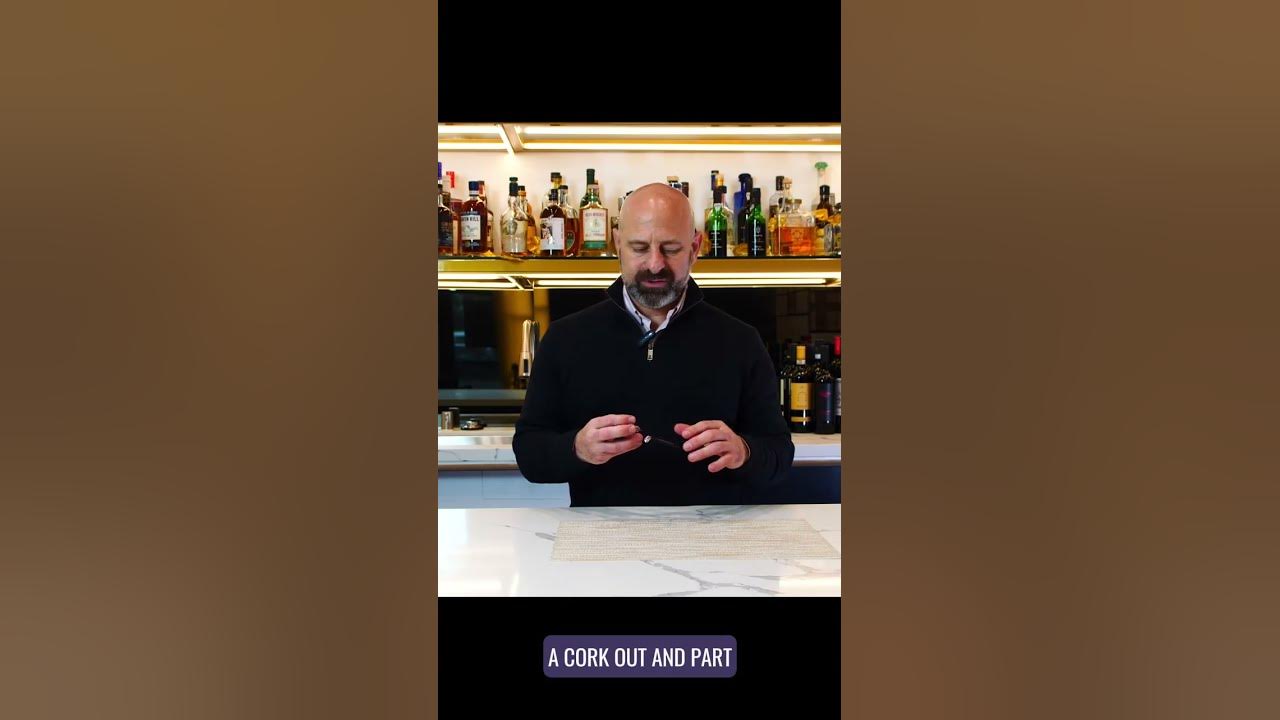
Watch how to open a wax-sealed wine bottle step by step.
Wax Seal Removal: Method Comparison

What Not to Do: Common Wax Seal Mistakes
- Don’t use a Coravin. The thin needle will break on contact with wax. If you want to use a Coravin, remove all wax first.
- Don’t use a short corkscrew. Short worms may not penetrate deep enough through thick wax to grip the cork. A longer worm gives you much better results.
- Don’t force a small foil knife. The tiny folding knife on most waiter’s corkscrews isn’t built for thick wax—it won’t cut through, and you risk slipping.
- Don’t panic about the mess. Wax crumbles are normal with the straight-through method. Open over a plate or towel and brush the pieces away.
Quick Decision: Which Method Should You Use?

- Check for a pull tab first. Run your fingernail around the base of the wax. Tab? Pull it. Done.
- Assess the wax thickness. Press your thumbnail into it. If it gives slightly, go straight through (Method 1). If it’s rock-hard, cut it first (Method 2).
- Grab the right tool. Double-hinged corkscrew with a long worm for Method 1. Sharp kitchen knife for Method 2.
- Open over a plate or towel. Wax will crumble. Prepare for it and cleanup is simple.
- Pour and enjoy. Check the rim for any wax fragments before pouring your first glass.
Wine Opening Terms: A Mini-Glossary
- Worm: The spiral metal piece on a corkscrew that screws into the cork. Longer worms penetrate deeper and grip better.
- Double Hinge: A lever mechanism on waiter’s corkscrews with two pivot points, allowing a two-stage pull for smoother cork extraction.
- Waiter’s Corkscrew (Wine Key): A compact, folding corkscrew used by professionals. Includes a worm, lever, and small foil-cutting knife.
- Coravin: A wine preservation device that uses a thin needle to pour wine through the cork without removing it. Not compatible with wax seals.
- Foil Capsule: The standard metal or plastic wrap covering the top of most wine bottles. Much easier to remove than wax.
- Wax Seal / Wax Dip: A decorative coating of melted wax applied over the cork and bottle neck. Intended to signal premium quality.
Frequently Asked Questions
1. Can you open a wax-sealed wine bottle without removing the wax?
Yes. For most bottles, push a long corkscrew straight through the wax into the cork, then lever it out normally. The wax will crack and crumble around the cork as it comes out.
2. Will a Coravin work on wax-sealed bottles?
No. The thin Coravin needle will break on contact with wax. If you want to use a Coravin, you must fully remove the wax first, then reseal the bottle afterward.
3. Why do wineries use wax seals?
Primarily for aesthetics and perceived prestige. Wax seals signal a premium product. The trend was popularized by Maker’s Mark bourbon. However, they’re more difficult to open and messier than standard foil capsules.
4. What type of corkscrew works best on wax-sealed bottles?
A double-hinged waiter’s corkscrew with a longer-than-average worm. The extra length ensures the worm penetrates through the wax and deep enough into the cork for a secure grip.
5. Is there wax in the wine after opening?
Small wax fragments may end up on the bottle rim. Check the lip and wipe it clean before pouring. Wax is food-safe and non-toxic, but you don’t want pieces in your glass.
6. Can you use hot water to remove wax from a wine bottle?
Yes. Dipping the neck in hot (not boiling) water for 30–60 seconds softens the wax enough to peel it away cleanly. Dry the bottle before opening. Be careful not to heat the wine itself.
7. Does a wax seal mean the wine is better quality?
Not necessarily. Wax seals are a packaging choice, not a quality indicator. Plenty of outstanding wines use standard foil capsules, and some average wines use wax for marketing appeal.
8. How do I know if a wax seal has a pull tab?
Run your fingernail around the base of the wax cap. A pull tab will feel like a small ridge or protruding edge. Some bottles note this on the label. Most wine wax seals do not include tabs.
9. Can I use a wing corkscrew on wax-sealed bottles?
You can try, but wing corkscrews are harder to center and may not have enough worm length. A waiter’s corkscrew gives you more control and a better angle for penetrating the wax.
10. How do I clean up wax crumbles after opening?
Open over a plate, towel, or cutting board to catch fragments. Wax crumbles are easy to sweep up. Wipe the bottle rim with a clean cloth before pouring.
11. Do wax seals affect how wine ages?
Wax creates an additional barrier against air, which can theoretically support longer aging. In practice, a quality cork under a standard capsule provides sufficient protection for proper cellaring.
12. Why do some wax seals break easily while others are rock-hard?
Wax composition varies by producer. Some use softer, more brittle blends designed to crack cleanly. Others use thick, hard wax for a more dramatic look—these are the ones that require cutting.
Tools of the Trade

A quality corkscrew makes all the difference—not just for wax seals, but for every bottle you open. Browse our wine accessories and explore the collection when you’re ready.
Looking for your next bottle to open—wax seal or not? See what other enthusiasts are choosing from our curated selection.
Prefer curated recommendations delivered by text? Apply for Text2Sip and let us find the wines worth opening.







































































Share:
The Wine Industry's Dirty Secret: Why There's No Ingredient List on Your Bottle
German Riesling Buying Guide: How to Choose the Right Bottle
Comments Section