


Key Takeaways
- Michel Rolland consulted for 300+ wineries in 22 countries, making him the most influential wine consultant of the modern era.
- He arrived in Argentina in 1988 and recognized Malbec’s potential years before it became the country’s signature grape on the global stage.
- His Clos de los Siete project in Mendoza’s Uco Valley brought six Bordeaux families together to build a world-class wine estate from bare land.
- Rolland’s client list included icons like Harlan Estate, Ornellaia, Masseto, and Screaming Eagle — wines that shaped what “premium” means today.
- At 78, he was still producing some of his most balanced, terroir-driven wines — a late-career evolution that earned praise from critics like James Suckling.
You Know His Wines. Here’s How Much Michel Rolland Actually Changed the Game.

Michel Rolland passed away on March 20, 2026, at 78, taken by a sudden heart attack in Bordeaux. If you’ve spent any time exploring wine, you’ve likely come across his name — on a back label, in a tasting note, or attached to an estate you admire. But even among wine lovers who recognize the name, few grasp just how wide and deep his influence ran.
If you’ve ever enjoyed an Argentine Malbec, opened a cult Napa Cabernet, or savored a polished Super Tuscan, his fingerprints were almost certainly on the style of wine in your glass. He consulted for more than 300 wineries across 22 countries. The bottles are famous. The full scope of what the man behind them actually changed? That’s the story worth telling.
Born in Pomerol, Built for Bordeaux
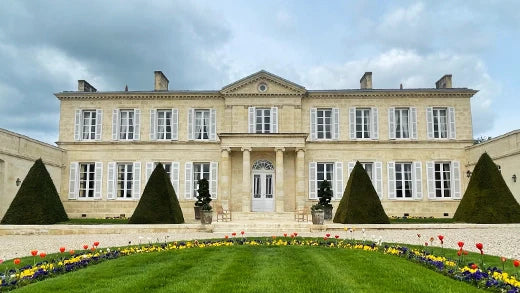
Rolland was born on Christmas Eve, 1947, at his family’s Château Le Bon Pasteur in Pomerol — one of Bordeaux’s most revered appellations. He grew up immersed in Right Bank culture, studied oenology at the University of Bordeaux, and graduated in the class of 1972 alongside Dany, the woman who would become his wife, his business partner, and his constant collaborator for the next five decades.
In 1973, the couple founded their own wine analysis laboratory in Libourne. It was modest, located on a quiet main street in one of the two villages that make up the Pomerol appellation. Over the years, that unassuming lab — Laboratoire Rolland — became a pilgrimage site for winemakers and wine journalists worldwide.
The First “Flying Winemaker”
The term “flying winemaker” was coined because of Rolland. Starting in the late 1980s, he began consulting outside Bordeaux — first at Simi Winery in California in 1987, then rapidly expanding to Argentina, Italy, Spain, South Africa, India, Croatia, Israel, and beyond. By his peak in the mid-1990s through the early 2000s, he was advising more than 300 wineries in 22 countries.

What set him apart was not just his palate but his ability to translate Bordeaux’s centuries of winemaking knowledge into practical guidance for regions that had the terroir and ambition but lacked the technical roadmap. He didn’t arrive to impose a style. He arrived to help winemakers understand what their own land could produce.
A Technologist in an Industry That Resists Change
This is the part of Rolland’s story that often gets overlooked in the debates about style. Before he was a globetrotting consultant, he was a scientist. He and Dany built their Libourne laboratory from the ground up, and by the mid-2000s it employed a full team of technicians analyzing samples from nearly 800 wine estates in France each year. Science was the foundation of everything he did.
Winemaking is an industry that can be stubbornly traditional. Many producers do things the way their grandfather taught them — not because the methods are optimal, but because that’s how it’s always been done. Rolland was a foremost technologist who harnessed the power of modern science and innovation and brought it into cellars that were slow to adapt.
He advocated micro-oxygenation, later harvesting to achieve optimal ripeness, rigorous fruit selection, and precise temperature control during fermentation — techniques that now seem standard but were considered radical by traditionalists when he introduced them.
His approach wasn’t about replacing tradition with technology. It was about using better data and better tools to let each vineyard express its potential more fully. The estates that worked with him didn’t stop being who they were. They became better versions of themselves.
The Argentine Malbec Bet Nobody Else Would Make
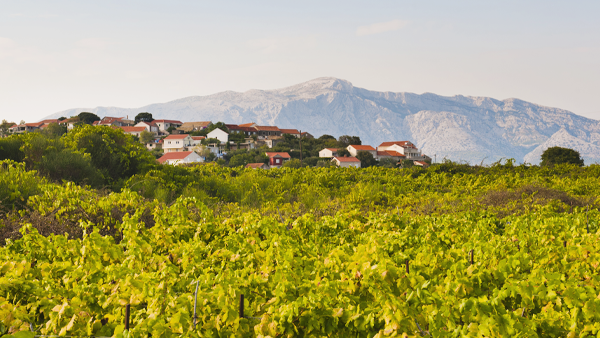
This is perhaps the chapter that matters most to everyday wine lovers. Rolland first traveled to Argentina in 1988, when the country had almost no international wine reputation. While others overlooked the region, Rolland saw potential in Malbec — a grape that was fading from relevance in its native Bordeaux but thriving in Argentine soil.
He famously said that not betting on Malbec’s future was “being out of your mind.” He then went beyond consulting. He convinced six Bordeaux families to invest in 850 hectares of bare land at the foot of the Andes in Mendoza’s Uco Valley and built Clos de los Siete from the ground up. The concept was unprecedented: four bodegas run by four passionate Bordeaux families, all contributing to a single Malbec-led blend crafted under Rolland’s supervision.
First released in 2002, Clos de los Siete became one of Argentina’s most recognized wines — and the number-one blend exported from the country. It was Bordeaux's ambition applied to Argentine terroir, and it worked.
If you’ve ever picked up a bottle of Argentine Malbec at your local wine shop and wondered how this grape became Argentina’s calling card, Rolland is a significant part of that answer.
From Ornellaia to Harlan: A Global Footprint
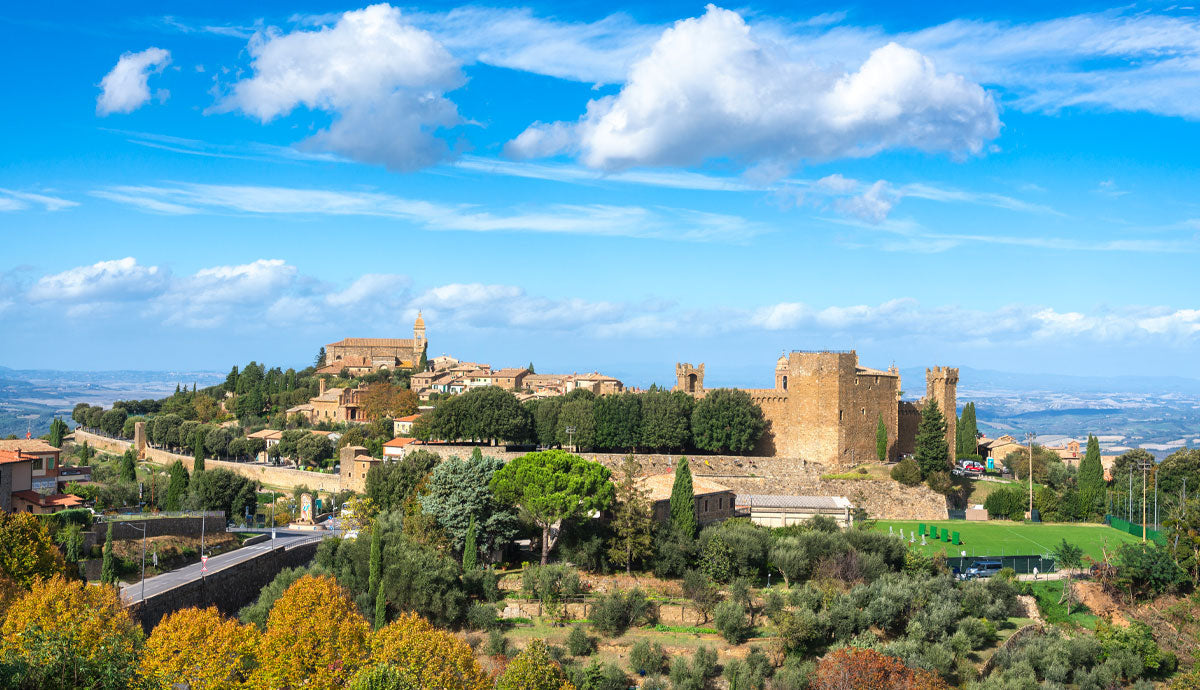
Argentina was just one chapter. Rolland’s consulting reach stretched across the world’s most prestigious wine estates. His clients weren’t fringe producers — they were the names that define “premium” in every major wine region. In Bordeaux alone, his client list read like a roll call of the Right Bank’s elite: Château Figeac, La Conseillante, Pontet-Canet, Troplong Mondot, and Angélus, among many others.
He helped these estates modernize their approach during a period when Bordeaux was clawing its way back from the difficult vintages of the 1970s. On his own properties — Château Fontenil in Fronsac and the family’s historic Bon Pasteur in Pomerol — he applied the same precision, producing wines that consistently punched above their appellation’s reputation.

The Master Blender
Rolland’s specialty was blending, and colleagues describe it as bordering on intuition. He once said it was “instinct — like a painter, with a magic touch. I just see the blend in my head.” Early in his career, he would pretend to do multiple trial blends because nobody believed he could get it right on the first pass.
 Paul Hobbs, who worked alongside Rolland in both California and Argentina, recalled Rolland’s stamina at the blending bench: working from dawn through lunch without standing up, tasting and evaluating with relentless focus. “He was really truly amazing at that,” Hobbs said, “and I learned a lot from it.”
Mondovino, the Controversy, and How It Backfired
It would be incomplete to write about Rolland without acknowledging the debate. Critics accused him of promoting a heavy, fruit-forward, oak-driven style that minimized terroir and homogenized wine across regions. The 2004 documentary Mondovino set out to make that case, portraying Rolland and critic Robert Parker as twin forces of globalization steamrolling local winemaking character.
The film intended to demonize him. In practice, it did the opposite. Mondovino introduced Rolland to a far wider audience than the wine trade alone, and his charisma on screen — candid, unapologetic, clearly passionate about his work — won over as many viewers as it alienated. For many wine lovers, Mondovino was the first time they realized how much one consultant’s vision could shape what ended up in their glass. It made Rolland more famous, not less.
Rolland pushed back on the criticism consistently. He challenged anyone to identify his influence in a blind tasting and insisted he adapted his approach to each site. As Jancis Robinson noted, he thought of himself as a doctor — prescribing specific advice tailored to the place and variety, not a one-size-fits-all formula.
What’s undeniable is the result: the overall quality bar for wine rose dramatically during his most active decades. Marco Caprai called him “the man who created modern wine,” arguing that today’s abundance of high-quality wines around the world owes much to Rolland’s vision.
A Late-Career Evolution
Here’s what makes Rolland’s story even more compelling. The man known for bold, generous wines spent his final years producing some of his most balanced, terroir-driven work. James Suckling noted that Rolland’s late wines were more restrained, more site-specific, and among the best of his career.
At 78, he was still traveling. He attended Argentina’s National Harvest Festival just weeks before his death and was working the 2026 vintage at his Val de Flores estate in the Uco Valley with his wife Dany and daughter Stéphanie. His laboratory confirmed he was “still full of energy, projects, and travel plans.”
His family’s words stay with me: his heart “sustained him through 55 years of relentless work and journeys across every latitude — then it stopped. He loved life so much that he lived several of them.”
Why This Matters If You Drink Wine
You may already know Rolland’s name. But understanding the full arc of what he did adds a layer of appreciation that changes how you taste. When you open an Argentine Malbec, a polished Napa Cabernet, or a structured Bolgheri red, you’re tasting choices shaped — directly or indirectly — by Rolland’s philosophy: that great wine starts with understanding what the land can do, then getting out of its way.
His legacy isn’t a single style. It’s the idea that winemaking expertise shouldn’t be locked behind the gates of Bordeaux. That the next great wine region could be anywhere, and the next great grape might be one that nobody else is paying attention to yet.
How to Explore Michel Rolland’s Legacy in Your Own Glass
If you want to taste the influence firsthand, here’s a simple framework:

Wine Terms to Know
Oenologist: A scientist specializing in the study of wine and winemaking. Rolland trained as an oenologist at the University of Bordeaux.
Flying Winemaker: A consultant winemaker who travels internationally to advise wineries across multiple countries and hemispheres. The term was coined because of Rolland.
Blending: The art of combining wines from different grape varieties, vineyard parcels, or barrels to create a final wine. Rolland was considered one of the greatest blenders in wine history.
Terroir: The complete natural environment in which a wine is produced — soil, climate, topography, and local tradition. A central concept in the debate around Rolland’s legacy.
Right Bank (Bordeaux): The eastern side of the Gironde estuary, home to Pomerol and Saint-Émilion. Merlot and Cabernet Franc dominate here. Rolland was born and based on the Right Bank.
Malbec: A dark-skinned grape originally from France, now Argentina’s signature variety. Rolland was instrumental in elevating Malbec’s global reputation.
Uco Valley: A high-altitude wine region in Mendoza, Argentina, known for concentrated, complex wines. Home to Clos de los Siete.
Clos: A French term for an enclosed vineyard. Clos de los Siete means “vineyard of seven,” referring to the original seven plots of the partner families.
Cult Cabernet: A term for highly sought-after, limited-production Napa Valley Cabernet Sauvignon wines. Rolland consulted for several producers that defined this category.
En Primeur: The Bordeaux system of purchasing wine as futures before it’s bottled. Many Rolland-consulted châteaux are available through this system.
Frequently Asked Questions
1. What wines did Michel Rolland make?
Rolland consulted for estates including Harlan Estate and Screaming Eagle in Napa, Ornellaia and Masseto in Tuscany, Figeac and La Conseillante in Bordeaux, and Clos de los Siete in Argentina. He also owned Château Fontenil in Fronsac and Val de Flores in Mendoza.
2. Why is Michel Rolland important to wine lovers?
Even wine enthusiasts who recognize Rolland’s name often underestimate the full scope of his impact. His consulting work raised the quality bar for wine globally, helped regions like Argentina and Napa develop their reputations, and made world-class winemaking expertise accessible far beyond Bordeaux.
3. What is Clos de los Siete?
Clos de los Siete is a wine project in Mendoza’s Uco Valley founded by Rolland and six Bordeaux families. Spanning 850 hectares, it produces a Malbec-led blend that’s become one of Argentina’s most recognized wines.
4. What does “flying winemaker” mean?
A flying winemaker is a consultant who travels internationally to advise wineries across multiple countries. The term was created because of Rolland’s globetrotting consulting career.
5. Did Michel Rolland make all wines taste the same?
Critics accused Rolland of promoting a uniform, fruit-forward style. He rejected this, saying he adapted his approach to each site. His late-career wines became notably more balanced and terroir-driven, which critics praised.
6. How did Michel Rolland influence Argentine Malbec?
Rolland arrived in Argentina in 1988 and championed Malbec before the world recognized its potential. He then built Clos de los Siete in the Uco Valley, helping establish Argentine Malbec as a global category.
7. What was Michel Rolland’s blending style?
Rolland was known for intuitive, highly skilled blending. He described it as instinct, like a painter. Colleagues said he could often nail a blend on his first attempt.
8. Was Michel Rolland connected to Robert Parker?
Yes. Rolland’s generous, fruit-forward style often earned high scores from Parker, and the two were associated with the shift toward riper, more concentrated wines in the 1990s and 2000s.
9. What was Michel Rolland’s last project?
A: Rolland was working on the 2026 vintage at his Val de Flores estate in Argentina’s Uco Valley just weeks before his death. He was still consulting for over 150 estates at the time.
10. Can I buy Michel Rolland wines?
Yes. Several Rolland-connected wines are available through specialty wine retailers. His personal labels include MR Napa Valley Cuvée, Château Fontenil, and Clos de los Siete.
Explore the Legacy
If you want to taste Rolland’s influence firsthand, several wines from his personal projects and consulting clients are available at Big Hammer Wines. Explore this collection.




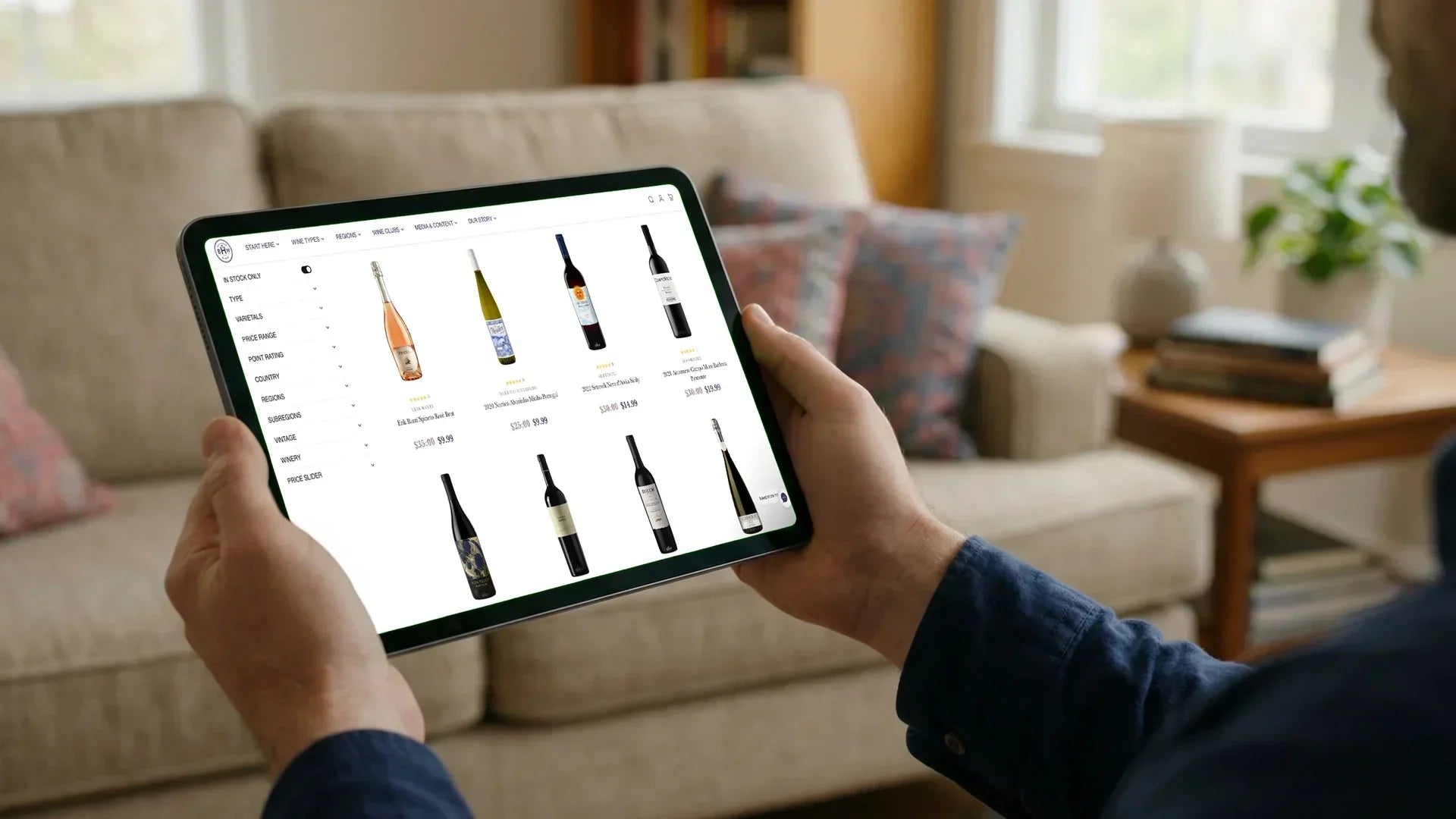












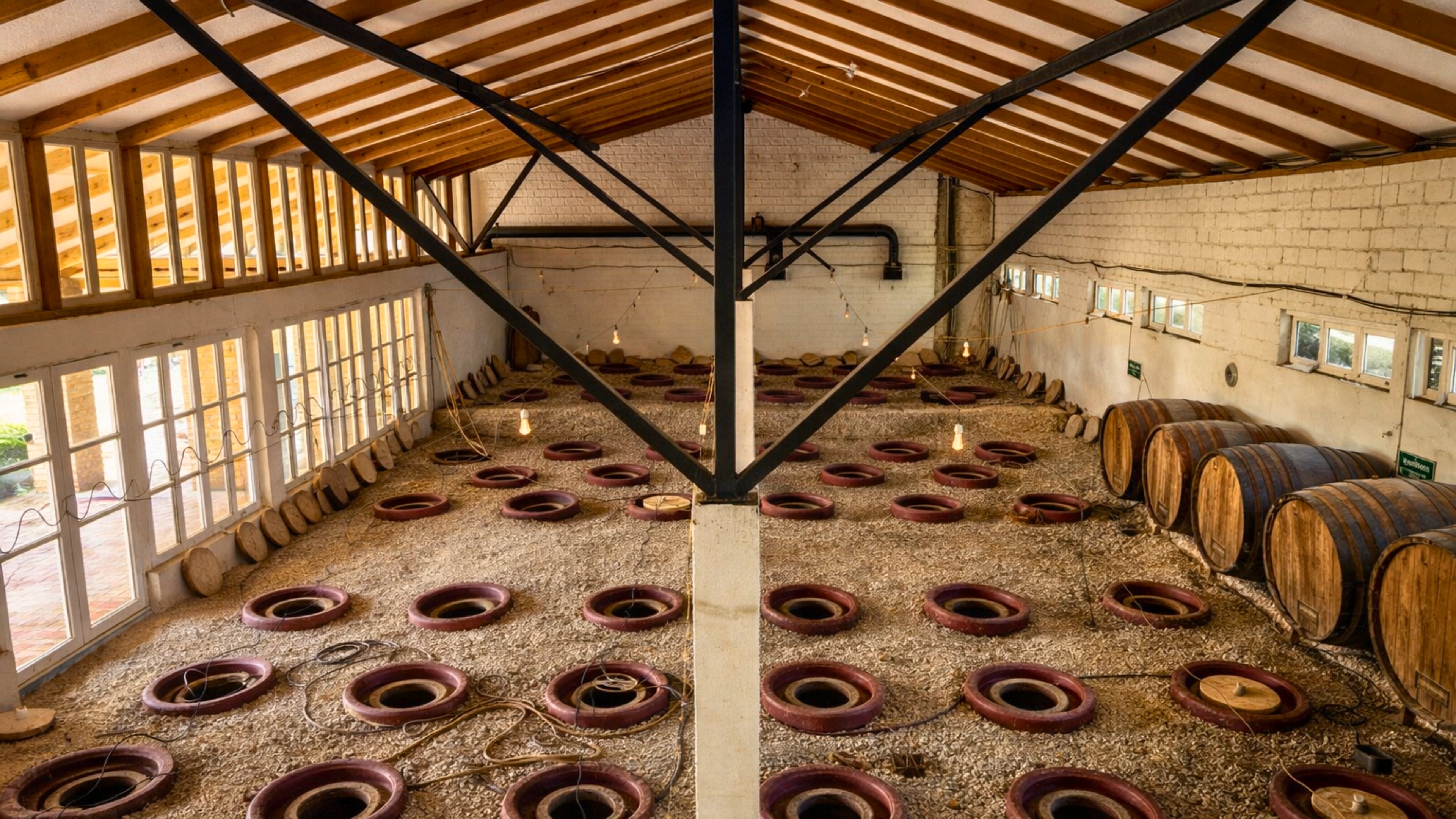
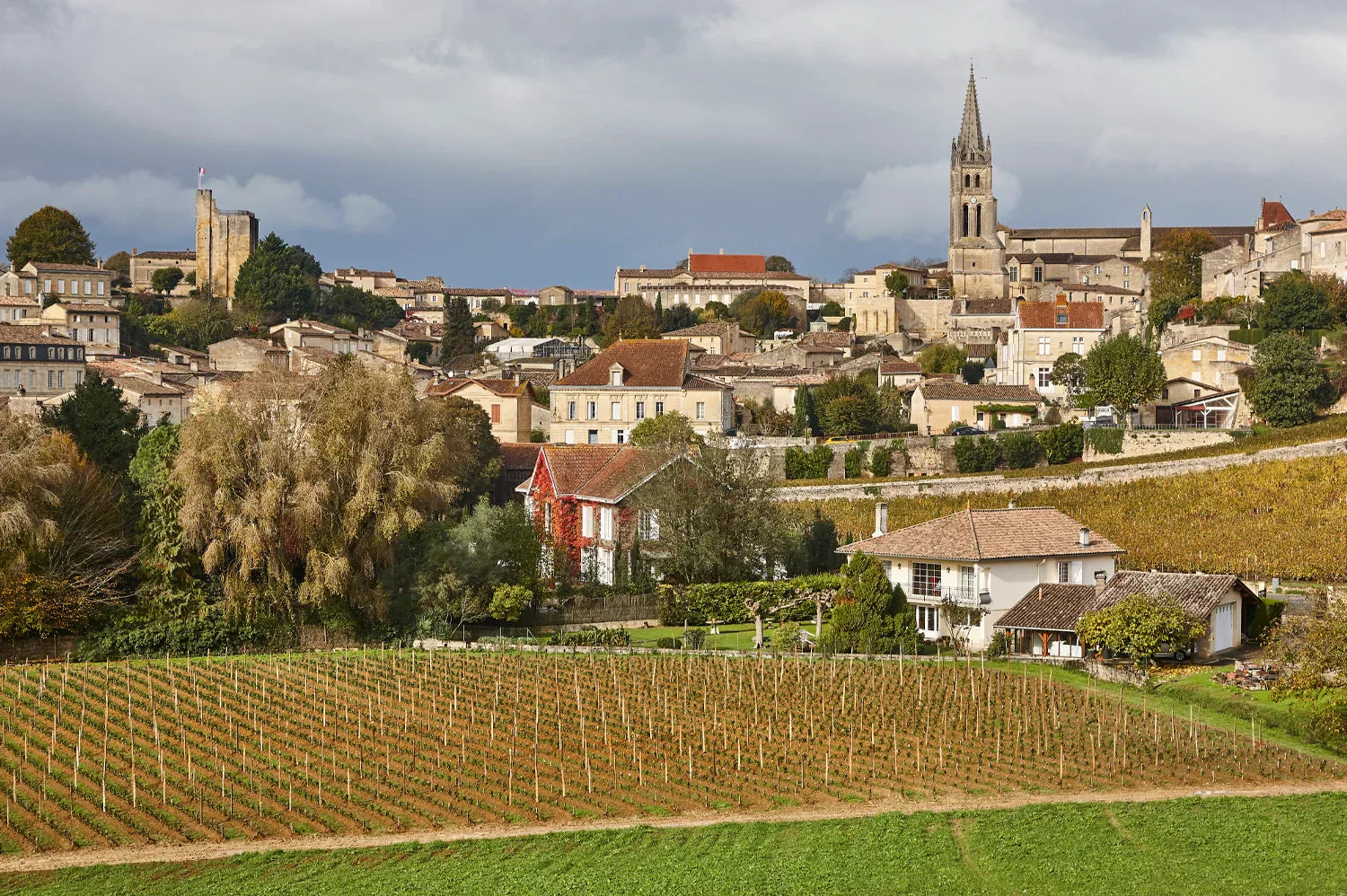
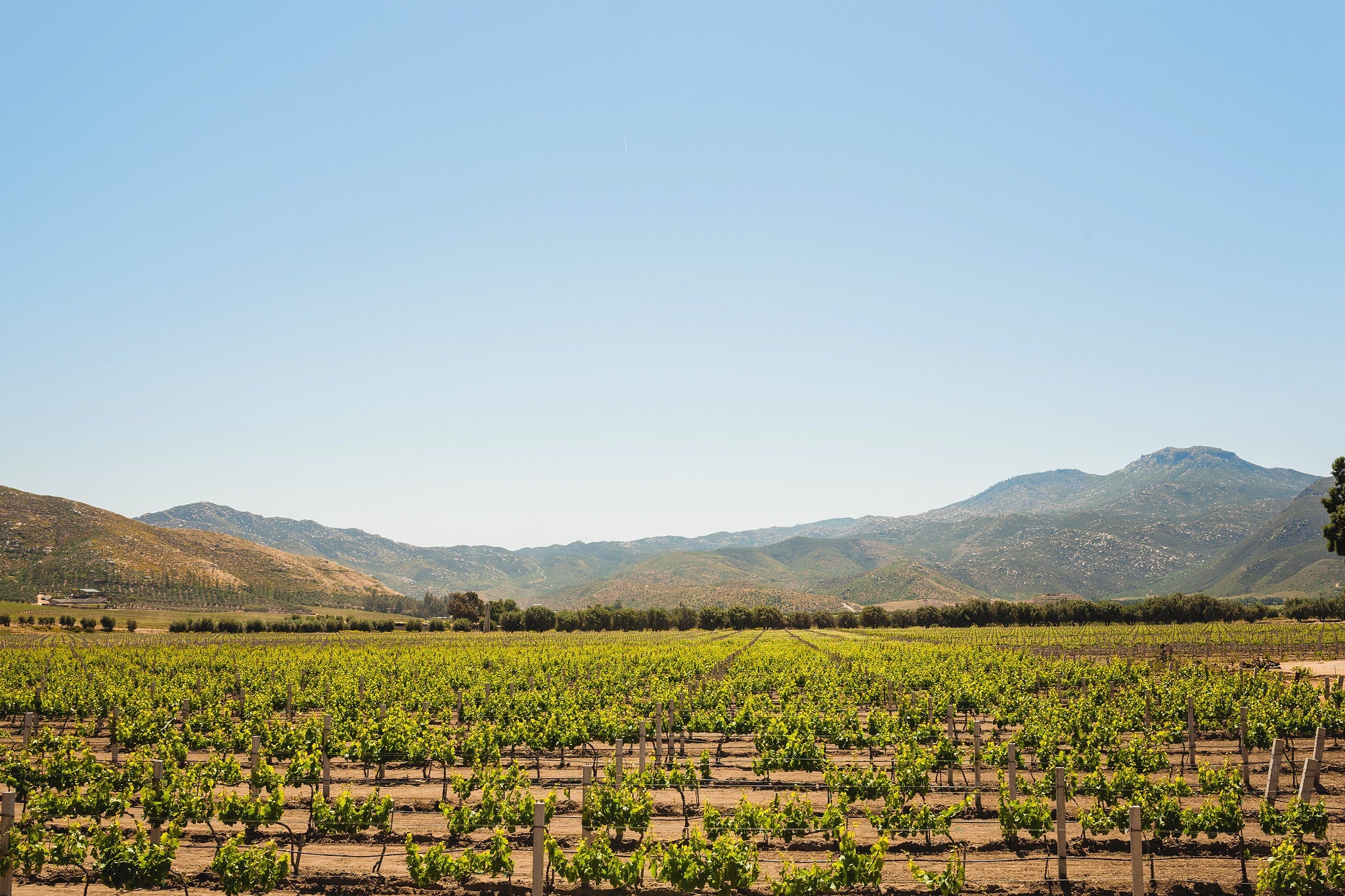
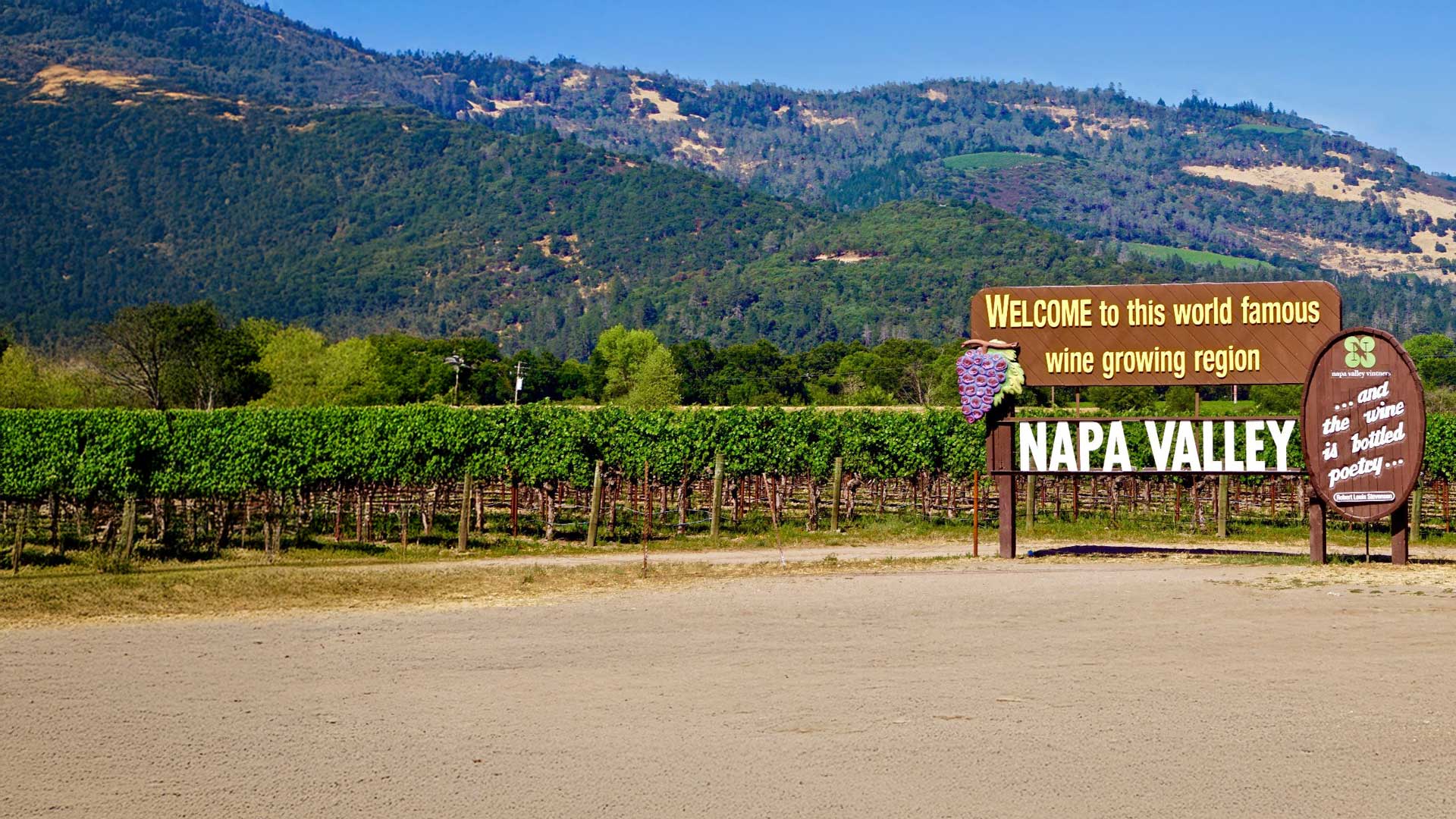


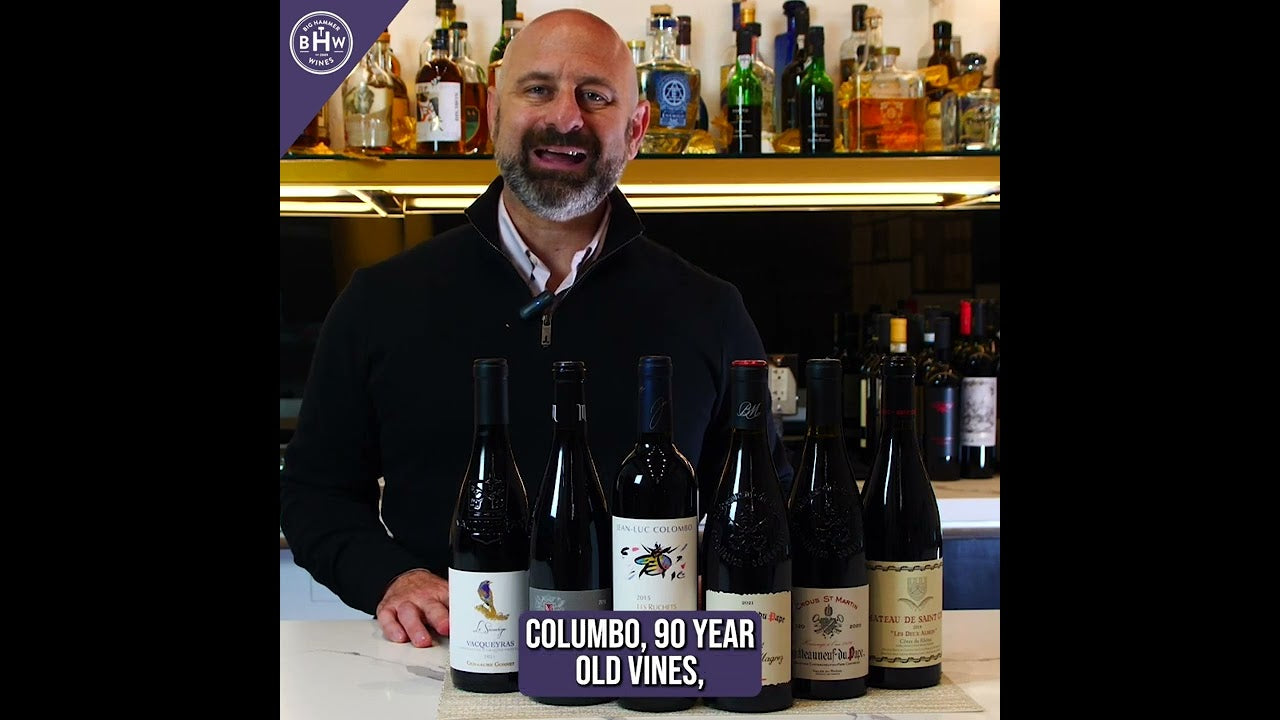
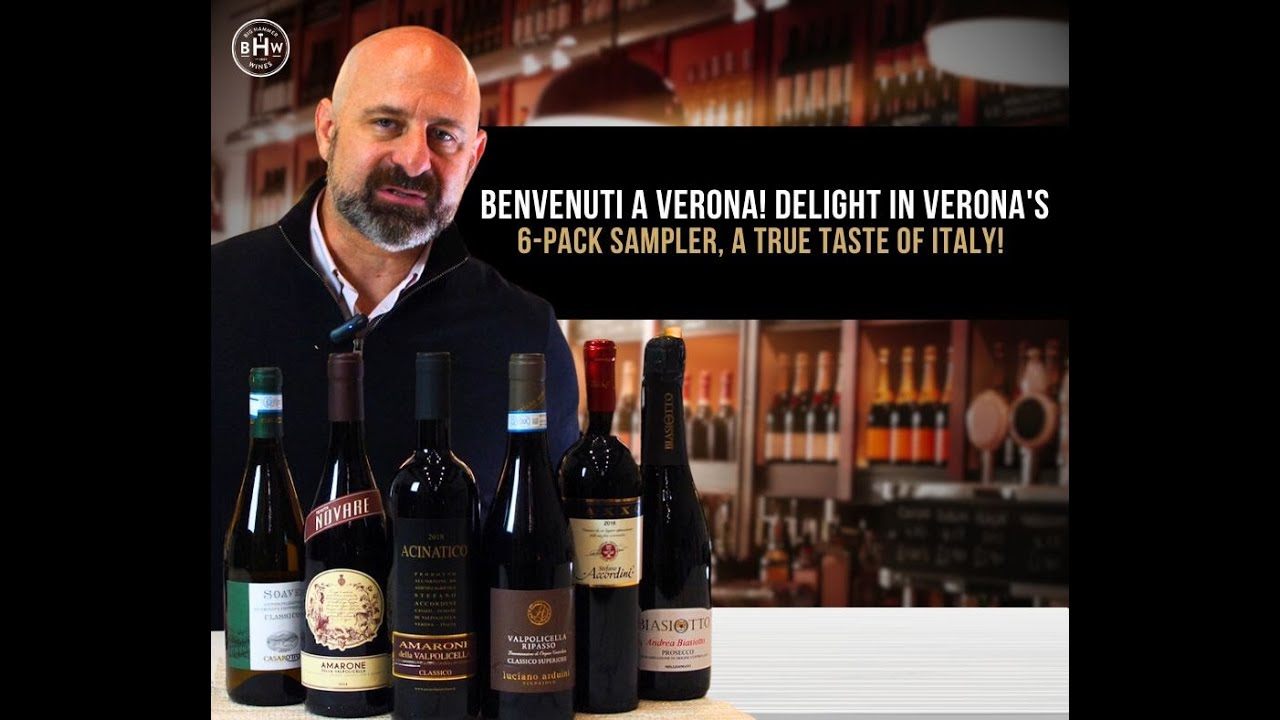
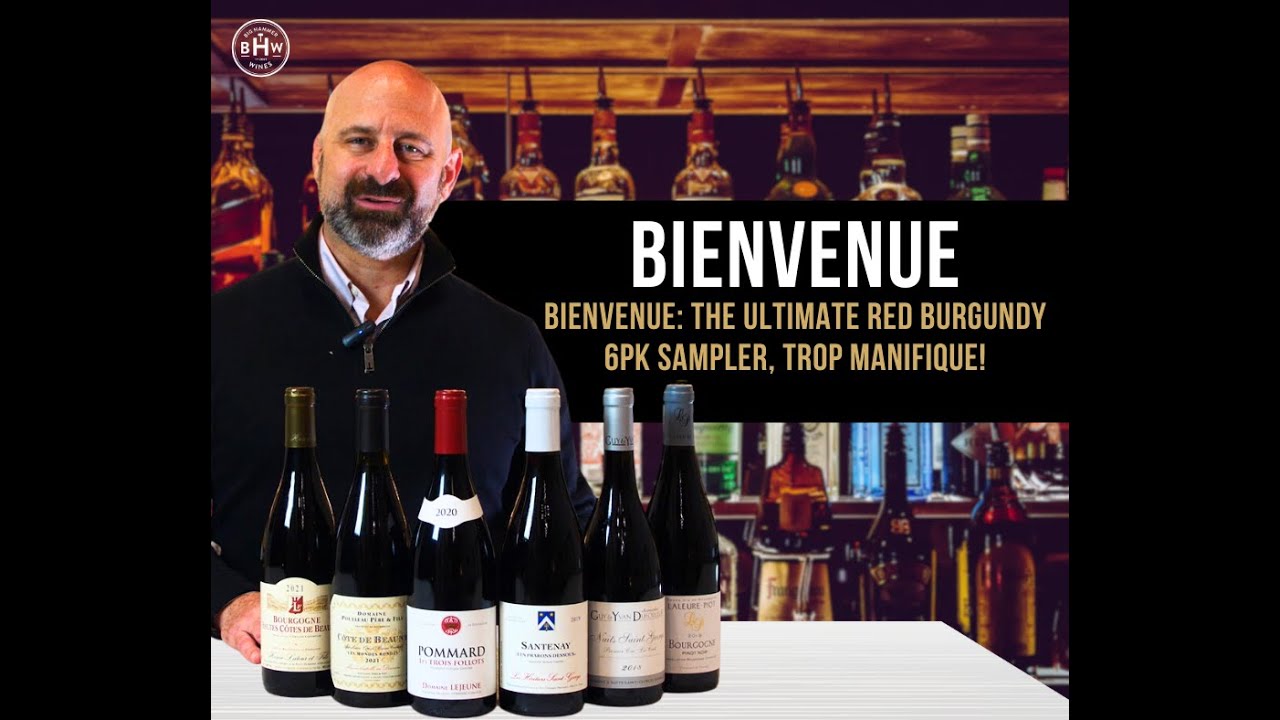
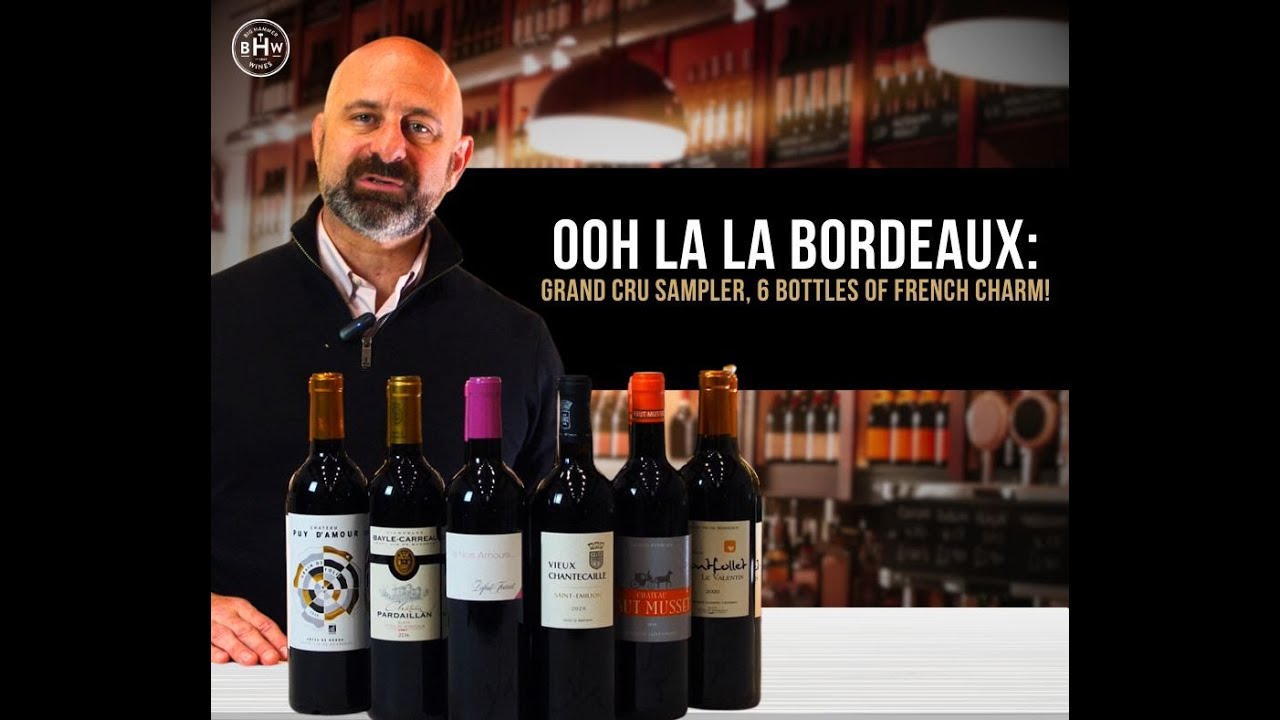
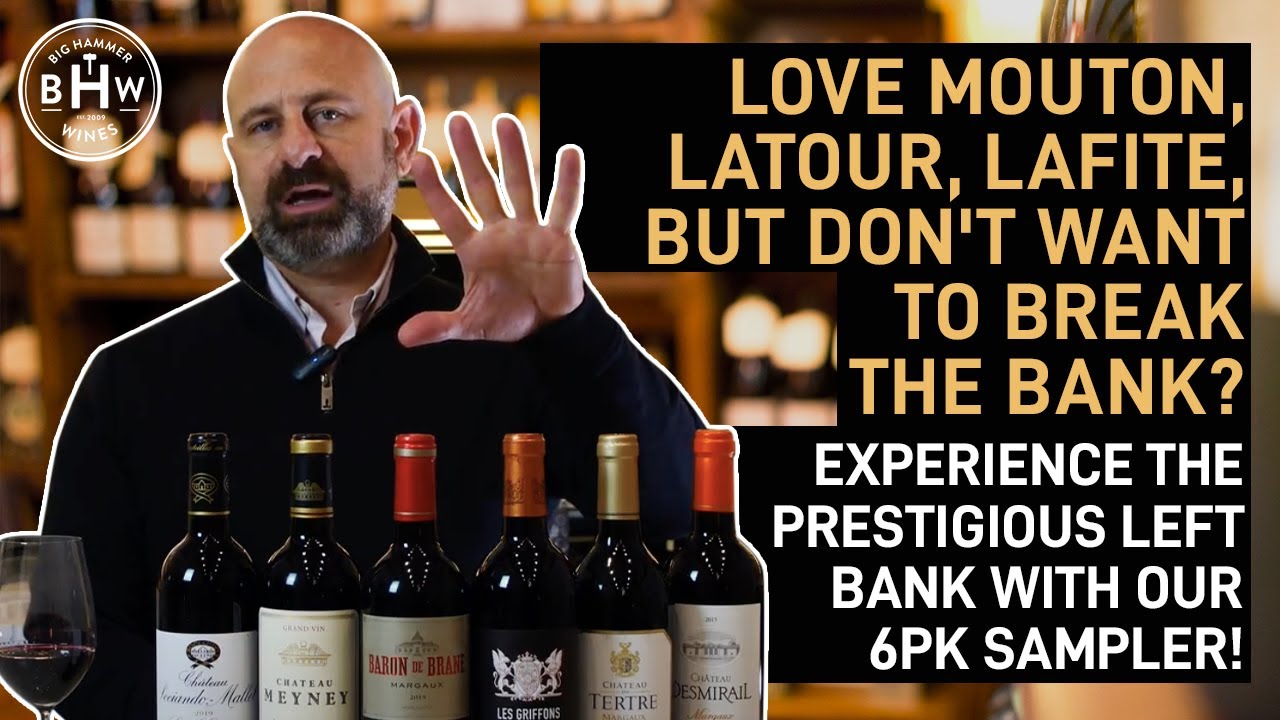
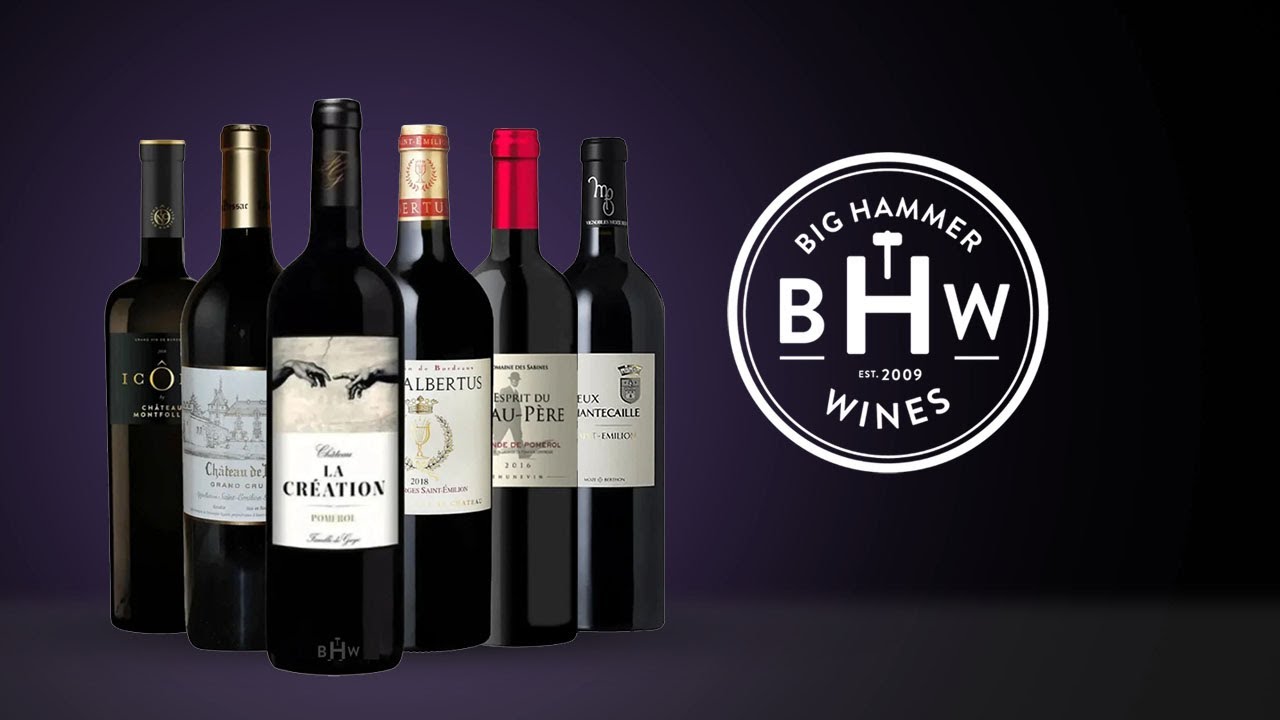
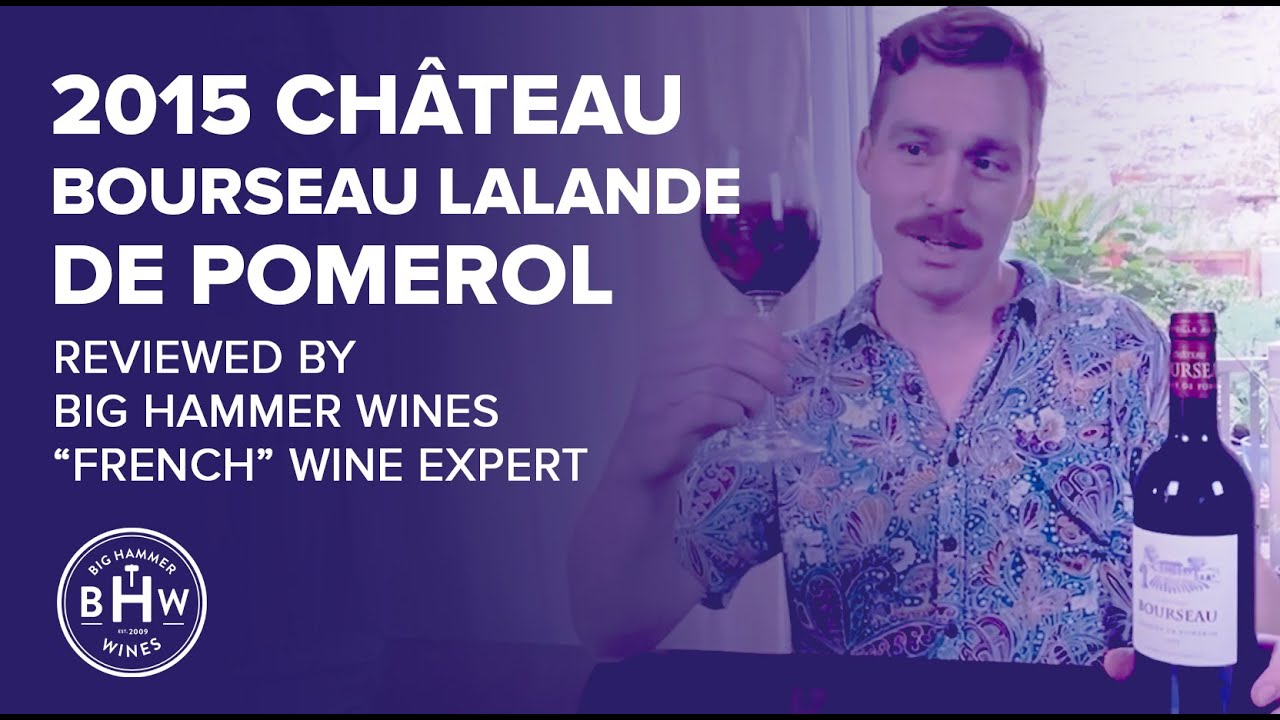
Discover wines crafted or influenced by Michel Rolland — the legendary consulting winemaker behind some of the world’s most sought-after bottles.
SHOP COLLECTIONShare:
Buying Wine Online: A Beginner’s Guide to Choosing Well
What Makes the 2021 Tuscany Vintage So Special? A Region-by-Region Breakdown
Comments Section