

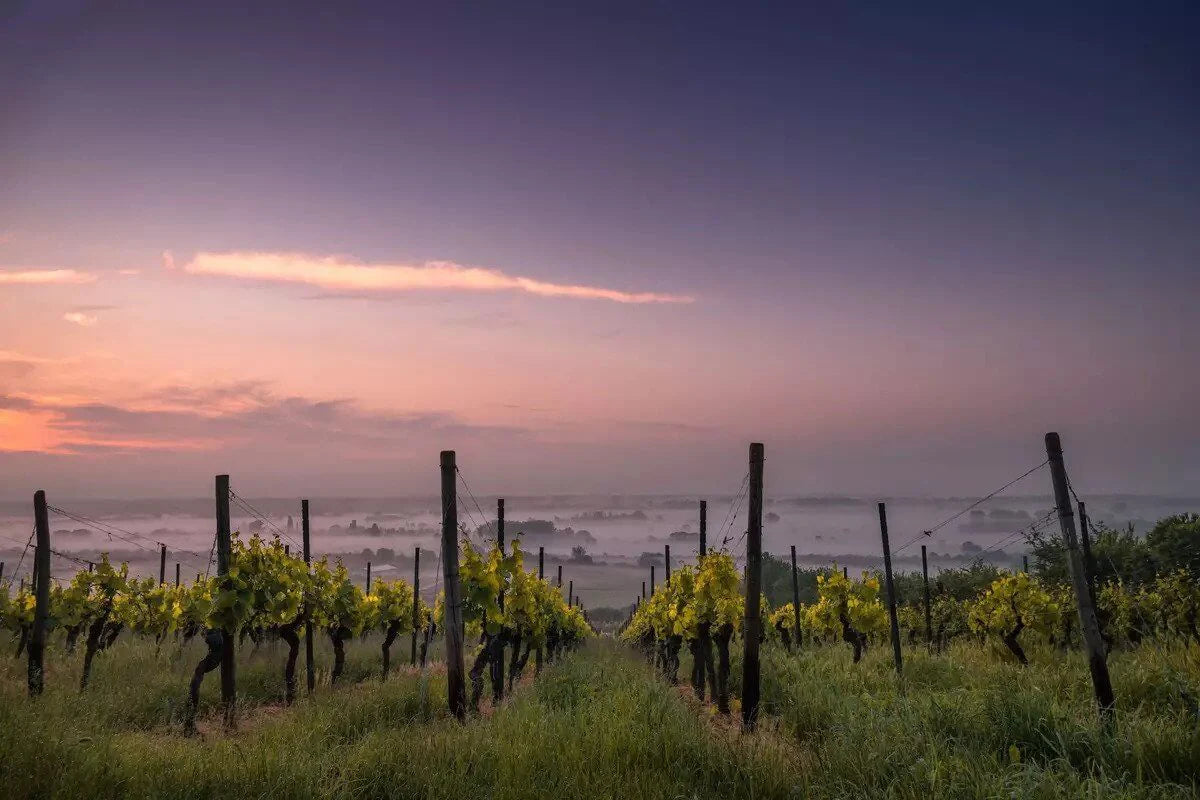

The best spring wines are light, crisp, and food-friendly. For whites, reach for Pinot Grigio, Sauvignon Blanc, Grüner Veltliner, or dry Riesling. For rosé, look to Provence or Greece.
For reds, Pinot Noir and Gamay (Beaujolais) work beautifully when served slightly chilled. These styles all share high acidity, moderate alcohol, and flavors — citrus, floral, mineral — that mirror the season's fresh energy.

Key Takeaways
- Acidity is your friend in spring: High-acid whites and rosés cut through lighter spring dishes and taste refreshing outdoors.
- Go light on reds: Pinot Noir and Gamay replace heavier Cabernets and Syrahs — try them lightly chilled at 58–62°F.
- Rosé is not a compromise: Dry, structured rosés from Provence or Greece are serious wines that pair with everything from grilled fish to mezze platters.
- Serve whites colder, reds cooler: Whites at 45–50°F, light reds at 55–62°F — room temp is too warm for spring drinking.
- Easter and brunch call for bubbles: Prosecco and dry Champagne are universally food-friendly and always appropriate at a spring table.
Why Spring Calls for a Different Kind of Wine
There's a moment every year — the first genuinely warm afternoon — when a glass of heavy red Cabernet just doesn't feel right anymore. Spring doesn't demand a massive wine. It asks for something alive.
Longer days, lighter meals, fresh herbs from the market, grilled fish on the patio — these moments call for wines with brightness and energy. Crisp acidity, lower tannins, floral aromatics. The kind of bottle that plays well with food and still tastes great on its own.
This guide covers the best spring wine styles and specific bottles worth tracking down — whether you're planning Easter brunch, a picnic, or just a Tuesday evening on the deck.
The Best White Wines for Spring

Pinot Grigio — The Default Done Right
Most Pinot Grigio is forgettable. The better examples — especially from northeastern Italy's Alto Adige or Friuli — are genuinely delicious: crisp green apple, citrus peel, subtle almond finish. Light-bodied, dry, clean.
Pair it with: grilled shrimp, light pasta dishes, goat cheese, and spring vegetable risotto. The wine's bright acidity lifts delicate seafood flavors without overwhelming them.
Sauvignon Blanc — Herb-Forward and Versatile
Loire Valley Sauvignon Blanc (Sancerre, Pouilly-Fumé) brings a grassy, minerally character that pairs brilliantly with asparagus, fresh herb sauces, and anything from the sea. New Zealand versions lean more tropical — both styles work at a spring table.
Pair it with: asparagus, seafood, green salads, fresh chèvre.
Grüner Veltliner — The Underdog Worth Knowing
Austria's signature white is one of the most food-friendly wines on the planet. White pepper spice, citrus zest, clean minerality. It handles vegetables and herbs with ease — dishes that challenge most other whites.
Pair it with: spring vegetable dishes, schnitzel, fish, spiced mezze.
Dry Riesling — Misunderstood and Magnificent
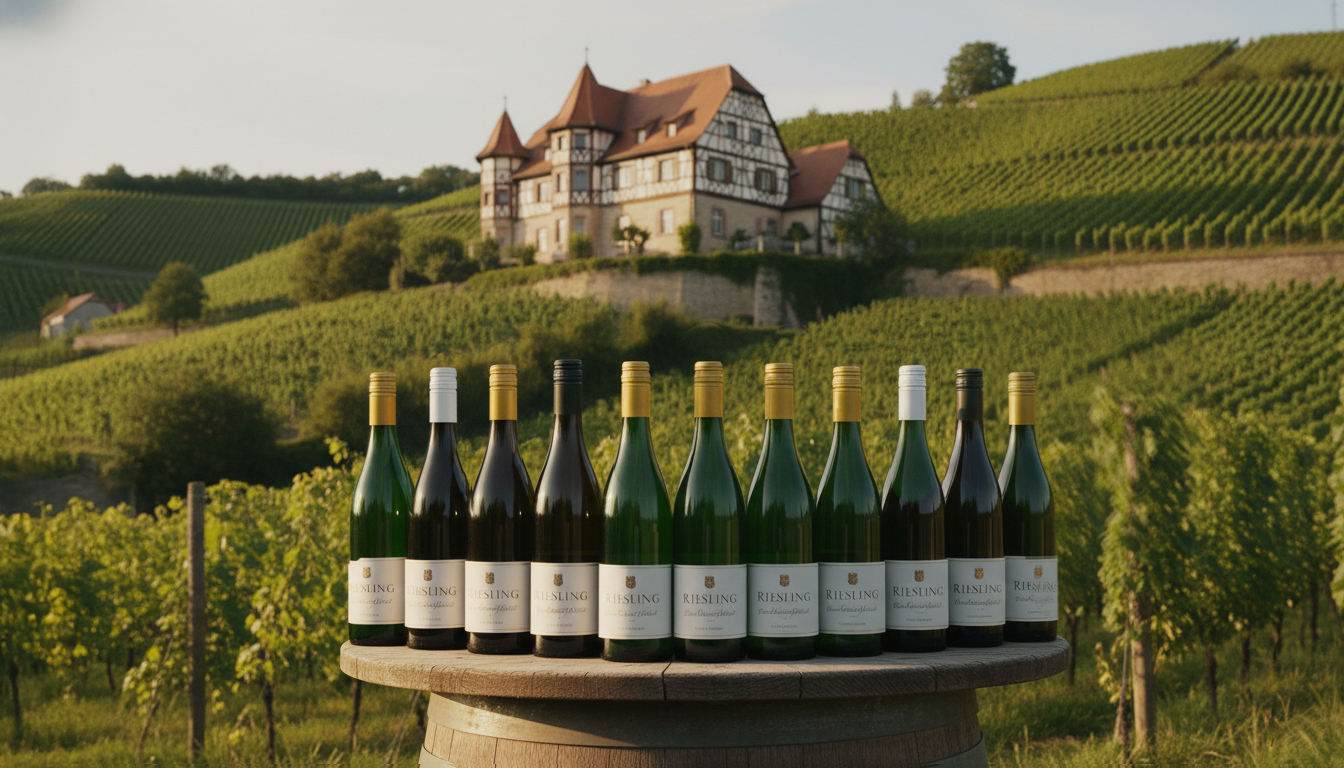
Dry Riesling from Alsace, Germany's Mosel, or the Finger Lakes delivers tension that few wines can match: bright acidity, green apple and lime, slate-mineral undertones. The key word is dry — check the label or ask your merchant.
Pair it with: grilled white fish, Thai-spiced dishes, pork, duck, anything with a hint of heat.
Albariño — Spring in a Glass
Spain's Rías Baixas region produces Albariño with peachy citrus aromas, saline minerality, and a clean finish. Made for seafood. One of the season's most reliable bottles.
Pair it with: clams, oysters, ceviche, grilled fish, paella.
The Best Rosés for Spring
Provence Rosé — The Benchmark
Pale pink, bone dry, with delicate notes of strawberry, citrus, and herbs. Provence rosé is the benchmark for a reason: it's versatile, elegant, and food-friendly without being heavy. Look for bottles from appellation Côtes de Provence.
Pair it with: grilled salmon, niçoise salad, soft cheeses, charcuterie.
Greek Rosé — A Hidden Gem
Rosés made from Agiorgitiko or Xinomavro grapes offer something different: more structure, savory herbal notes, and a backbone that handles heartier food. Perfect with a mezze platter.
Pair it with: lamb chops, feta, hummus, grilled vegetables, spanakopita.
Italian Rosato — Bright and Energetic
Rosatos from southern Italy — Puglia's Negroamaro, Abruzzo's Cerasuolo d'Abruzzo — bring vivid color, cherry fruit, and lively acidity. Fantastic at a backyard gathering.
Pair it with: pizza, arancini, cured meats, light pasta.
The Best Light Reds for Spring
Pinot Noir — The Natural Choice
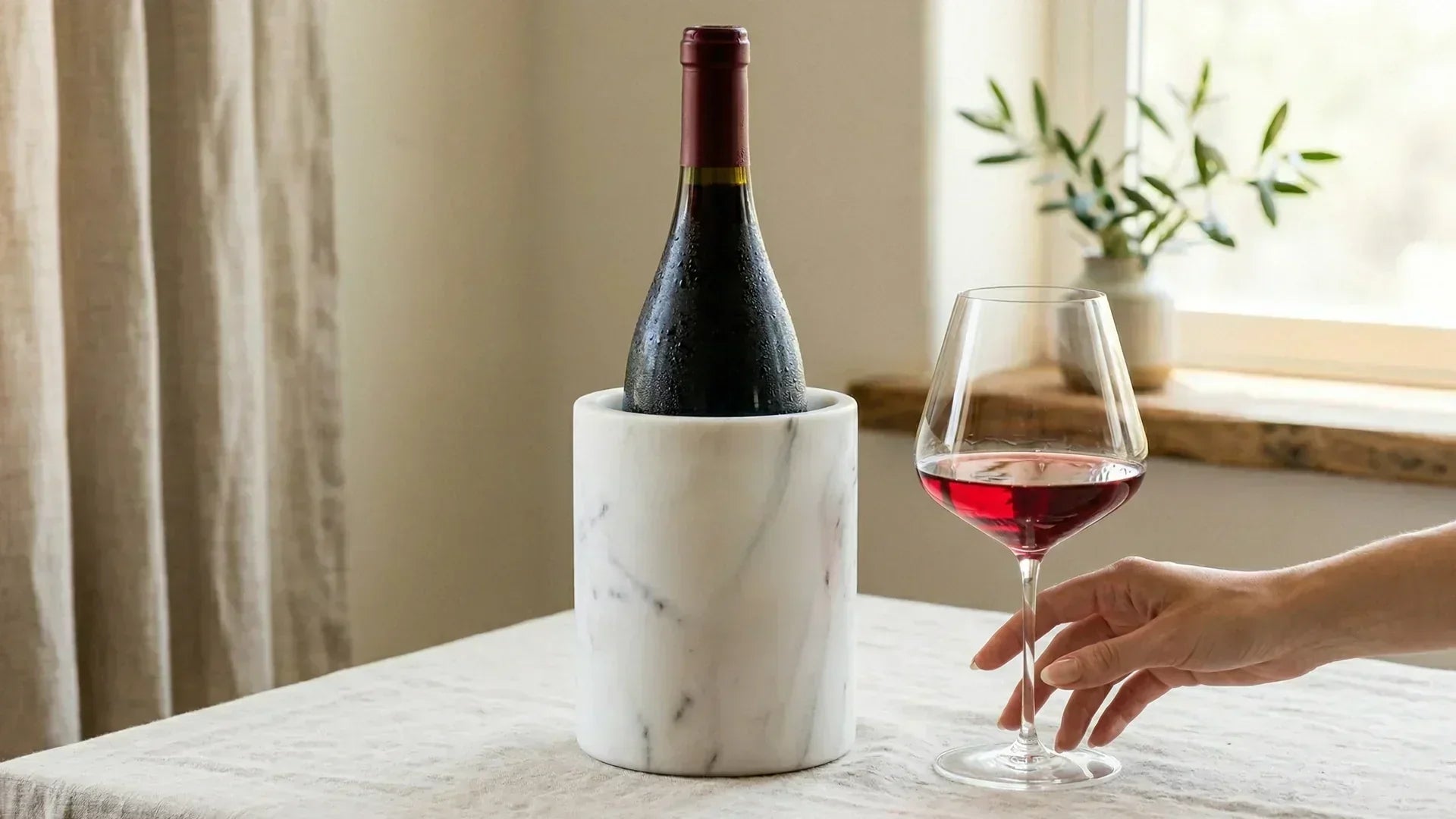
When spring calls for red, Pinot Noir answers. Lighter body, silky tannins, red fruit and earthy undertones. Serve it slightly cooler than room temperature — 58–62°F — and it transforms into one of the most food-friendly wines in the world.
Pair it with: grilled salmon, duck, mushroom dishes, Easter lamb, roasted chicken.
Gamay / Beaujolais — Refreshing and Underrated
Gamay from Beaujolais (especially the cru villages: Morgon, Fleurie, Moulin-à-Vent) is one of the great underrated wine choices for warm-weather drinking. It's juicy, low-tannin, slightly earthy — and absurdly food-friendly.
Pair it with: charcuterie, chicken, grilled mushrooms, light cheeses.
Barbera — A Little More Heft
If you want something with a bit more structure, Barbera d'Asti or Barbera d'Alba from Piedmont is a smart choice: high acidity, low tannin, deep cherry fruit. It bridges the gap between a light spring red and something with real presence.
Pair it with: pasta with tomato sauce, grilled meats, pizza, charcuterie.
Don't Sleep on Sparkling for Spring
Easter brunch, spring celebrations, outdoor dinners — few wines serve as well as good sparkling wine. Prosecco is the easy crowd-pleaser: light, slightly floral, perfect with antipasto or brunch dishes. For something with more depth and texture, reach for a grower Champagne or a quality Crémant.
Pair it with: eggs Benedict, prosciutto, fruit, raw bar, smoked fish, oysters.
Spring Wine Pairing Quick-Reference Table
How to Choose Your Spring Wine: A Simple Framework
Step 1 — What's the occasion?
- Brunch or Easter gathering → Sparkling (Prosecco, Crémant, Champagne) or dry rosé
- Picnic or outdoor casual → Crisp white (Pinot Grigio, Sauvignon Blanc) or light red (Gamay)
- Seafood-forward dinner → Albariño, dry Riesling, or Provence rosé
- Meat or heartier spring dishes → Pinot Noir, Barbera, or structured Greek rosé
Step 2 — What temperature will you be drinking it at?
- Outdoors in the heat → Go crisper and lower alcohol; avoid heavy, tannic reds
- Evening dinner → You can lean a bit richer: Pinot Noir, structured rosé, even a light Barbera
Step 3 — Who's at the table?
- Mixed crowd with varied preferences → Bubbles or rosé rarely offend anyone
- Wine lovers who want something interesting → Grüner Veltliner, Grower Champagne, Cru Beaujolais
- Guests who stick to one style → Let them stay there; have a second bottle of something different for the table
Explore spring-ready bottles in the BHW New Arrivals collection — curated selections updated regularly.
Mini Glossary: Spring Wine Terms Worth Knowing
Acidity: The tartness or crispness in wine — higher acidity makes wines feel refreshing and food-friendly. Spring wines typically lead with it.
Dry: A wine with no perceptible residual sugar. 'Dry rosé' and 'dry Riesling' mean the sweetness has fully fermented out.
Tannin: The grippy, drying sensation from grape skins and seeds — mostly in red wines. Spring drinking favors low-tannin reds like Pinot Noir and Gamay.
Terroir: The combination of soil, climate, and geography that gives a wine its distinctive character. A Sancerre tastes different from a Marlborough Sauvignon Blanc because of terroir.
Cru Beaujolais: The ten named villages in Beaujolais (Morgon, Fleurie, Moulin-à-Vent, etc.) that produce the region's most serious wines — a step above standard Beaujolais Nouveau.
Rosato: Italian term for rosé. Often bolder and more fruit-forward than Provence-style rosés.
Grower Champagne: Champagne made and bottled by the grower who tends the vines, rather than a large house. Typically more distinctive and terroir-driven.
Residual Sugar (RS): The sugar left in wine after fermentation. The key to understanding how sweet or dry a Riesling actually is.
Frequently Asked Questions
1. What are the best wines for spring?
The best spring wines prioritize freshness over weight: crisp whites like Pinot Grigio, Sauvignon Blanc, and dry Riesling; dry rosés from Provence or Greece; and light-bodied reds like Pinot Noir and Gamay served slightly cooler than room temperature. High acidity and moderate alcohol are the common threads.
2. What wine is best for a spring picnic?
For a picnic, you want something crowd-pleasing, food-friendly, and easy to drink outdoors. Sauvignon Blanc, Pinot Grigio, and dry rosé all work well. A lightly chilled Gamay is also a great outdoor red option — lower tannin, refreshing, and unfussy.
3. What wine pairs best with Easter dinner?
It depends on the main dish. For Easter lamb, Pinot Noir or a structured rosé is the classic match. For ham or pork, dry Riesling or Grüner Veltliner is excellent. For a seafood-focused Easter brunch, Champagne, Crémant, or Albariño are all smart choices.
4. Is rosé a good spring wine?
Absolutely — dry rosé is one of the most versatile spring wines available. The key word is dry. Provence rosé, Greek rosé, and Italian rosato all bring structure and food-pairing flexibility that goes well beyond lighter occasions.
5. What temperature should I serve spring wines?
Crisp whites: 45–50°F. Rosé: 48–52°F. Light reds like Pinot Noir and Gamay: 55–62°F. Sparkling wines: 40–46°F. A good rule: if you're outdoors in warm weather, serve everything about 5°F cooler than you normally would — it will warm up in the glass quickly.
6. What light red wines are good for spring?
Pinot Noir and Gamay (Beaujolais) are the two go-to spring reds. Both are low in tannin, high in acidity, and pair with a wide range of spring dishes. Barbera is a solid third option when you want a bit more structure. Serve all of them slightly chilled.
7. Is Pinot Grigio a good spring wine?
Yes — quality Pinot Grigio from Alto Adige or Friuli in northeastern Italy is crisp, dry, and food-friendly. Avoid the mass-market versions, which tend to be thin and flavorless. The better examples offer citrus, green apple, and a subtle mineral finish.
8. What's a good spring wine for outdoor dining?
For outdoor dining, focus on high-acid, lower-alcohol wines that stay refreshing as temperatures rise: Albariño, Grüner Veltliner, dry rosé, or a chilled Gamay. These styles also tend to pair well with the lighter, herb-forward dishes that go onto the grill in spring.
9. What is Grüner Veltliner and why is it good for spring?
Grüner Veltliner is Austria's signature white grape. The wines are dry and refreshing with a distinctive white pepper spice and citrus character. They're exceptionally versatile with food — particularly vegetables and herbs — making them ideal for the lighter, produce-driven cooking of spring.
10. Can I drink Champagne in spring?
Champagne is appropriate any time of year, but spring celebrations — Easter, Mother's Day, graduation dinners — are natural occasions for it. A non-vintage Brut is the most versatile choice. If you want something equally festive at a lower price, quality Crémant d'Alsace or Crémant de Bourgogne deliver comparable character.
11. What rosé wine is best for spring?
For a benchmark dry rosé, start with Provence (appellation Côtes de Provence). For something with more structure and food-pairing range, try a Greek rosé made from Agiorgitiko or Xinomavro. For a more affordable and lively option, Italian rosato from Puglia or Abruzzo is an excellent value.
12. How do I build a spring wine list for a party?
Cover three bases: one crisp white, one dry rosé, one light red or sparkling. That trio handles almost any spring crowd. A good framework: Sauvignon Blanc or Pinot Grigio for whites, Provence rosé as the safe middle ground, and a Pinot Noir or Prosecco to round it out.
Not sure which style fits you best? Browse the BHW Best Sellers — a quick shortcut to what's proven and popular.
Savor the Season with Spring Wines
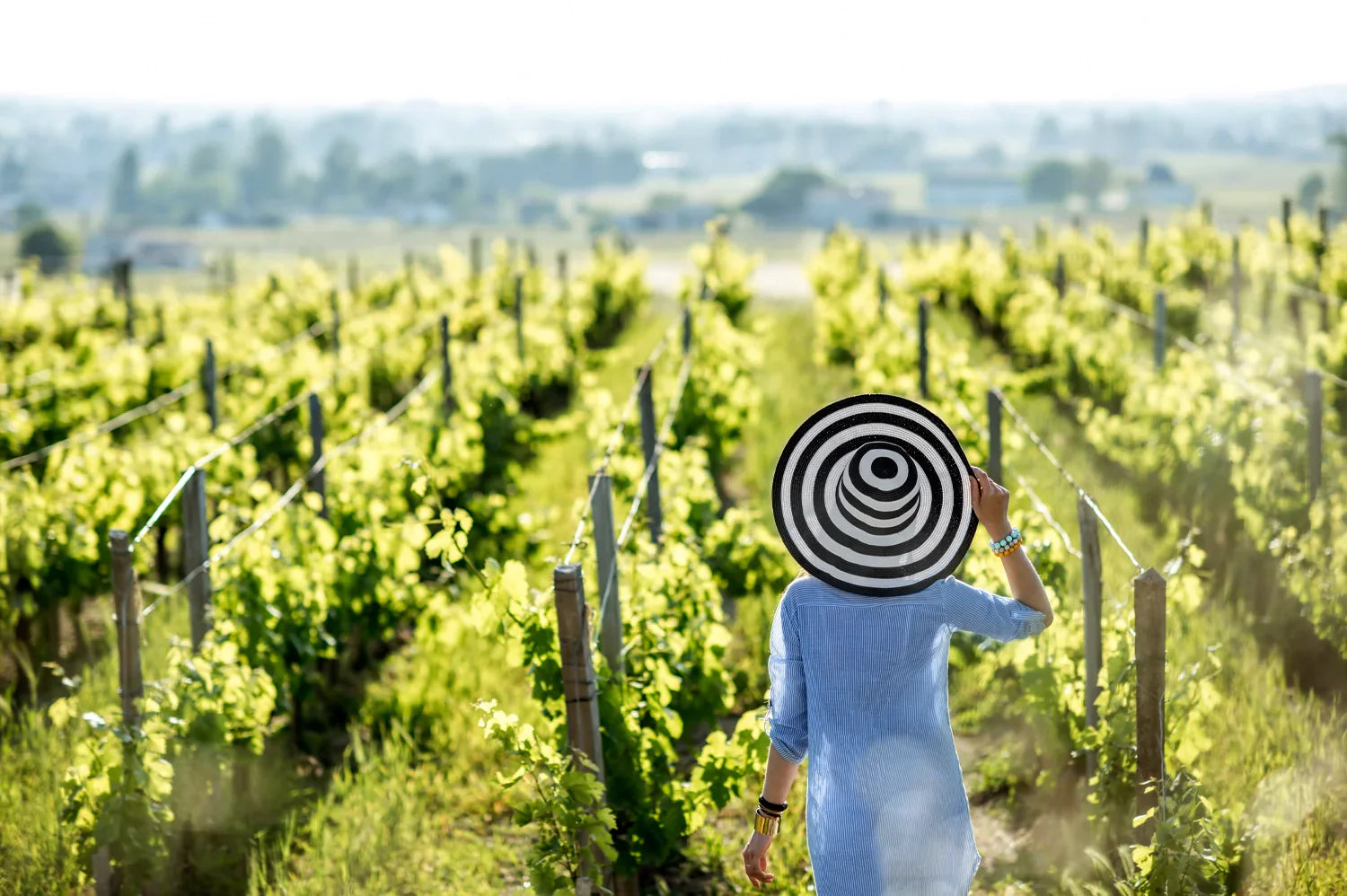
Spring is a time of renewal—longer days, fresh flavors, and new opportunities to gather and celebrate. The best spring wines should reflect this energy, offering bright, crisp, and refreshing options that pair beautifully with the lighter dishes we start to crave.
Whether you're sipping a zesty Pinot Grigio on a sunny afternoon, enjoying a glass of Greek Rosé with a mezze platter, or indulging in a bold Cabernet with a juicy burger, there’s a perfect bottle for every springtime occasion. With so many excellent spring wines to choose from, now is the perfect time to explore new flavors and embrace the season with every sip.
Browse our curated Spring Wines collection and find the perfect bottle for your next gathering!
Cheers to warmer days, fresh flavors, and great spring wines!













































Browse our curated Spring Wines collection and find the perfect bottle for your next gathering!
SHOP COLLECTIONShare:
The Fake on Your Plate — and in Your Glass
The Biggest Myth About Old Wine
Comments Section