


Key Takeaways
- Bordeaux bottles (high shoulders) = bold, structured wines with dark fruit, firm tannins, and oak influence—think blackcurrant, cedar, and tobacco
- Burgundy bottles (sloped shoulders) = elegant, lighter-bodied wines with red fruit, earthiness, and subtle complexity—cherry, mushroom, and mineral notes
- Alsace/German bottles (tall and slim) = aromatic whites with floral perfume, stone fruit, and acidity ranging from razor-sharp dry to honeyed sweet
- Champagne bottles (thick glass, deep punt) = sparkling wines with toast, brioche, citrus, and apple flavors, from bone-dry Brut to sweeter Demi-Sec
- Provence bottles (curved silhouette) = pale, dry rosés with delicate strawberry, white peach, and herbal notes—crisp and refreshing
Why Wine Bottles Have Different Shapes
Walk into any wine shop, and you'll notice bottles aren't all created equal. Some stand tall and slender. Others are squat with broad shoulders. This isn't marketing—it's history, function, and tradition baked into glass.
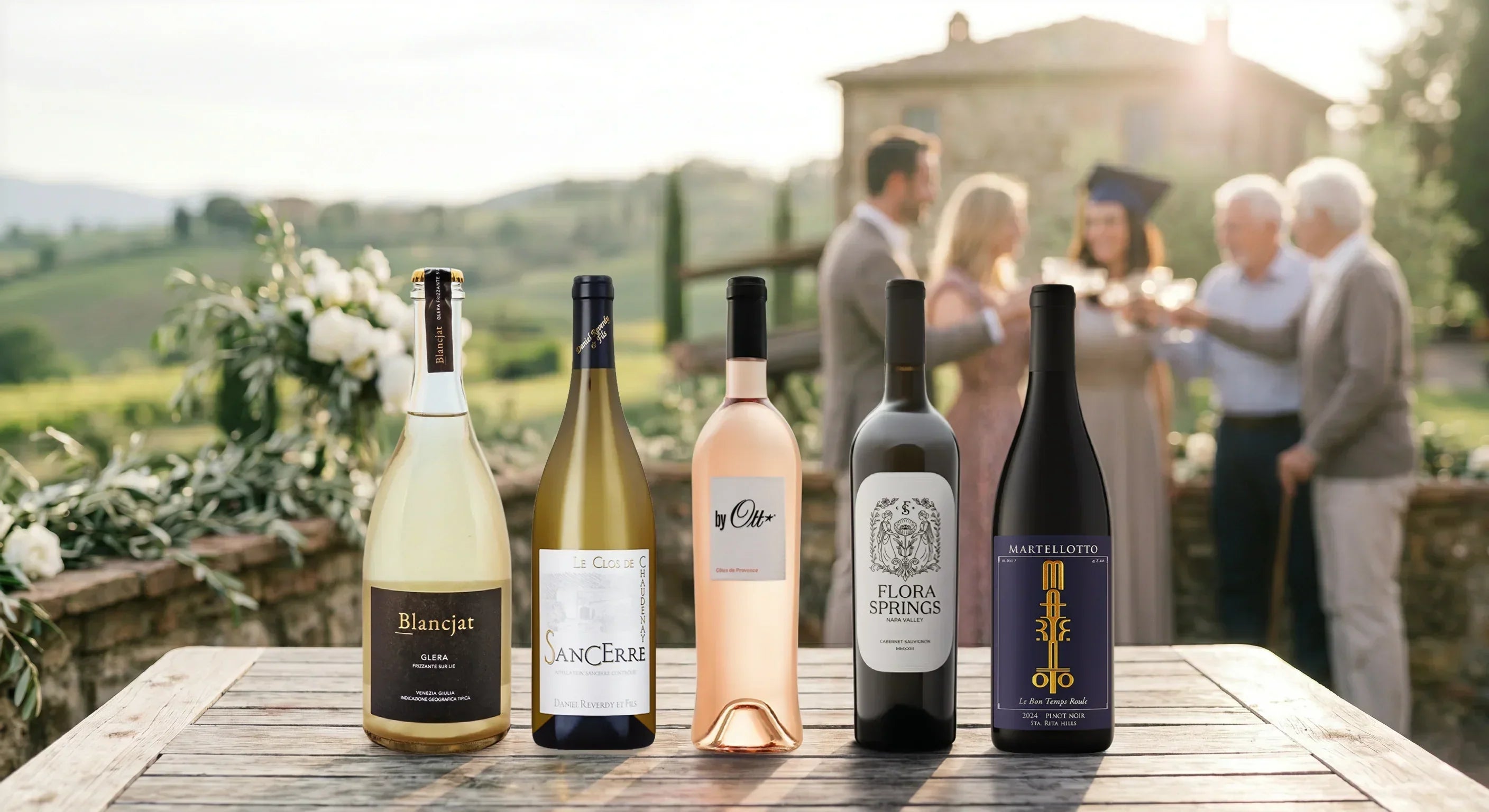
Wine regions developed distinctive bottle shapes centuries ago, and those shapes became synonymous with the wines inside. Today, winemakers worldwide use these shapes as visual shorthand: when you see a Bordeaux-style bottle, you can reasonably expect a certain type of wine—and a certain flavor profile—regardless of where it was made.
Understanding bottle shapes gives you a practical advantage. You can scan a shelf and immediately narrow your options, predict what a wine might taste like, identify wine styles at restaurants without detailed descriptions, and impress yourself with how much you already know about a bottle before the cork comes out.
The Six Main Wine Bottle Shapes

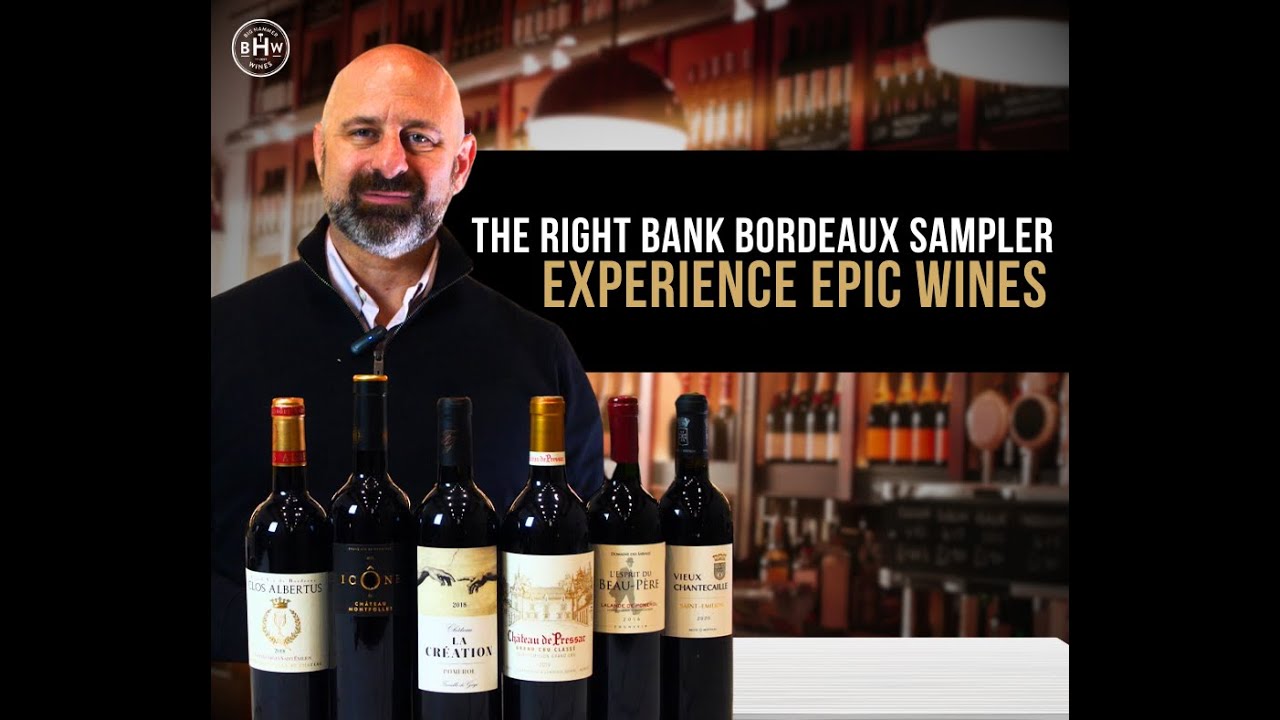
1. The Bordeaux Bottle
Identifying features: Straight sides, high angular shoulders, medium height
The Bordeaux bottle is arguably the most widely used wine bottle in the world. Its high shoulders aren't just aesthetic—they were designed to catch sediment when pouring aged wines, preventing it from reaching your glass. This practical feature made the shape ideal for wines meant for long-term cellaring.
What's typically inside: Cabernet Sauvignon, Merlot, Cabernet Franc, Malbec, and Bordeaux-style blends. Also used for Sauvignon Blanc and Sémillon whites. Many New World producers use this shape for their structured reds.
What to expect on the palate: Bold, full-bodied wines with firm tannins and good structure. Reds typically show blackcurrant, plum, and dark cherry fruit, often layered with cedar, tobacco, graphite, and vanilla from oak aging. These are wines built for food—especially grilled red meats and rich stews. White Bordeaux-style wines (Sauvignon Blanc/Sémillon) tend toward citrus, green apple, and herbaceous notes, sometimes with waxy texture from oak.
2. The Burgundy Bottle
Identifying features: Wider body, gently sloped shoulders, slightly taller than Bordeaux
The graceful slope of a Burgundy bottle tells you to expect elegance over power. Pinot Noir and Chardonnay—Burgundy's signature grapes—typically don't throw heavy sediment, so the sharp shoulders weren't necessary. The shape became associated with more delicate, nuanced wines.
What's typically inside: Pinot Noir, Chardonnay, Gamay (Beaujolais). Also adopted globally for these varieties and wines aiming for similar profiles.
What to expect on the palate: Elegance and complexity over sheer power. Pinot Noir delivers red fruit—cherry, raspberry, strawberry—alongside earthy notes like mushroom, forest floor, and subtle spice. The tannins are typically silky rather than gripping. Chardonnay from Burgundy-style bottles ranges from lean and mineral (unoaked) to rich and buttery (barrel-aged), with apple, pear, citrus, and sometimes hazelnut or brioche notes. Gamay (Beaujolais) bursts with fresh red fruit and can have a distinctive banana-bubblegum note.
3. The Alsace (Flute) Bottle
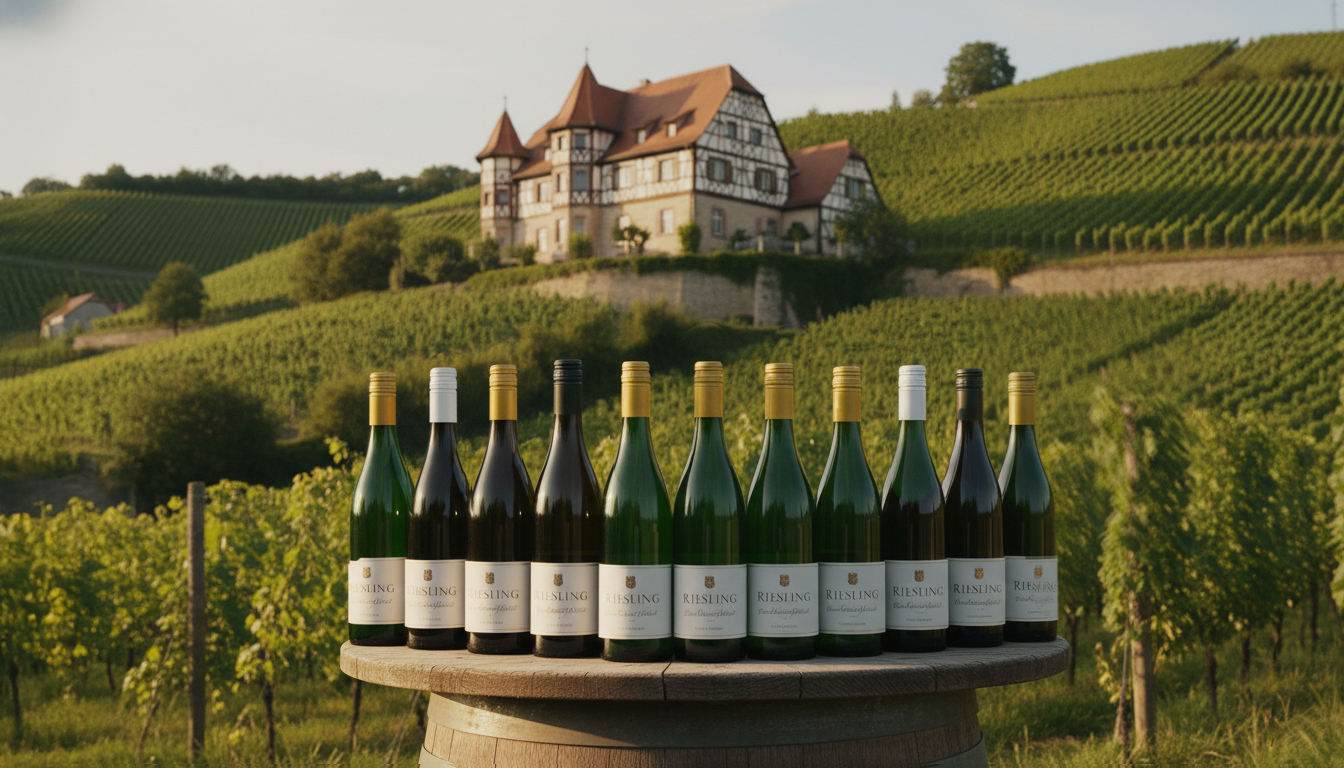
Identifying features: Tall, slender, minimal shoulder slope, elegant proportions
The distinctive tall, narrow profile of the Alsace bottle (also called a flute) instantly signals aromatic white wine. This shape likely evolved for practical shipping along the Rhine River—slender bottles packed more efficiently on boats.
What's typically inside: Riesling, Gewürztraminer, Pinot Gris, Pinot Blanc. German wines use a similar shape, with green glass typically indicating wines from the Mosel region and brown glass from the Rhine.
What to expect on the palate: Highly aromatic wines with pronounced floral and fruit character. Alsatian Riesling tends toward dry with lime, green apple, white peach, and a distinctive petrol note as it ages—plus racy, mouth-watering acidity. German Riesling ranges from bone-dry (Trocken) to lusciously sweet (Spätlese, Auslese), always with vibrant acidity to balance. Gewürztraminer explodes with lychee, rose petal, ginger, and exotic spice—fuller-bodied and often off-dry. Pinot Gris delivers pear, honey, and smoke. These wines are perfect with spicy Asian cuisine, rich pâtés, or creamy cheeses.
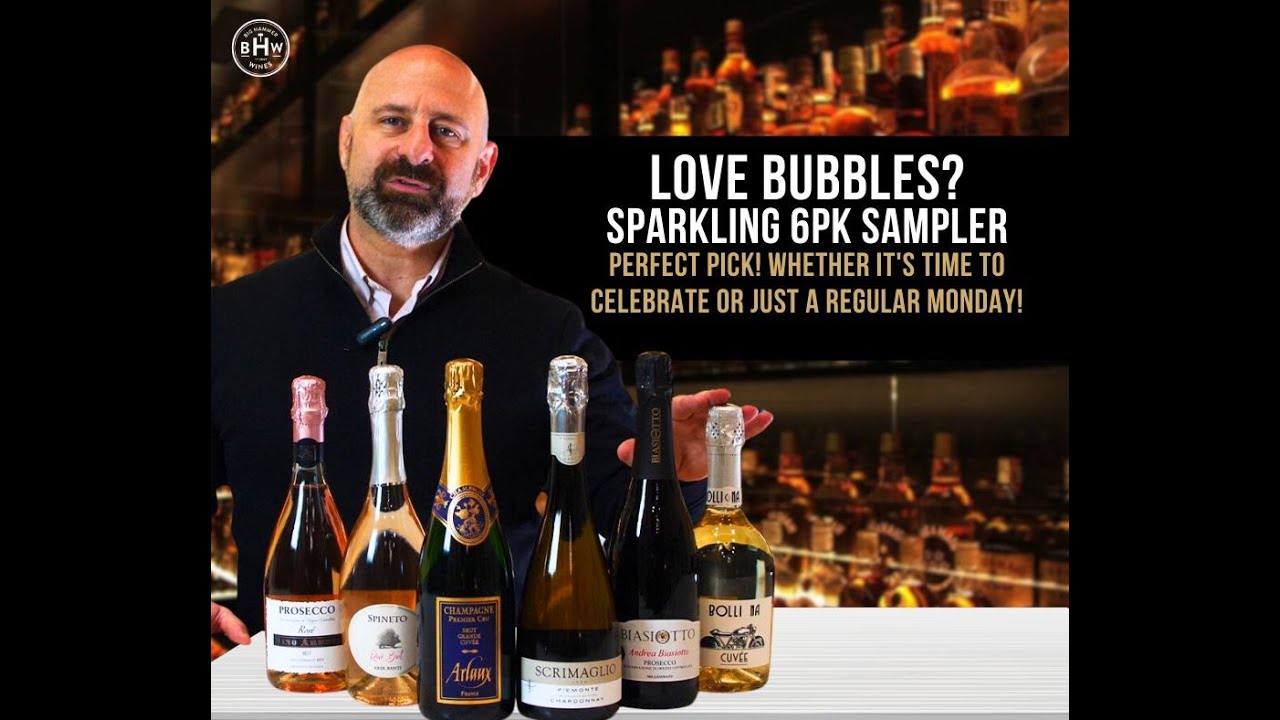
4. The Champagne Bottle
Identifying features: Heavy, thick glass; pronounced punt (indentation); sloped shoulders; reinforced lip
Champagne bottles are engineered for pressure. Sparkling wine generates around 90 PSI inside the bottle—roughly three times the pressure in a car tire. The thick glass and deep punt distribute this force safely. The sloped shoulders come from the Champagne region's Burgundian roots.
What's typically inside: Champagne, Crémant, Cava, Prosecco, and other traditional-method sparkling wines.
What to expect on the palate: Fine, persistent bubbles and lively acidity define the experience. Traditional-method Champagne and Crémant offer toasty, biscuity notes from yeast aging (brioche, fresh bread, almond), layered with citrus, green apple, and white flowers. Aged Champagnes develop honeyed, nutty complexity. Prosecco is fresher and fruitier—green apple, pear, white peach—with softer bubbles. Cava often splits the difference, showing apple and citrus with subtle toast. Sweetness ranges from Brut Nature (bone dry) through Extra Brut, Brut, Extra Dry, and Demi-Sec (noticeably sweet).
5. The Port Bottle
Identifying features: Similar to Bordeaux but with a distinctive bulge in the neck
The bulge near the neck of a Port bottle serves as a sediment trap. Vintage Ports throw considerable sediment as they age for decades, and this design feature helps keep it contained when decanting. It's a small detail with significant practical value.
What's typically inside: Port (Tawny, Ruby, Vintage, LBV) and occasionally other fortified wines.
What to expect on the palate: Rich, sweet, and warming—Port is fortified with grape spirit, stopping fermentation and leaving residual sugar. Ruby Port bursts with fresh red and black fruit—cherry, blackberry, plum—and chocolate notes. Tawny Port, aged in barrel, develops caramel, toffee, dried fruit, and nutty character—think walnut, hazelnut, and butterscotch. Vintage and Late Bottled Vintage (LBV) Ports are bigger and more complex, with dark fruit, spice, and chocolate evolving over years. White Port exists too—ranging from dry (great with tonic) to sweet. All Ports hover around 19-22% alcohol, so they're best enjoyed in smaller pours after dinner or with strong cheeses and chocolate desserts.
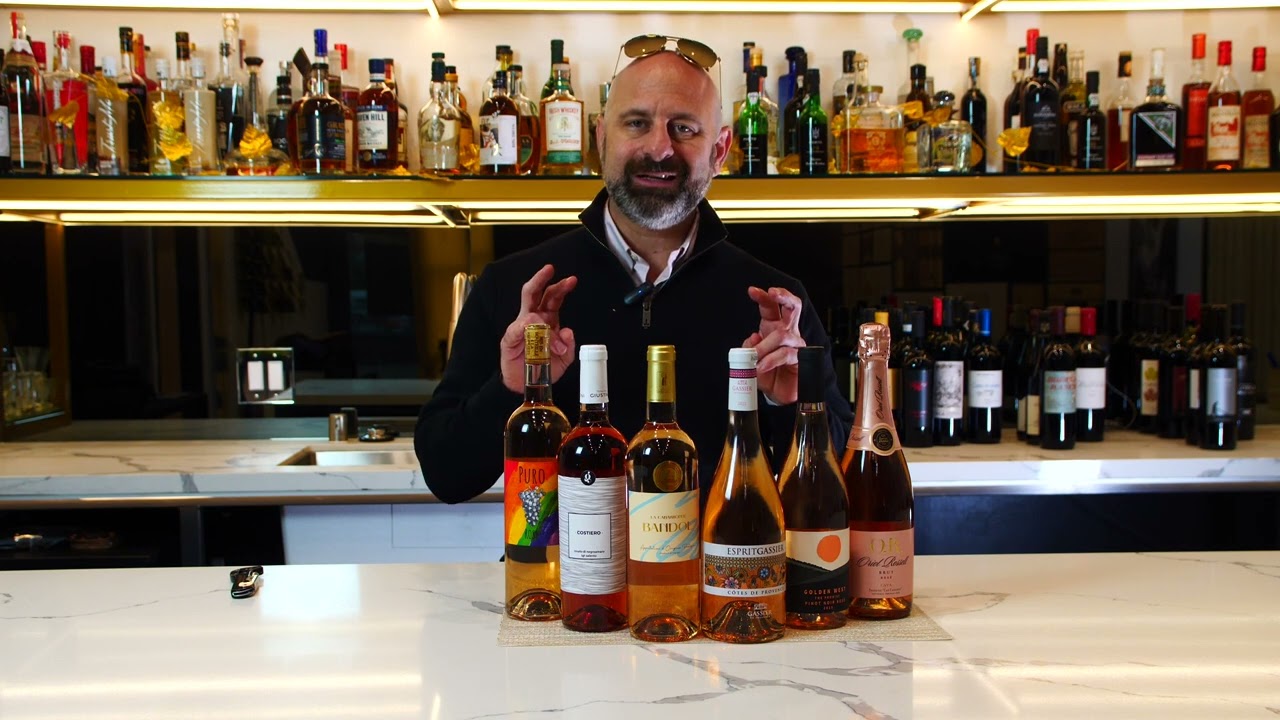
6. The Provence (Côtes de Provence) Bottle
Identifying features: Bowling pin or amphora shape; curved, feminine silhouette; sometimes flattened sides
The distinctive Provence bottle shape has become synonymous with premium rosé. Its curvaceous profile stands out on any shelf and has helped establish Provence rosé as a category unto itself. The shape is pure branding—there's no functional reason for it.
What's typically inside: Provençal rosé, typically dry and pale pink, made from Grenache, Cinsault, Mourvèdre, and other southern French varieties.
What to expect on the palate: Pale, dry, and supremely refreshing. Provençal rosé is meant for warm-weather drinking—think seaside lunches and sunset aperitifs. Expect delicate flavors of fresh strawberry, white peach, and watermelon, often with subtle hints of citrus zest, white flowers, and Mediterranean herbs like lavender or garrigue. The finish is typically crisp and mineral, with mouthwatering acidity that makes you reach for another sip. These are not bold, fruity rosés—they're restrained, elegant, and food-friendly, perfect with seafood, salads, and light Mediterranean fare.
Wine Bottle Shape Comparison Chart

Quick Guide: Bottle Shape → Flavor Expectations
Use this cheat sheet when you're scanning a wine wall and want to quickly predict what's in the glass:

How to Use Bottle Shapes When Shopping
Here's a simple framework for using bottle shapes to guide your wine selection:
- Scan the shelf by shape first. Before reading labels, look at silhouettes. Narrow down to bottles that match the flavor profile you're craving.
- Match shape to occasion. Hosting a steak dinner? Look for Bordeaux shapes and expect bold tannins. Summer lunch? The tall Alsace bottles (aromatic, crisp) or curvy Provence bottles (dry rosé) point you toward lighter options.
- Use shape to verify labels. If a wine claims to be Pinot Noir but comes in a Bordeaux bottle, that's not wrong—but it signals a bolder, less traditional style than a Burgundy-bottled Pinot.
- Check glass color for sweetness clues. Brown German bottles often indicate Rhine wines (fuller, sometimes off-dry). Green suggests Mosel (lighter, crisper). Clear glass usually means drink now.
- Trust the shape for food pairing. Bordeaux shapes with grilled meats. Burgundy shapes with roasted poultry. Alsace bottles with spicy cuisine. Provence with seafood. The traditions evolved around food for good reason.
What Bottle Shape Won't Tell You
Bottle shape is useful shorthand, but it has limits. It won't tell you about wine quality—cheap and expensive wines use identical bottles. It won't guarantee specific flavors, since winemaking decisions matter more than glass shape. And increasingly, innovative producers deliberately break conventions, using unexpected bottle shapes to signal a modern approach.
Think of bottle shape as the first filter in your selection process, not the final word. It gets you in the right neighborhood; the label, vintage, and producer tell you which house to visit.
Wine Bottle Terminology

Frequently Asked Questions About Wine Bottle Shapes
1. Why are Bordeaux bottles different from Burgundy bottles?
Bordeaux bottles have high shoulders to catch sediment from tannic, age-worthy wines like Cabernet Sauvignon. Burgundy bottles have sloped shoulders because Pinot Noir and Chardonnay don't throw as much sediment. Beyond function, each shape signals a different flavor profile: bold and structured (Bordeaux) versus elegant and nuanced (Burgundy).
2. Does wine bottle shape affect wine quality?
No. Bottle shape indicates wine style and likely flavor profile, not quality. Excellent and mediocre wines come in identical bottles. The glass is a container and a signal, not a quality marker.
3. What does an Alsace bottle tell me about how the wine will taste?
Expect an aromatic white wine with pronounced floral and fruit character. Rieslings from these bottles typically have lime, green apple, and mineral notes with vibrant acidity—ranging from bone-dry to quite sweet. Gewürztraminer shows lychee, rose petal, and exotic spice. These wines excel with spicy Asian food.
4. Why are some wine bottles heavier than others?
Heavy bottles are often a marketing choice to convey premium positioning. Champagne and sparkling wine bottles are heavy for safety—they need to withstand internal pressure. For still wines, bottle weight doesn't indicate quality or how the wine will taste.
5. What's the difference between how Tawny and Ruby Port taste?
Both come in the distinctive Port bottle with the neck bulge, but they taste quite different. Ruby Port is fruit-forward—fresh cherry, blackberry, and chocolate. Tawny Port, barrel-aged longer, develops caramel, toffee, dried fruit, and nutty flavors like walnut and butterscotch. Tawny is more complex; Ruby is more immediately fruity.
6. Why are German wine bottles different colors?
Traditionally, brown bottles indicate wines from the Rhine region (often fuller-bodied, sometimes off-dry), while green bottles signal Mosel wines (typically lighter, crisper, with racy acidity). This color coding helps identify regional origin and gives you a flavor hint, though modern producers don't always follow this convention.
7. What should I expect from a wine in a Provence-shaped bottle?
Dry, pale rosé with delicate flavors. Expect fresh strawberry, white peach, and watermelon notes, often with hints of citrus, white flowers, and Mediterranean herbs. The finish is crisp and mineral, not sweet or fruity like some New World rosés. These wines are meant for warm-weather sipping with light food.
8. What bottle shape is best for Pinot Noir?
Burgundy bottles (sloped shoulders) are traditional for Pinot Noir and signal the classic style: lighter body, red fruit, earthy notes, silky tannins. If you see Pinot Noir in a Bordeaux bottle, expect a bolder, more extracted style—still Pinot Noir, but with different flavor emphasis.
9. How does Champagne taste different from Prosecco?
Both come in similar heavy bottles, but the wines differ significantly. Champagne (traditional method) has fine bubbles and toasty, biscuity notes—brioche, citrus, almond—from yeast aging. Prosecco (tank method) is fresher and fruitier—green apple, pear, white peach—with softer bubbles. Champagne is complex and food-worthy; Prosecco is bright and aperitif-friendly.
10. Do all Rieslings taste the same?
No, and bottle details offer clues. German Rieslings range from bone-dry (look for "Trocken") to lusciously sweet (Spätlese, Auslese). Alsatian Rieslings are typically dry with a distinctive petrol note as they age. All share vibrant acidity, but sweetness levels vary dramatically—always check the label or ask.
11. What's the difference between a Champagne bottle and a Crémant bottle?
Both use similar pressure-resistant shapes and traditional-method production, so they taste quite similar: toasty, yeasty, with citrus and apple notes. Crémant (from regions like Alsace, Loire, or Burgundy) typically costs less than Champagne while offering comparable quality and flavor profiles.
12. Should I judge a wine by its bottle?
Use the bottle shape as a starting point to predict flavor profile, not as a final judgment. It tells you the wine's likely style—bold versus elegant, aromatic versus structured, dry versus sweet. Quality, however, requires tasting or trusting reviews and recommendations.
Ready to Explore?
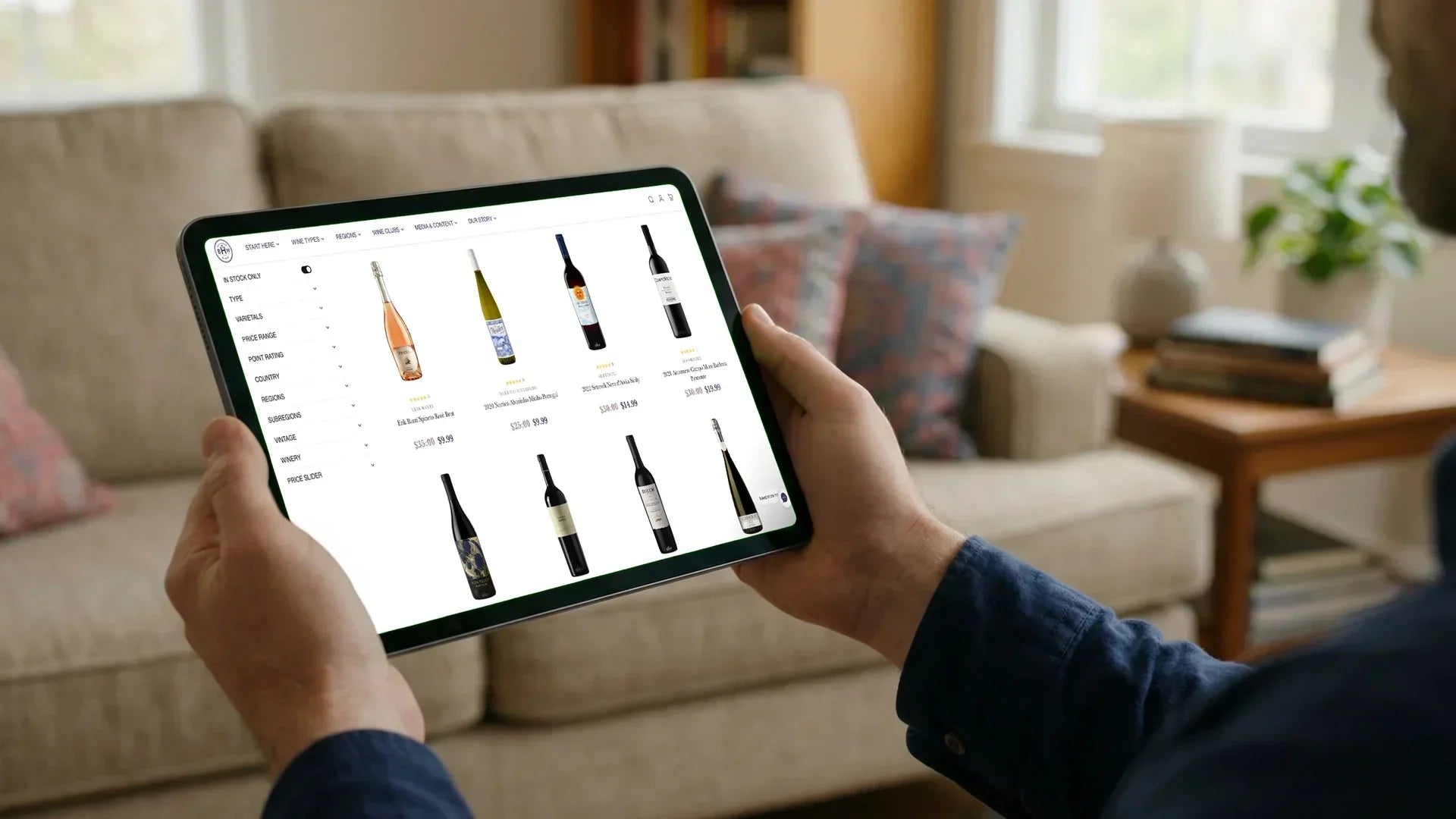
Now that you can read wine bottles like a pro, put your knowledge to work. Browse our curated selection and see how quickly you can spot the Burgundies from the Bordeaux—and predict what each will taste like before you buy.
- Explore our wine collection when you're ready to shop
- Want curated recommendations? Apply for Text2Sip for insider picks and early access
- New to wine? Start with our Wine Basics guides for more fundamentals
Planning a meal? Check out our Food & Wine Pairing guides for perfect matches.























Share:
What Does Wine Color Tell You? A Visual Guide to Reading Your Glass
Wine Market Trends: There’s Never Been a Better Time to Be a Wine Lover
Comments Section