

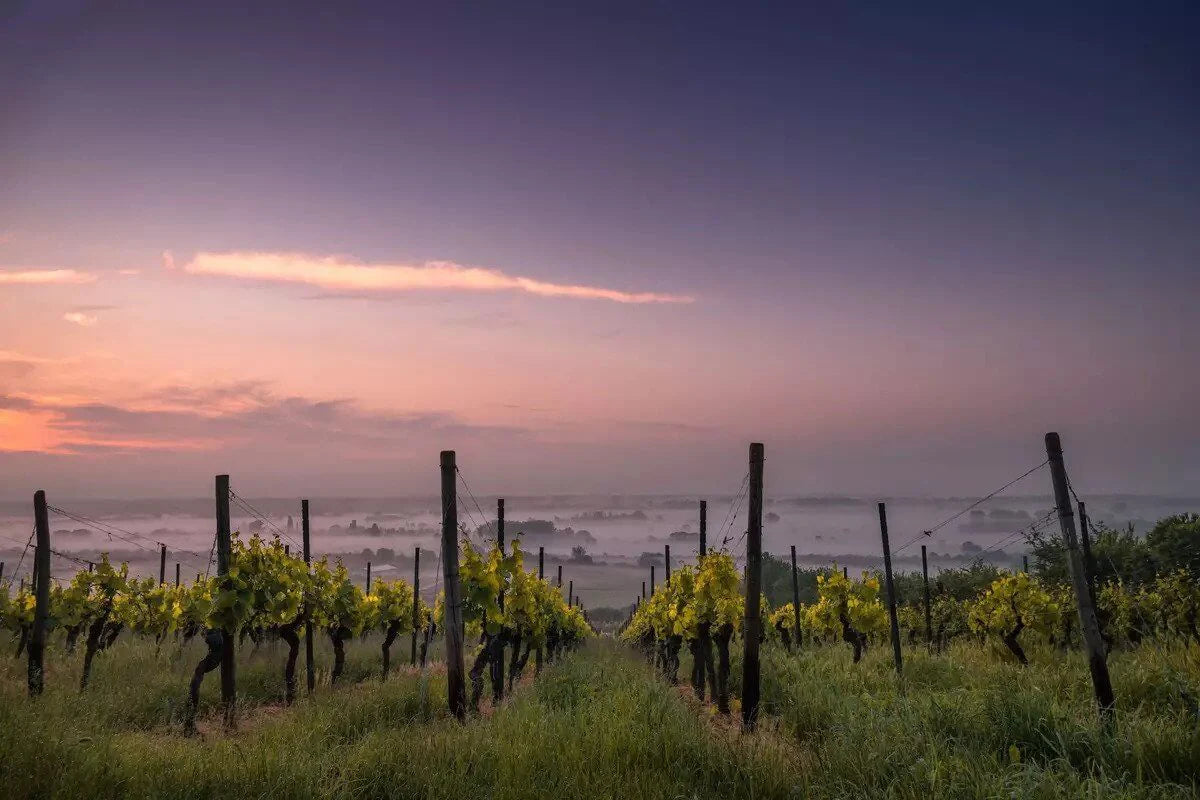

Bordeaux and most "red blends" rely on the same technique: combining multiple grape varieties to build a more complete wine than any single grape can deliver.
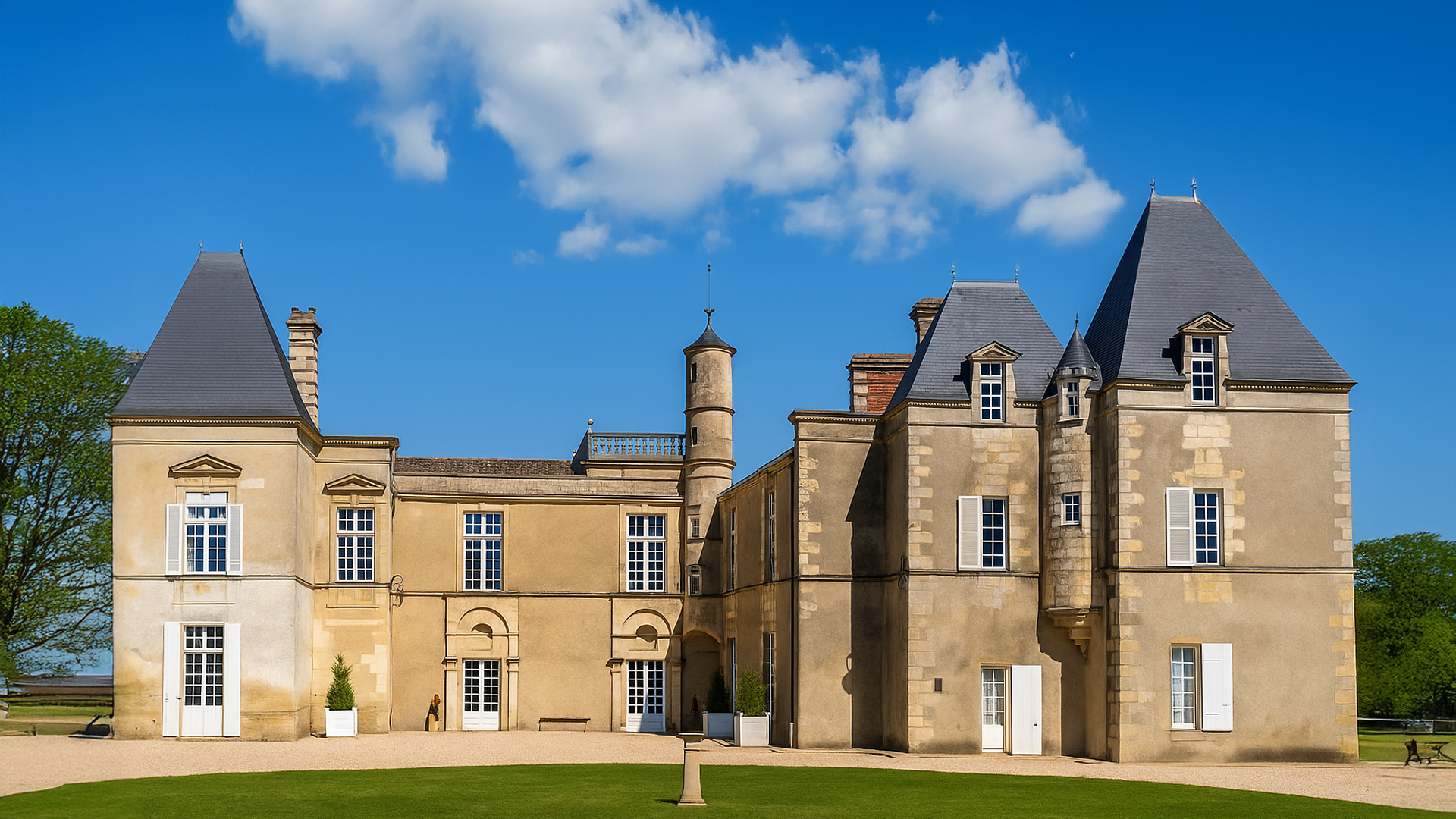
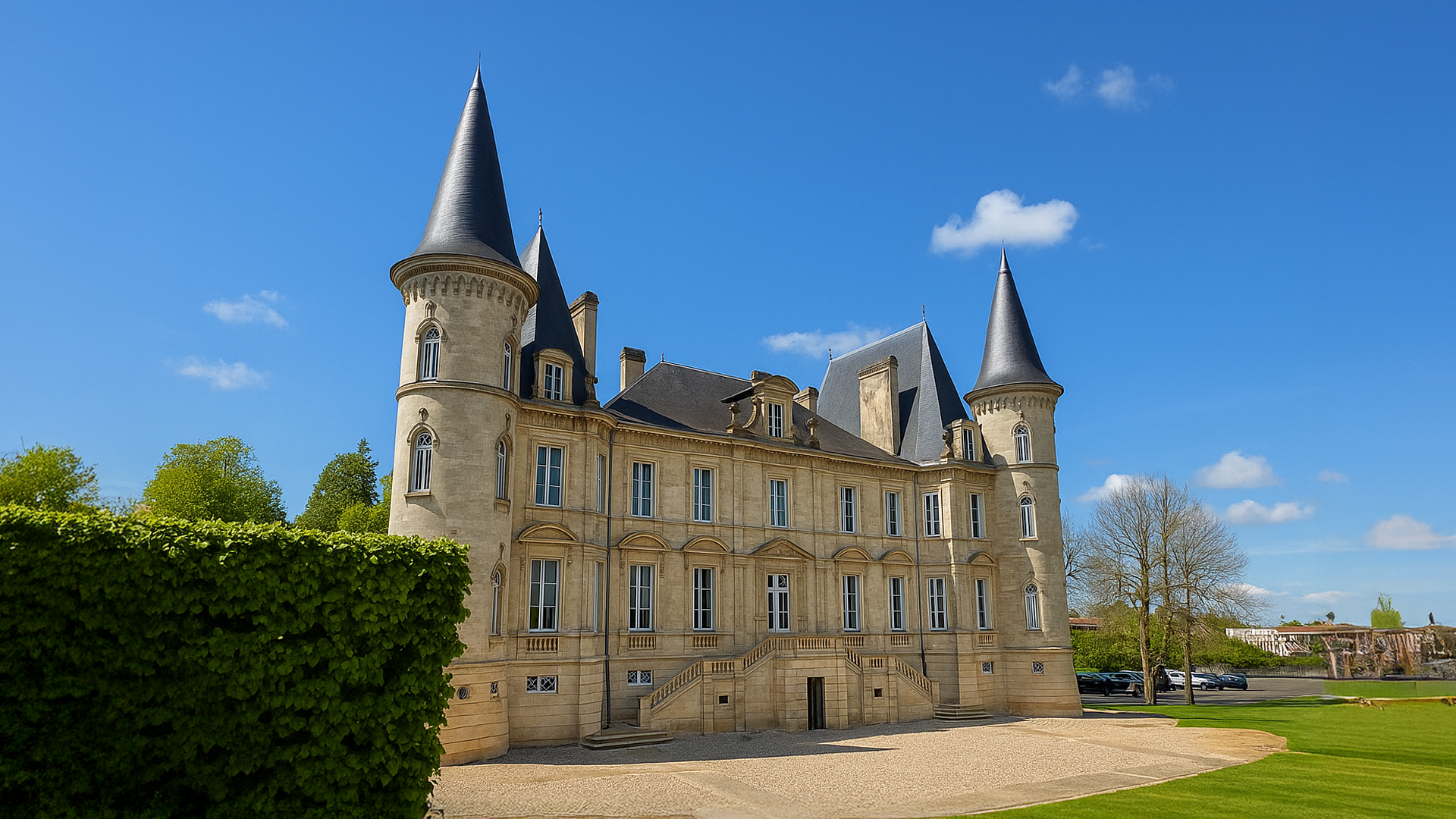
What you're paying for when a classified Bordeaux costs ten times a serious Happy Canyon blend isn't better craft. It's the address on the label, the 1855 Classification, and 900 years of accumulated story.
Key Takeaways
- Blending is the oldest winemaking tradition on earth. Single-varietal wine is the modern invention, not the other way around.
- Bordeaux blends out of necessity: the Atlantic climate makes planting multiple grapes a form of crop insurance, not a philosophy.
- The 1855 Classification permanently fused "blend" with "prestige" in the public imagination, a marketing win Bordeaux never needed to repeat.
- Even Bordeaux's most famous bottles bend their own rules. Pétrus is nearly always 100% Merlot, and Cheval Blanc leans heavily on Cabernet Franc.
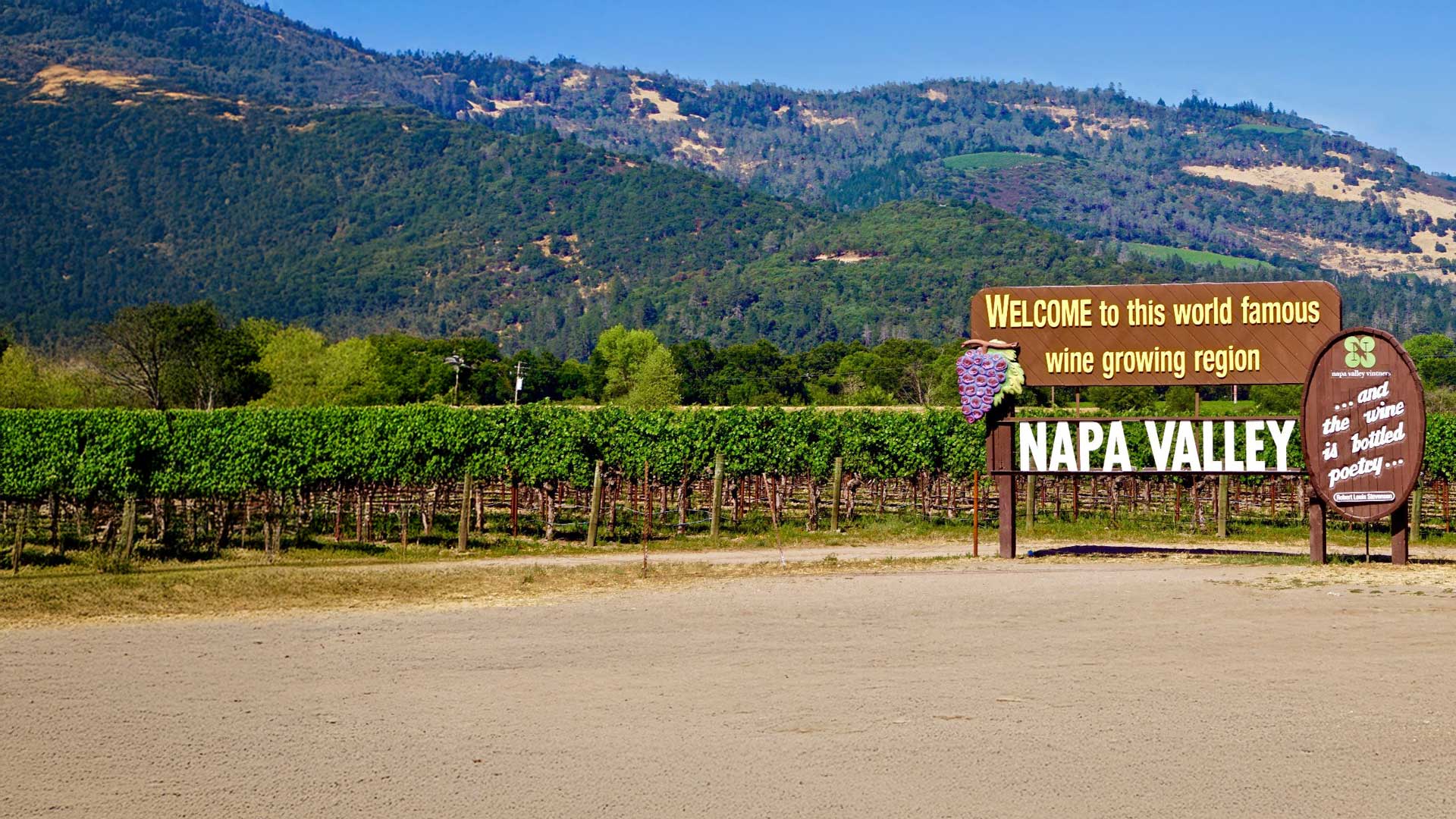
- The same craft applied in Tuscany, Napa, the Rhône, or Priorat delivers Bordeaux-level quality, often at a third of the price.
The Double Standard on the Shelf
Call a wine a "Bordeaux Blend" and sommeliers nod reverently. Put "red blend" on a Chilean or Californian label, and it gets bumped to the discount shelf. Same technique, wildly different price tag.
Even within France, the snobbery runs sideways. Burgundians famously accuse Bordeaux winemakers of "blending wine rather than making it," so the bias cuts in every direction.
So which is it, craft or cop-out? The answer starts about nine centuries before anyone drew a line around the Médoc.
Blending Is as Old as Wine Itself
Before anyone had heard of Bordeaux, blending was just wine. Ancient Greeks and Romans mixed grape varieties without a second thought, and frequently added honey, seawater, or pine resin for good measure. The concept of a "pure" single-variety wine would have been completely foreign to them.
Medieval winemakers across Europe planted what the French call field blends: multiple varieties grown intertwined in the same plot, harvested together, fermented together. You didn't decide to blend. It just happened.
Single-varietal wine isn't a tradition. It's a modern invention.
Why Bordeaux Blended, and Never Stopped

Bordeaux didn't blend out of philosophy; it blended out of necessity. The Atlantic climate is notoriously unpredictable, and a cold, wet September can devastate Merlot while leaving Cabernet Franc untouched two rows over. Planting multiple varieties was crop insurance. If one grape failed, another could carry the vintage.
Over centuries, that practical habit hardened into an art. Each grape plays a role:
- Cabernet Sauvignon — structure, tannin, and aging backbone
- Merlot — flesh, roundness, and approachability
- Cabernet Franc — aromatic lift, violet and pencil-shaving notes
- Petit Verdot — color, spice, and a dark edge
- Malbec — plum fruit and rustic depth (less common today, still permitted)
With our Martellotto wines, I've pulled a lot on Cabernet Franc in a cooler year because the Merlot came in lean; the next vintage, the ratio flipped. That's what blending actually buys you — the ability to read the vintage and adjust.
Then came 1855. Napoleon III commissioned a classification of Bordeaux's top estates for the Paris Exposition, ranking 61 châteaux into five growths. Every one of them blended. Prestige and blending became permanently fused in the public imagination, a marketing coup no other region has ever matched.
The Single-Varietal Revolution (And the Marketing Behind It)
Starting in the 1960s and accelerating through the 1980s, New World producers, especially in California and Australia, built their identities around single-grape wines. A Napa Cabernet. A Barossa Shiraz. It was a brilliant retail strategy: easy to understand, easy to put on a label, easy to sell.
The 1976 Judgment of Paris, where Napa Cabernet beat First Growth Bordeaux in a blind tasting, cemented the varietal story. California proved it could out-Bordeaux Bordeaux with a single grape.
Consumers learned to read a grape name as a quality signal. The unintended consequence: blends without a famous region behind them started to look like they had something to hide, as if mixing grapes were a way to cover flaws rather than build complexity. That perception gap is where the best value in wine still lives.
The Twist: Even Bordeaux Has 'Single Varietals'
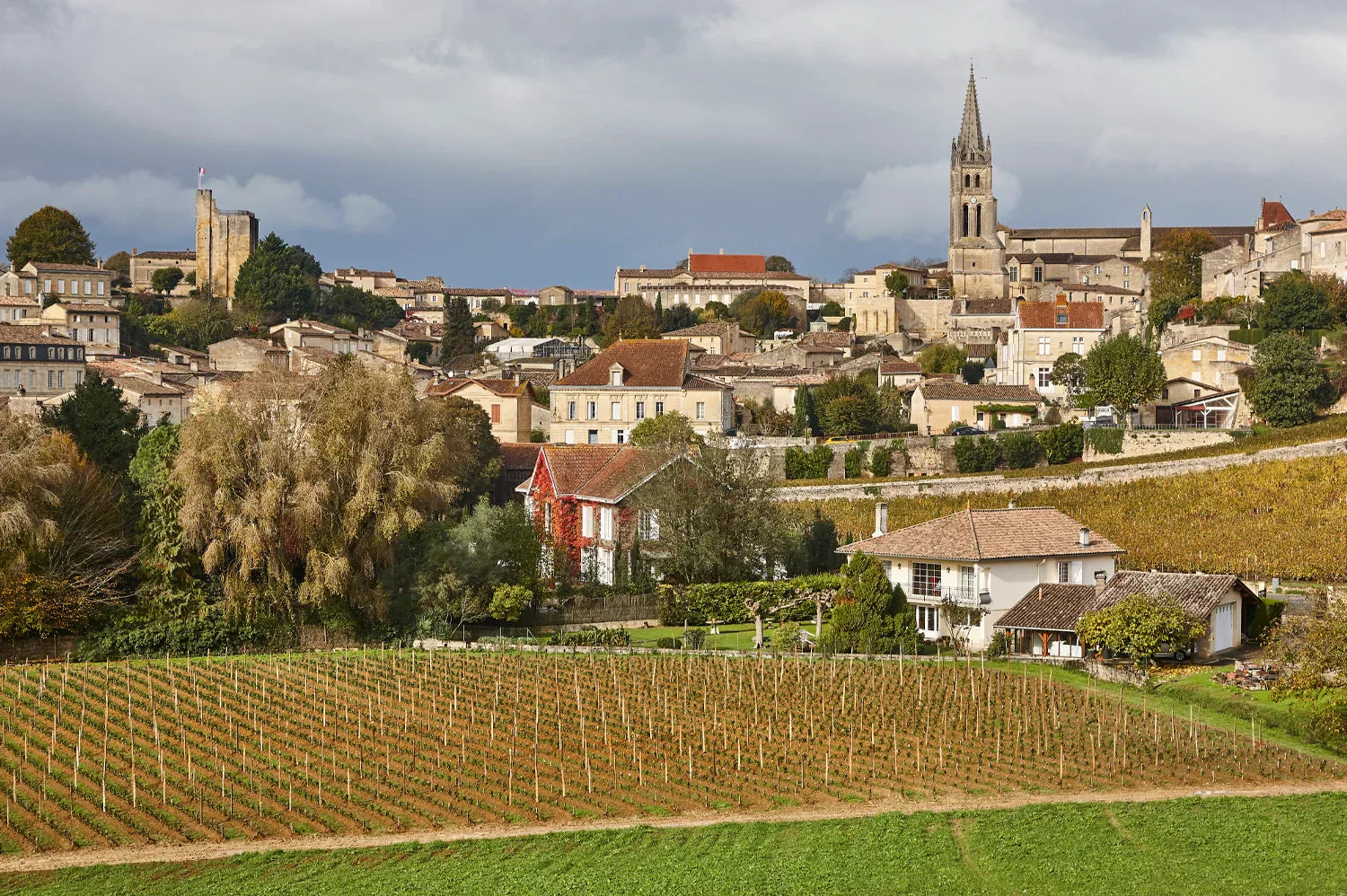
The closest thing Bordeaux produces to a single-varietal wine is Pétrus, which is nearly always 100% Merlot from the tiny Pomerol appellation. It's also one of the most expensive bottles on earth. Château Cheval Blanc, the famed Saint-Émilion estate, goes the other direction entirely, heavily dominated by Cabernet Franc, which is unusual even for the region.
Both are still called blends in the marketplace. Both are legendary. In Bordeaux, the narrative is so powerful that it elevates everything it touches, outliers included.
Bordeaux vs. 'Red Blend': Same Craft, Different Story

How to Spot a Great Blend Hiding as a 'Red Blend'
A simple checklist for reading the label:
- Look at the grapes. If you see Cabernet Sauvignon, Merlot, Cabernet Franc, and Petit Verdot, you're holding a Bordeaux blend without the French address.
- Check the region. Happy Canyon (Santa Barbara), Stellenbosch, Bolgheri, Napa, and Priorat all produce blends built on Bordeaux logic.
- Look for serious aging. Eighteen months in French oak, small case production, single-vineyard fruit: these are classified-growth practices applied elsewhere. Check the winemaker. If the label credits a consultant trained at Pétrus, Screaming Eagle, or a Bordeaux classified growth, you're likely paying for the craft without the geography markup.
- Trust your nose and palate. Tobacco, cedar, graphite, blackcurrant, violet: those are the signatures of a Bordeaux-style blend, wherever it's grown.
Mini-Glossary
Bordeaux Blend: A red wine made from two or more of the six permitted Bordeaux grapes: Cabernet Sauvignon, Merlot, Cabernet Franc, Petit Verdot, Malbec, and Carménère (permitted but effectively extinct in modern Bordeaux, now Chile's signature grape). Inside Bordeaux, the wine is named after the estate or appellation. Outside Bordeaux, it's often labeled "red blend."
Field Blend: Multiple grape varieties planted together in the same vineyard, harvested at the same time, and fermented together. The default winemaking style for most of human history.
Varietal Wine: A wine made from a single grape variety, or one dominant grape (typically 75% or more, depending on the country's labeling law). A modern category, not a traditional one.
1855 Classification: A ranking of 61 Bordeaux châteaux into five growths, commissioned by Napoleon III for the Paris Exposition. Still in use today with only one major revision (Mouton's 1973 promotion).
Left Bank / Right Bank: The two halves of Bordeaux separated by the Gironde estuary. Left Bank blends lean Cabernet Sauvignon (structure-first); Right Bank blends lean Merlot and Cabernet Franc (softer, rounder).
Super Tuscan: Tuscan wine made outside traditional DOC/DOCG rules, often built on Bordeaux varieties (Cabernet Sauvignon, Merlot, Cabernet Franc). Same blending logic as Bordeaux, Italian soil.
Happy Canyon: A small, warm-but-ventilated AVA in Santa Barbara County, California, increasingly recognized for Bordeaux-varietal wines with serious acid and structure.
Frequently Asked Questions
1. What exactly is a Bordeaux blend?
A Bordeaux blend is a red wine made from two or more of the six grapes permitted in Bordeaux: Cabernet Sauvignon, Merlot, Cabernet Franc, Petit Verdot, Malbec, and Carménère. The ratios vary by estate and appellation. Left Bank wines typically lean Cabernet Sauvignon; Right Bank wines lean toward Merlot. In practice, Carménère has almost disappeared from modern Bordeaux and is now associated with Chile.
2. Is a red blend the same as a Bordeaux blend?
Sometimes, yes. When a New World winery blends Cabernet Sauvignon, Merlot, and Cabernet Franc, it's making a Bordeaux blend in everything but name. "Red blend" on a label just means "multiple grapes," and tells you nothing about which grapes or what style.
3. Why is Bordeaux so expensive compared to other red blends?
Prestige geography. The 1855 Classification ranked Bordeaux's top estates nearly 200 years ago, and that hierarchy still drives pricing today. You're paying for land value, brand heritage, and global demand, not just what's in the bottle.
4. Are red blends lower quality than single-varietal wines?
No. Blending is a sophisticated craft, not a shortcut. Most of the world's greatest wines (Bordeaux, Champagne, Super Tuscans, Rhône reds) are blends. Quality depends on fruit, winemaking, and intention, not on the number of grapes involved.
5. Why do some labels say the grapes and others don't?
Labeling law. In Bordeaux, estates label by appellation and don't list grape percentages. In the U.S., if a wine is labeled by a single grape it must be at least 75% that variety. Blends often list all varietals and percentages on the back label, a good sign of transparency.
6. What's the difference between a Bordeaux blend and a Meritage?
Meritage is a registered American category for Bordeaux-style blends, created in the 1980s. Under international geographic-indication rules, "Bordeaux" is protected as a place name and can't be used as a style descriptor outside the region. To use the Meritage name, a winery joins the Meritage Alliance and blends only the approved Bordeaux grapes.
7. Is Pétrus really just Merlot?
Nearly always. Pétrus is typically 100% Merlot (occasionally with a tiny fraction of Cabernet Franc in certain vintages), making it one of Bordeaux's rare near-varietal wines. It's also one of the most expensive bottles on earth, a reminder that even the rules in Bordeaux have famous exceptions.
8. Does blending ruin a wine's sense of place?
Not if it's done well. A thoughtful blend expresses a site's terroir through the specific grapes that thrive there. Château Cheval Blanc's Cabernet-Franc-dominant blend tastes distinctly like its Saint-Émilion gravel-and-clay soils, not like a generic mix.
9. Which regions outside Bordeaux make the best Bordeaux-style blends?
Tuscany (Super Tuscans from Bolgheri), Napa Valley, Happy Canyon in Santa Barbara, Washington's Red Mountain, Stellenbosch in South Africa, and Mendoza in Argentina are all producing world-class Bordeaux-style blends, often at a fraction of classified-growth prices.
10. How can I tell a good red blend from a bulk one?
Look for specifics. A serious blend tells you the grapes, percentages, oak regimen, and case production. A bulk "red blend" gives you a residual-sugar-forward flavor profile and vague marketing language. Transparency on the label tracks with quality in the bottle.
11. Do Bordeaux blends age better than single-varietal wines?
Often, yes. Multiple grape structures create layered tannin profiles that evolve in stages, one reason top Bordeaux can age 30 years or more. Well-made single-varietal Cabernets can match that, but a blend gives the winemaker more aging architecture to work with.
Where to Start

If this is the first time you've looked at "red blend" as a value signal rather than a discount flag, the right move is to taste a few side by side.
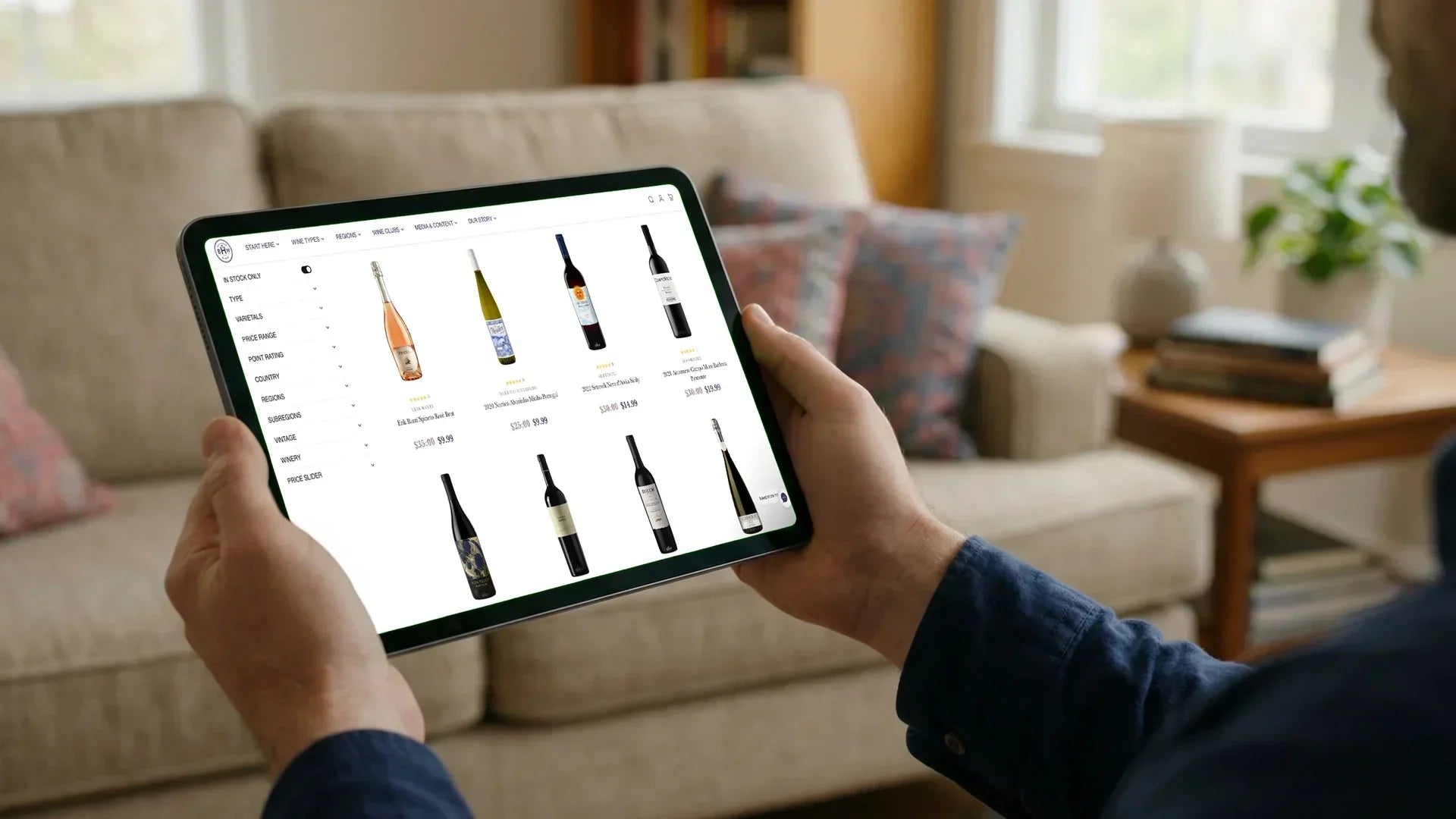
Explore the BHW Red Blend Collection. It's stocked with Bordeaux-style wines from outside Bordeaux, chosen specifically because the craft-to-price ratio is where the value lives.
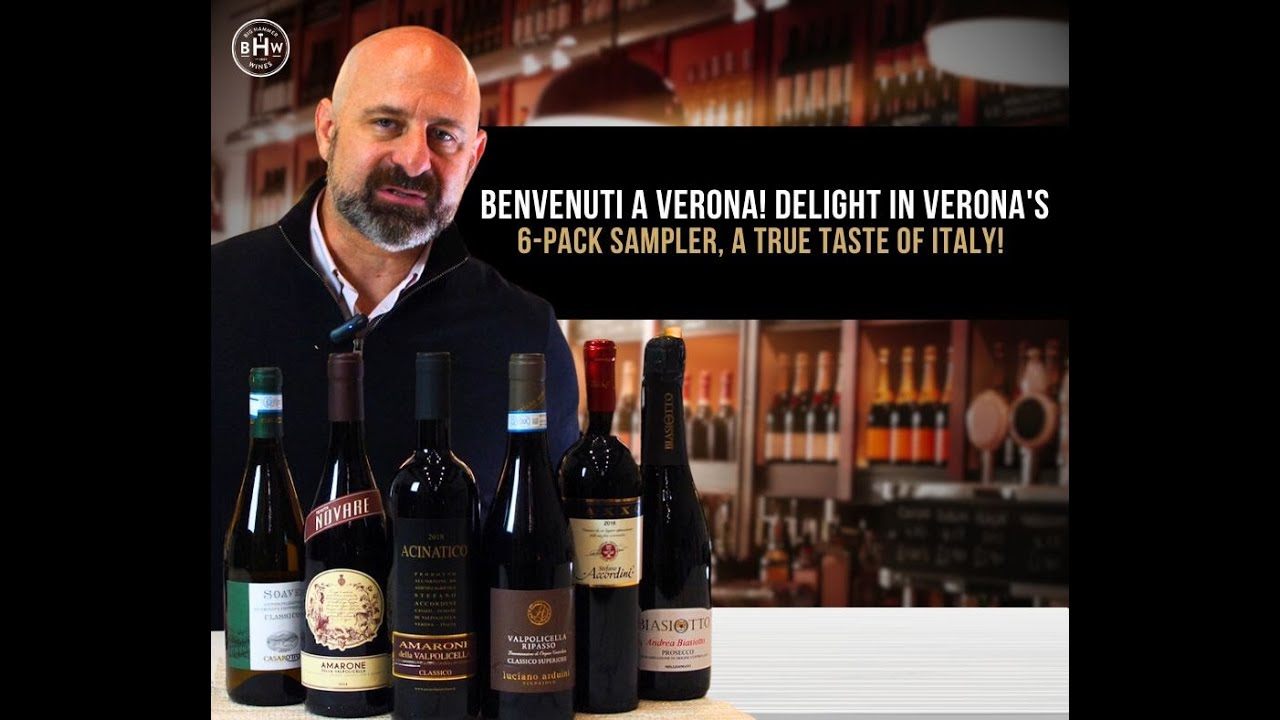
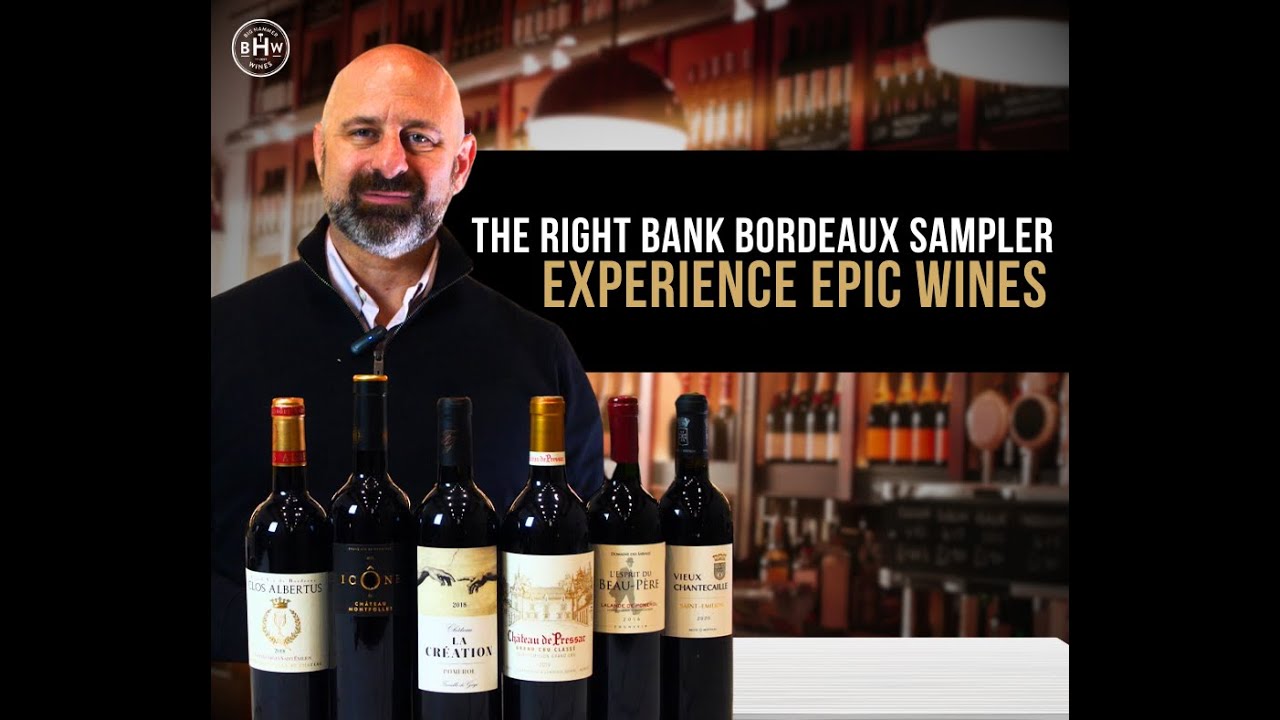
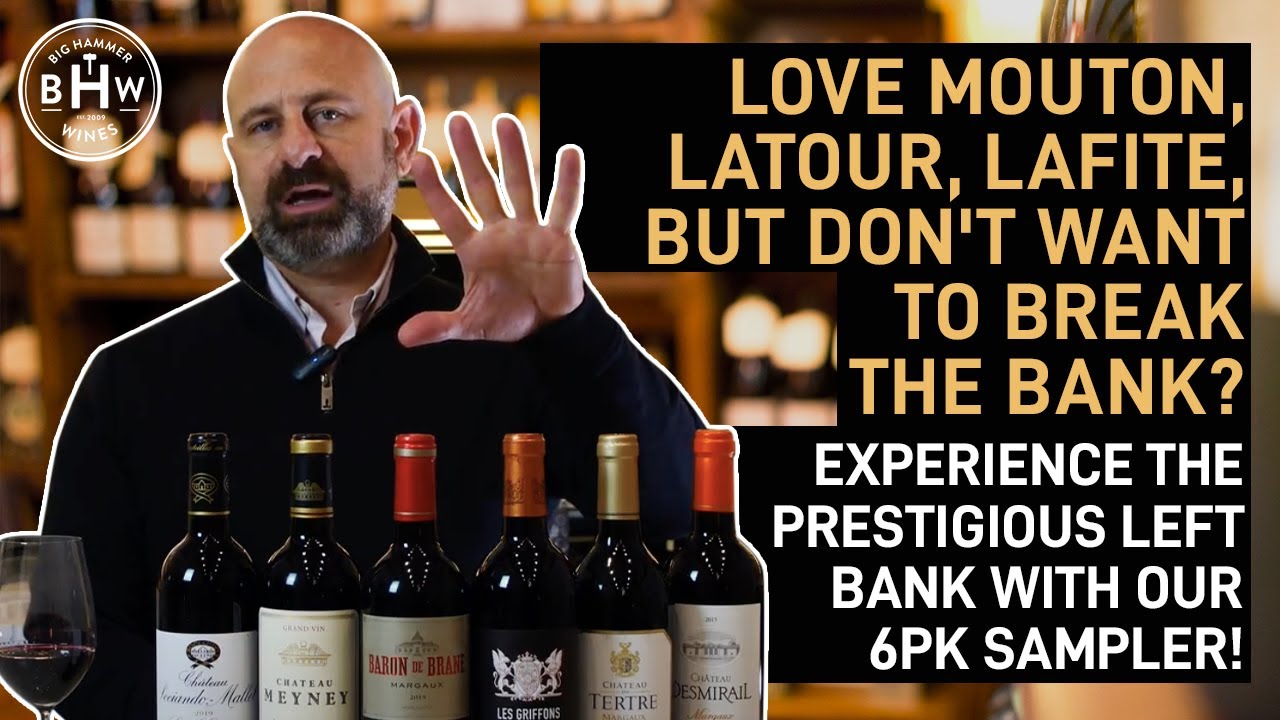
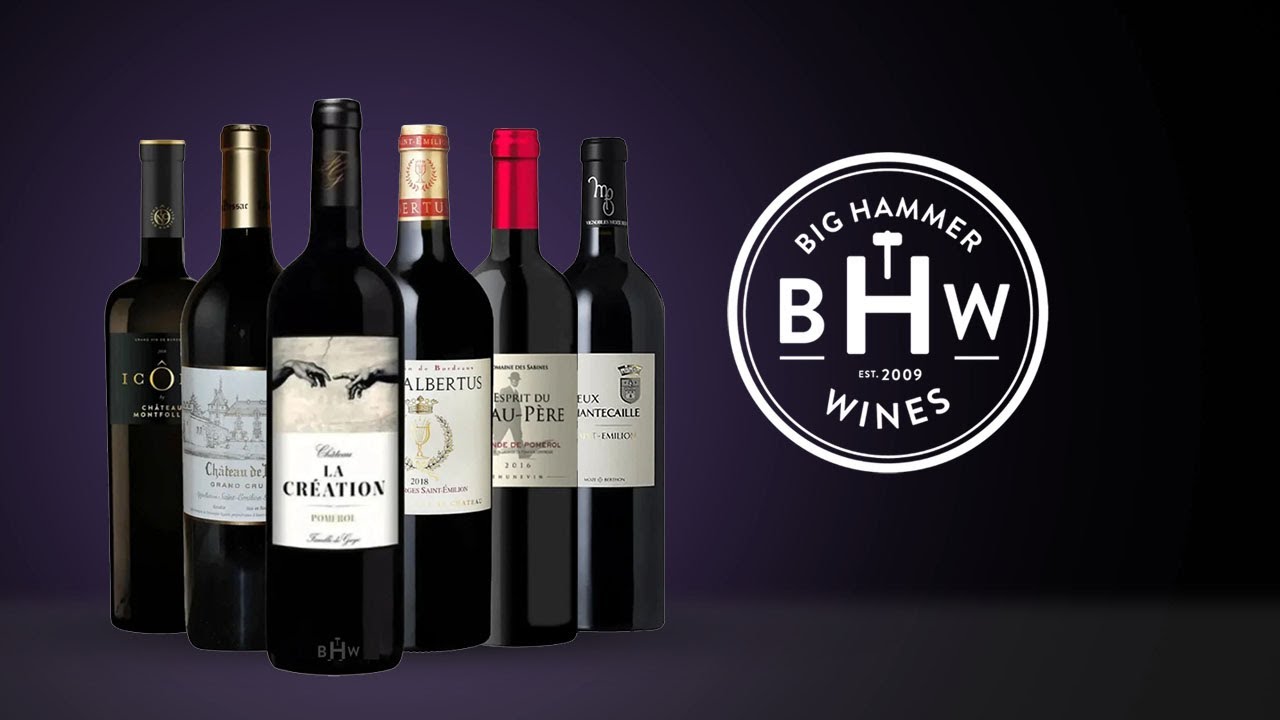
For a shortcut, the Right Bank Bordeaux 6-Pack Sampler is the most direct way to calibrate your palate to classified-growth style at an accessible price point. If you want to taste the same logic applied in California, Greg's own Martellotto Bordeaux-blend wines from Happy Canyon are built on Merlot, Cabernet Franc, Cabernet Sauvignon, and Malbec: the full Bordeaux toolkit, a lot less French address premium.
Prefer the VIP shortlist by text? Apply for Text2Sip, our Founder's Text Club, for early access and Greg's personal picks.

















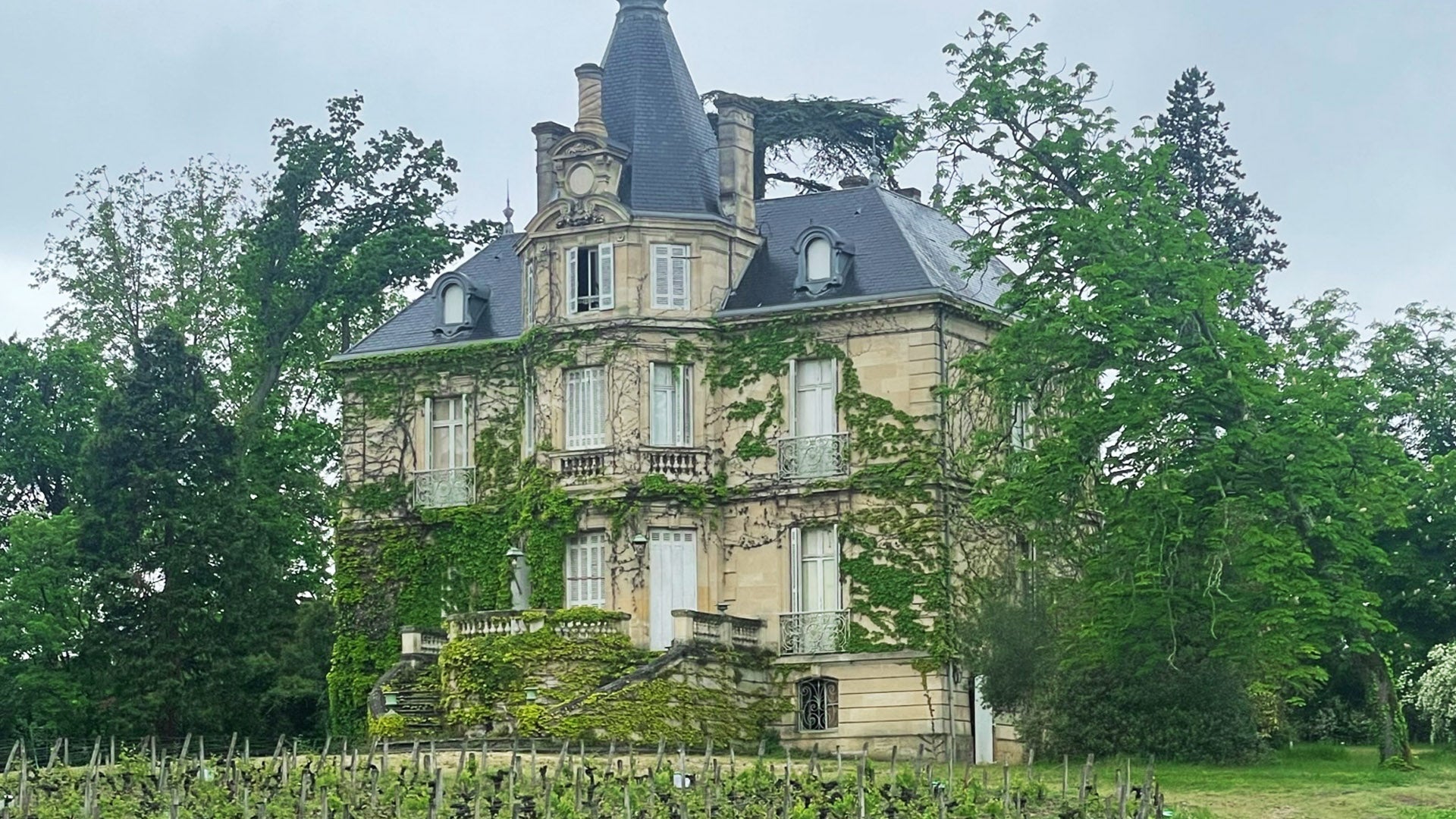










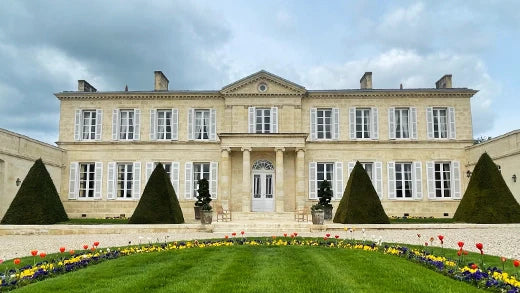
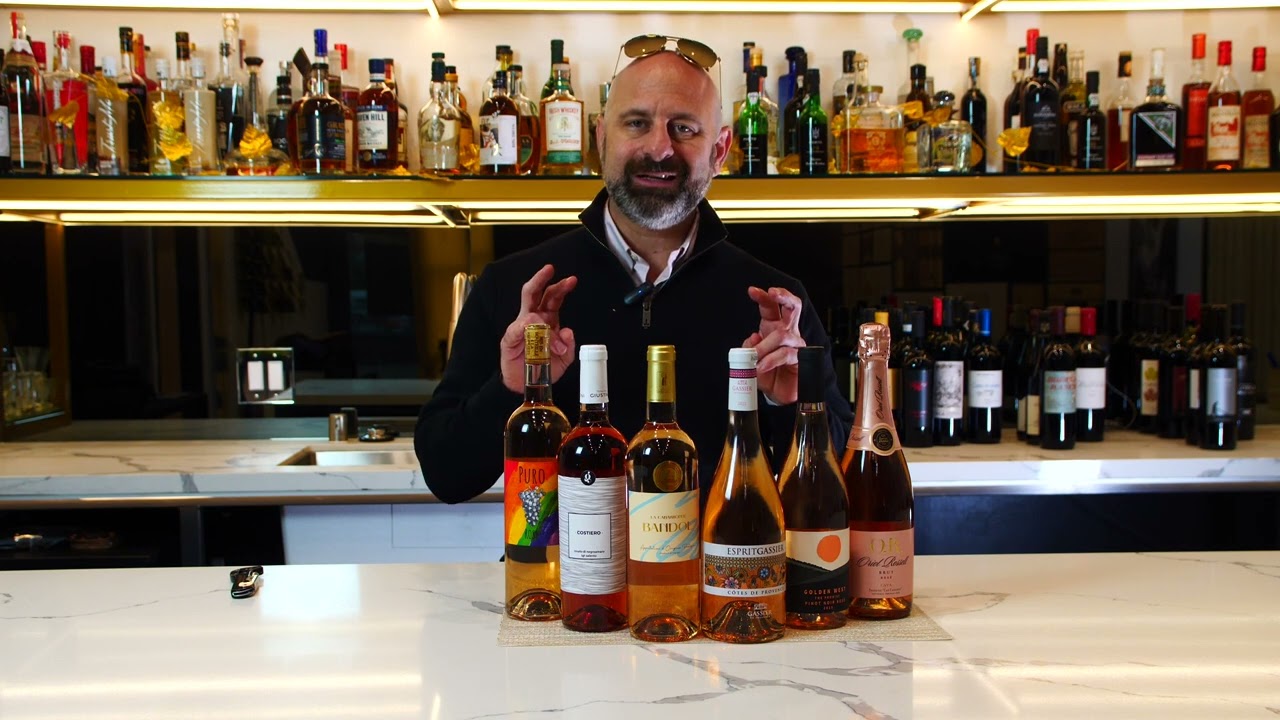
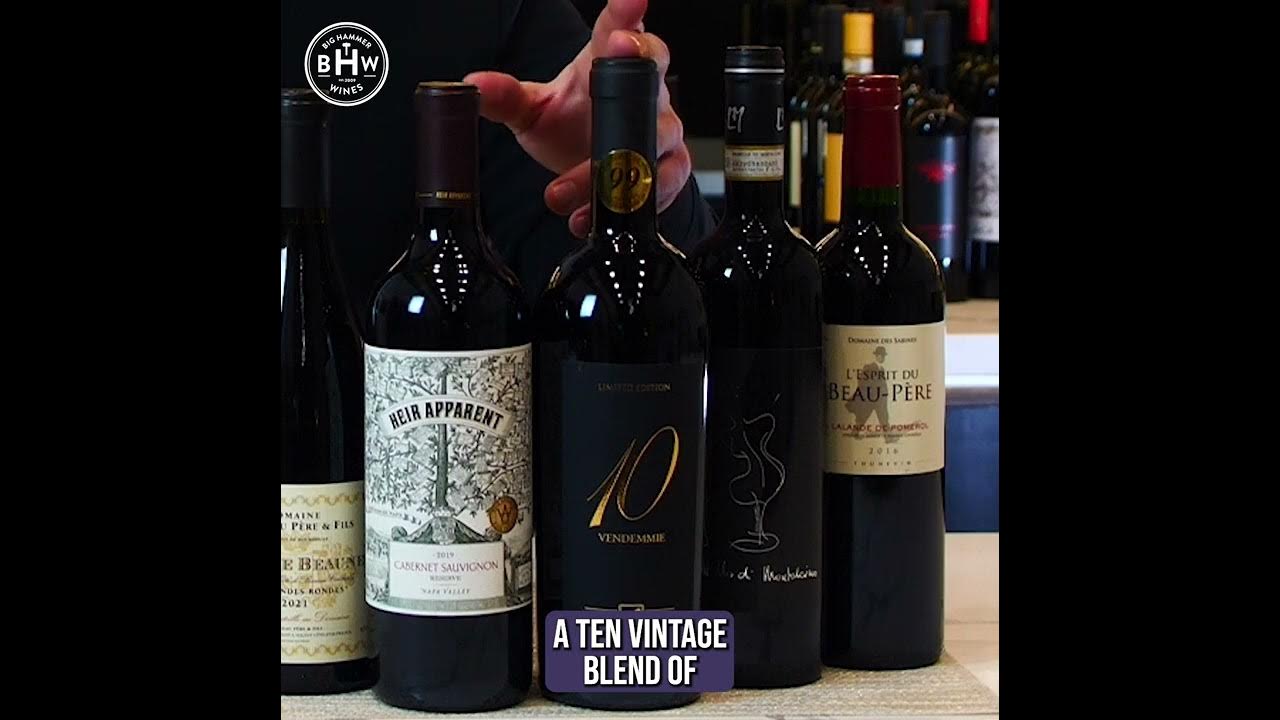
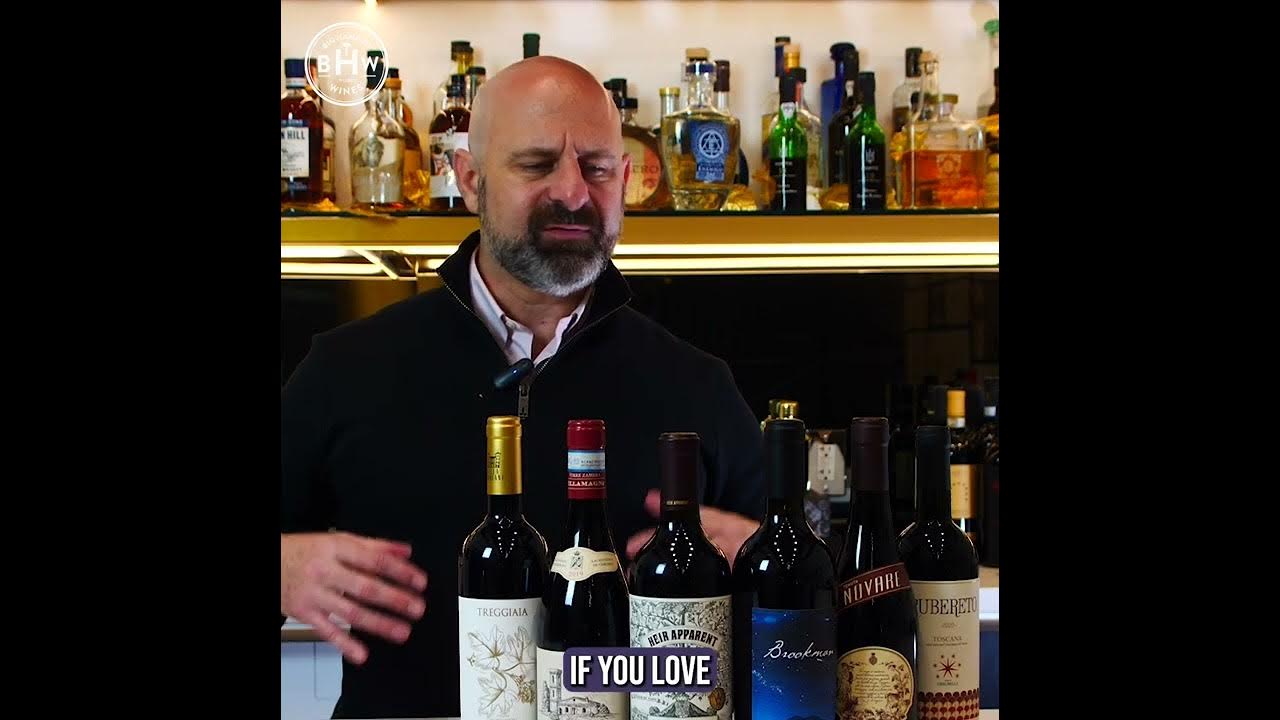
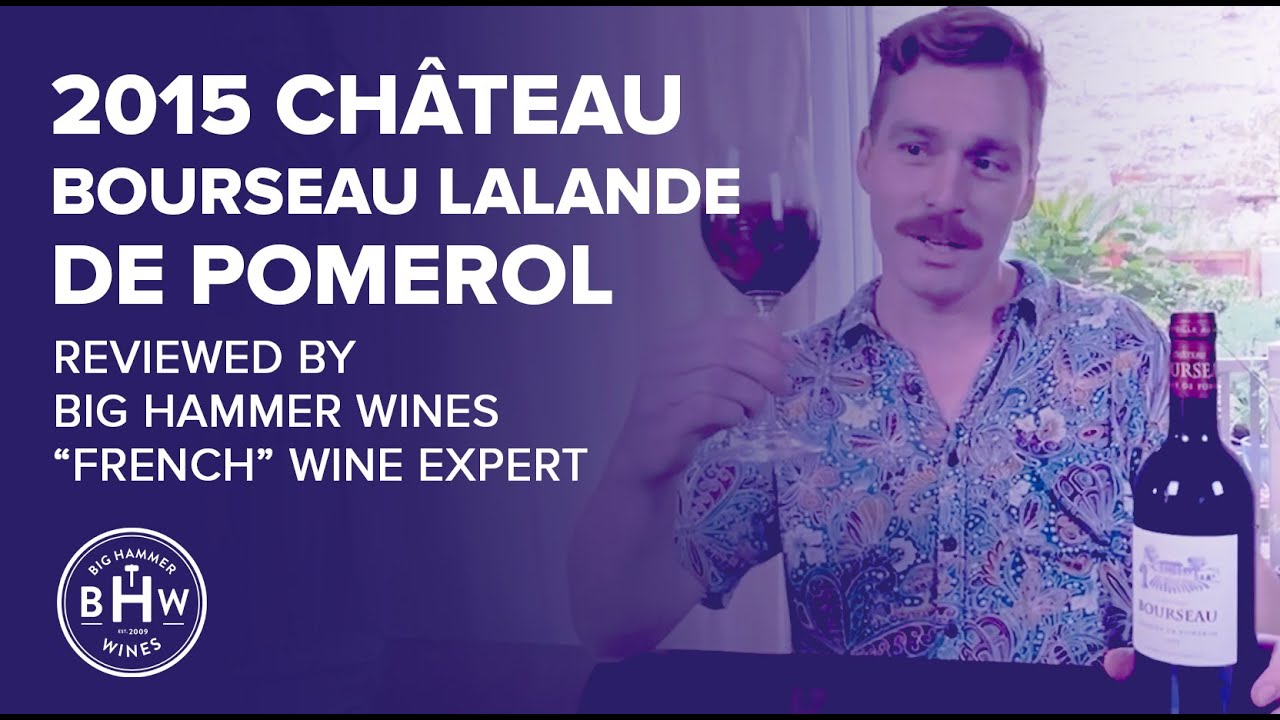

The benchmark for blending—Cabernet, Merlot, and structure built to age.
SHOP COLLECTIONShare:
Wine Trends 2026: What We’re Actually Seeing From the Buying Desk
Best Value Red Wines Under $30 in 2026: 9 Bottles Worth Every Penny
Comments Section