

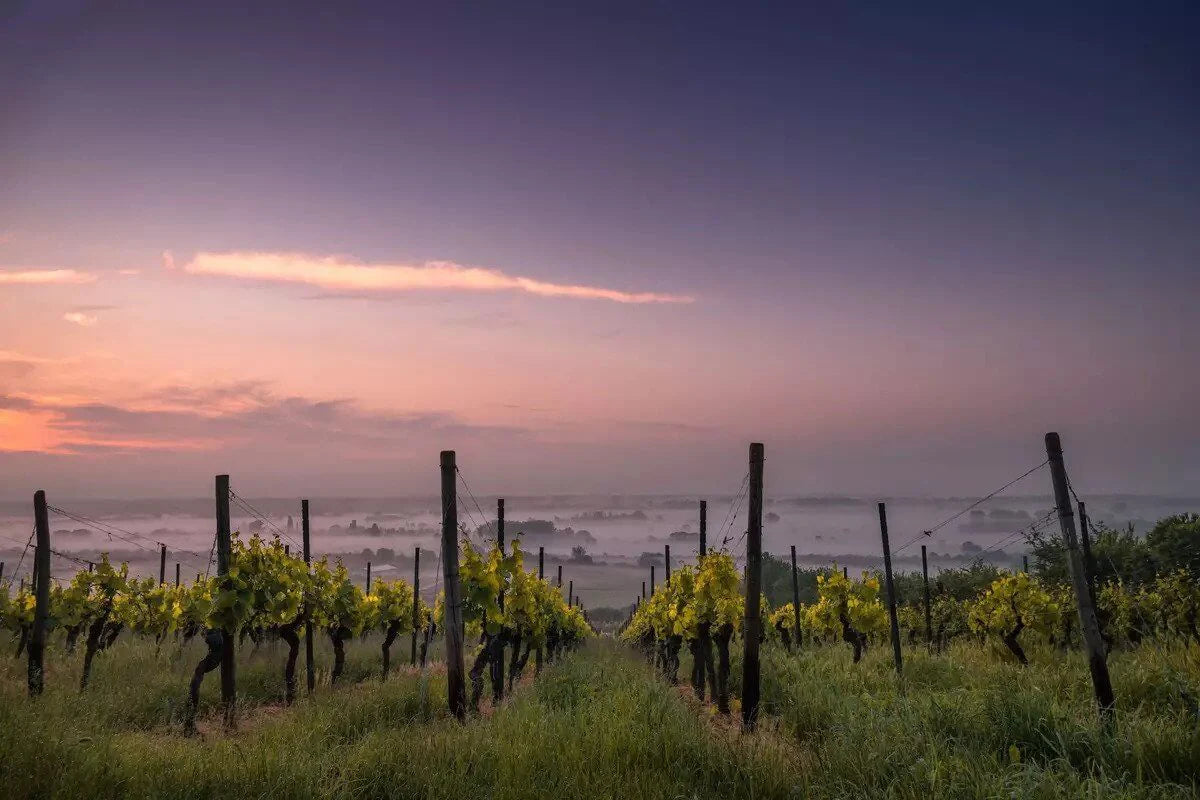
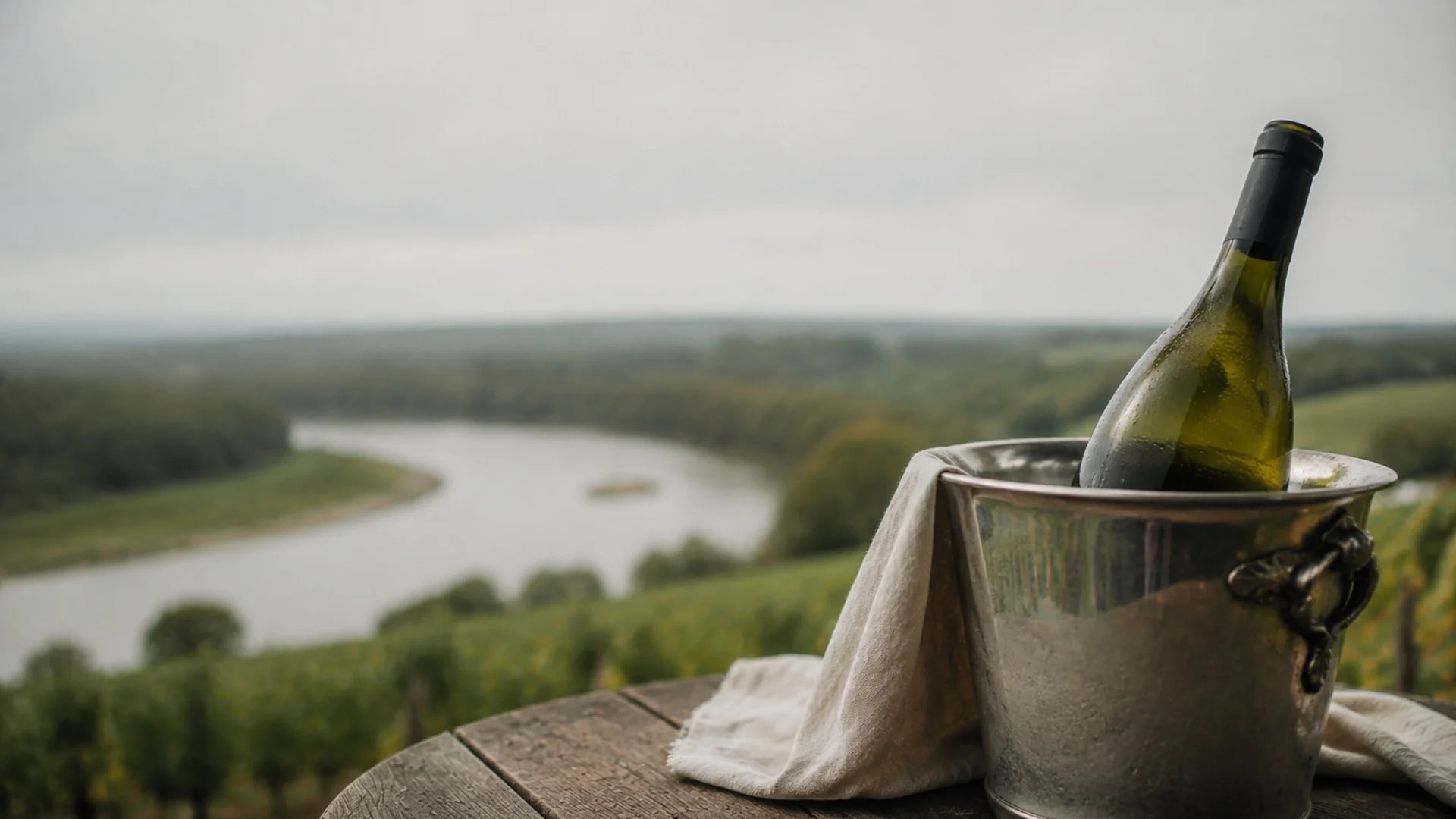
The Loire is France's longest river and its longest wine list.
Follow it six hundred miles from the volcanic hills of the center out to the Atlantic, past the white chateaux where kings kept court, and you pass through more styles of wine than some whole countries make. Oyster-bright whites at the mouth. Honeyed sweets and iron-edged reds in the middle. Flint-smoke Sauvignon near the source. Sparkling wine pulled from caves cut into chalk.
Nothing here is heavy and nothing is loud. The Loire's signature is acidity — the freshness that makes a wine belong at a table instead of on a shelf.
Parisians have treated it as their house cellar for centuries. I treat it as the last great classic region where the benchmark bottles still cost dinner money.

Tuffeau: The Stone That Built It
Royalty and rock shaped this valley, in that order of glamour and reverse order of importance.
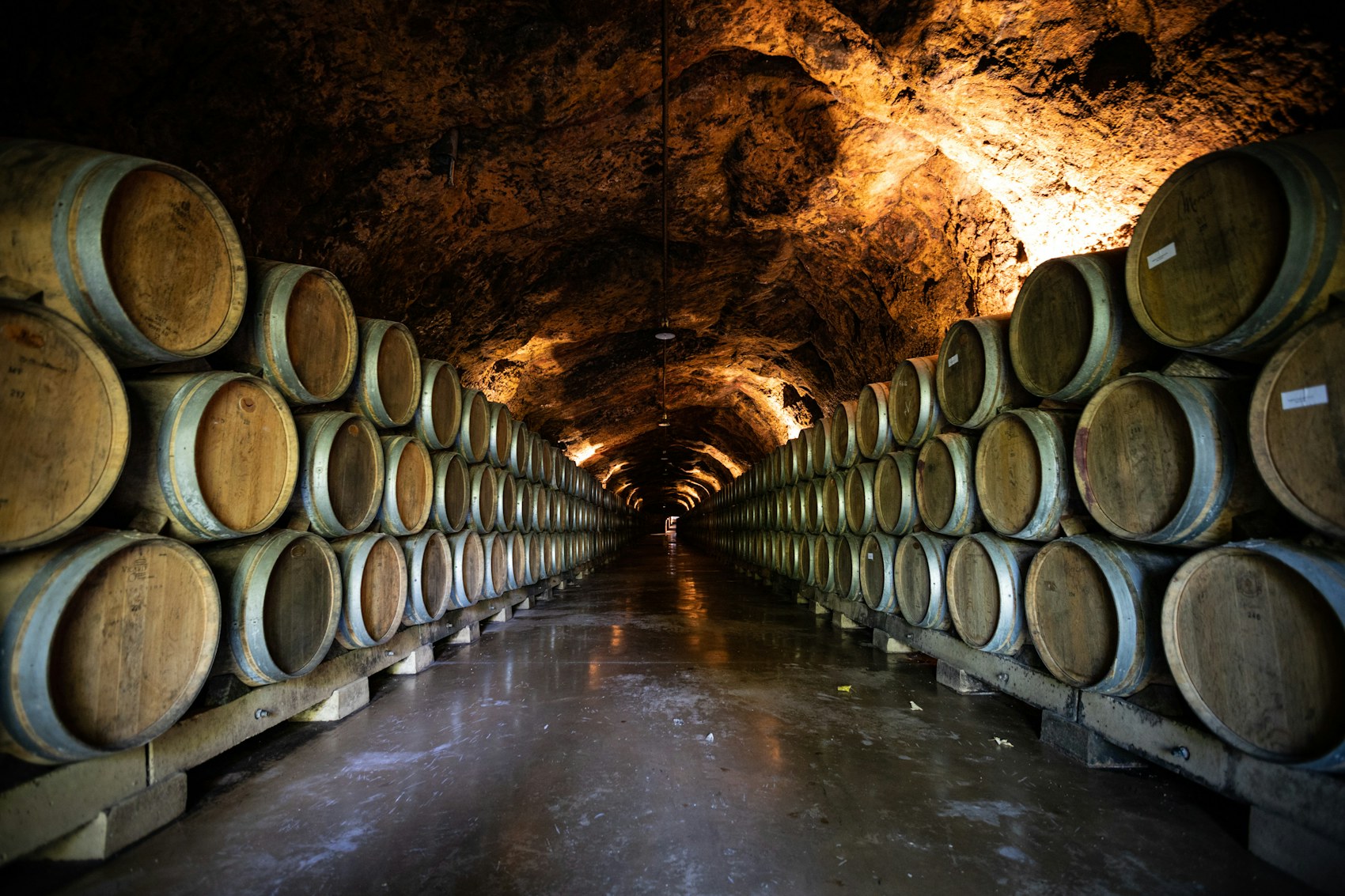
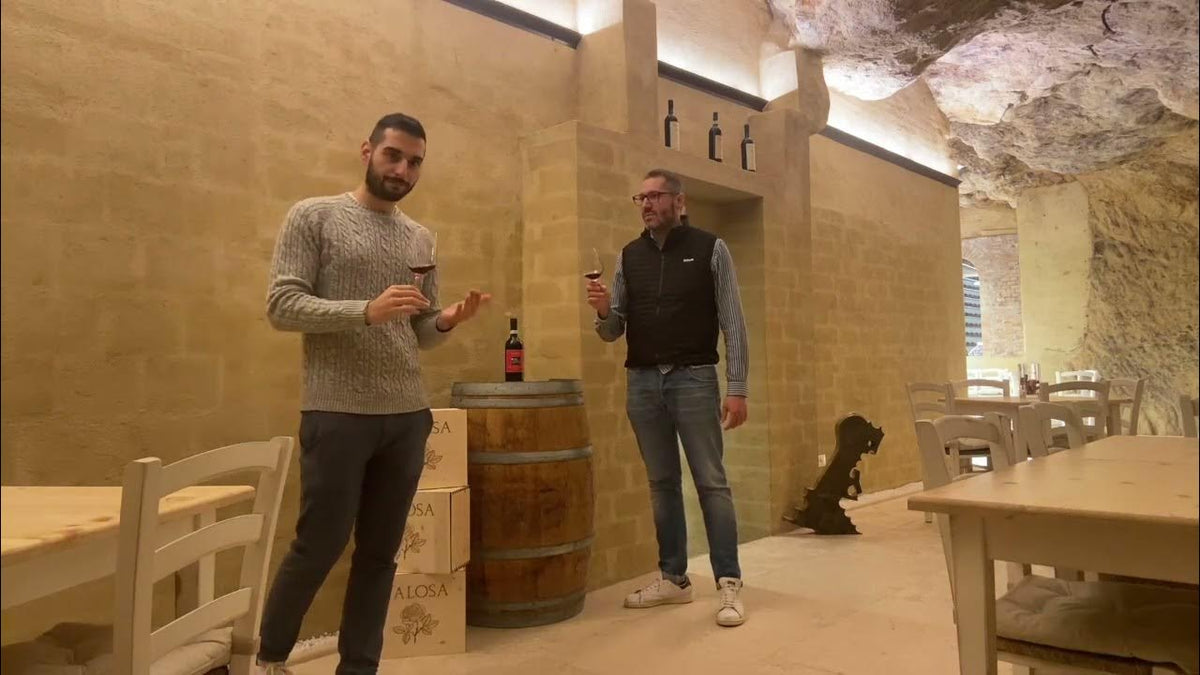
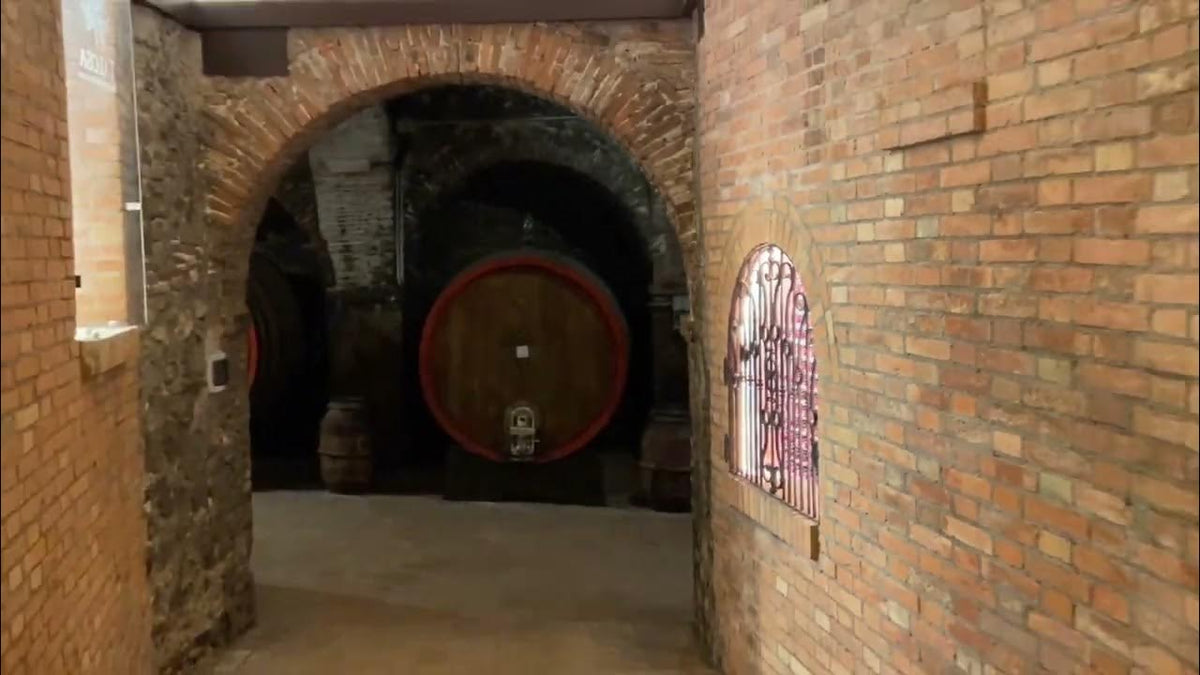
The rock is tuffeau, the soft pale limestone the river cut through for millennia. It built Chambord and Chenonceau, and it left behind hundreds of miles of quarried caves that now cellar wine at a constant humid chill. Some house restaurants. Some house people — the troglodyte villages around Saumur are still lived in.
Vines love the stone as much as the builders did. Tuffeau drains fast, holds warmth, and gives the mid-Loire's whites and reds their chalky, cool-cellar core. The royalty part explains the polish: for centuries this was the court's playground, and the wines grew up with standards.

Muscadet: The Atlantic's House White
At the river's mouth around Nantes, the Melon de Bourgogne grape makes Muscadet — bone dry, lemon-and-sea-shell crisp, and the textbook oyster wine of France.
The detail worth knowing is on the label. Sur lie means the wine rested all winter on its spent yeast, picking up a subtle creaminess and a faint prickle that turns simple into moreish.
Then there's the new wave of cru communal bottlings — village wines off granite and gabbro soils like Clisson and Gorges, aged years on lees. They drink like white Burgundy at three times the money. Muscadet is the most quietly improved wine in France and the price still hasn't caught up.
Chenin Blanc: The Shape-Shifter
The middle Loire — Anjou, Saumur, Touraine — belongs to Chenin Blanc. One grape, every register, and I'd put it up against any white grape in the world for sheer range.
Savennieres makes it stern, dry and mineral. This is a white that demands food and a decade, and gives nothing away early.
Vouvray and its mirror across the river, Montlouis, run the whole keyboard — bone-dry sec, off-dry demi-sec (the roast-chicken wine of France), through to lush and sweet.
In great autumns, noble rot concentrates Coteaux du Layon and the tiny, hallowed Quarts de Chaume into golden nectar that outlives everyone at the table. Chenin's acidity keeps even the sweetest versions electric. Fifty-year-old bottles still taste alive.
That same acidity makes Cremant de Loire and sparkling Vouvray the best value in French traditional-method bubbles — cellar-aged in those tuffeau caves, sold for a fraction of Champagne money.
The Reds: Cabernet Franc's Home Court

Loire red means Cabernet Franc, the parent of Cabernet Sauvignon and never more expressive than it is here. Raspberry and violet perfume, pencil-shaving graphite, a cool leafy lift. Medium-bodied, made for the table.
Chinon is the flag. Bourgueil runs firmer off gravel and tuffeau slopes. Saumur-Champigny is the silky, chalk-grown one Paris bistros pour by reflex, and it's the bottle I open when I can't decide.
Serve them slightly cool beside roast chicken, charcuterie or salmon and they'll embarrass heavier wines at twice the price. The top old-vine cuvees age twenty years into something close to fine Bordeaux, with better posture.
Rose drinkers get a bonus: Cabernet Franc also makes some of France's most serious dry pinks. And Sancerre's neighbors make a delicate Pinot Noir the world keeps forgetting exists.
Sancerre, Pouilly-Fume, and the Flint Line
Near the river's source, Sauvignon Blanc reaches the form every New World bottle is chasing.
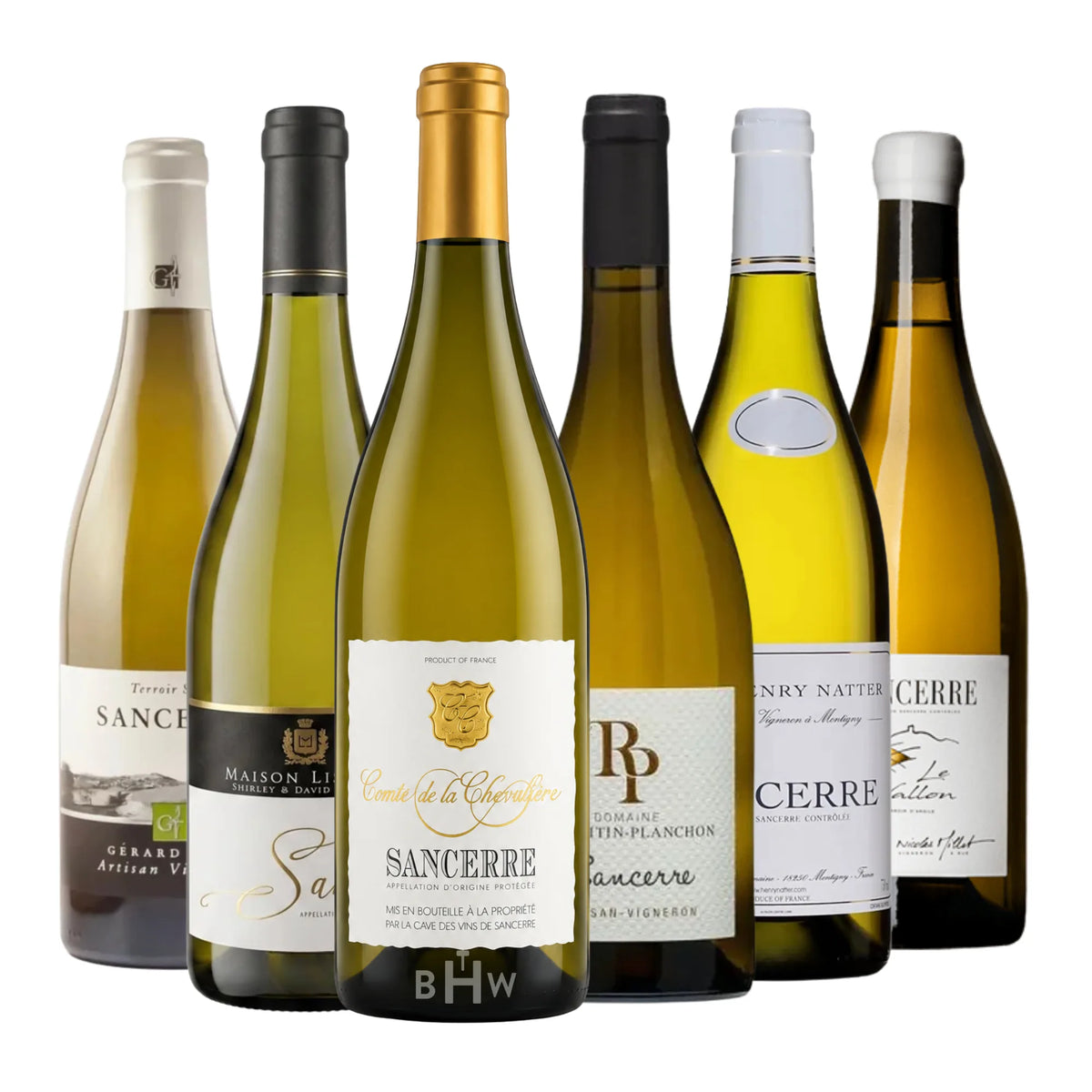
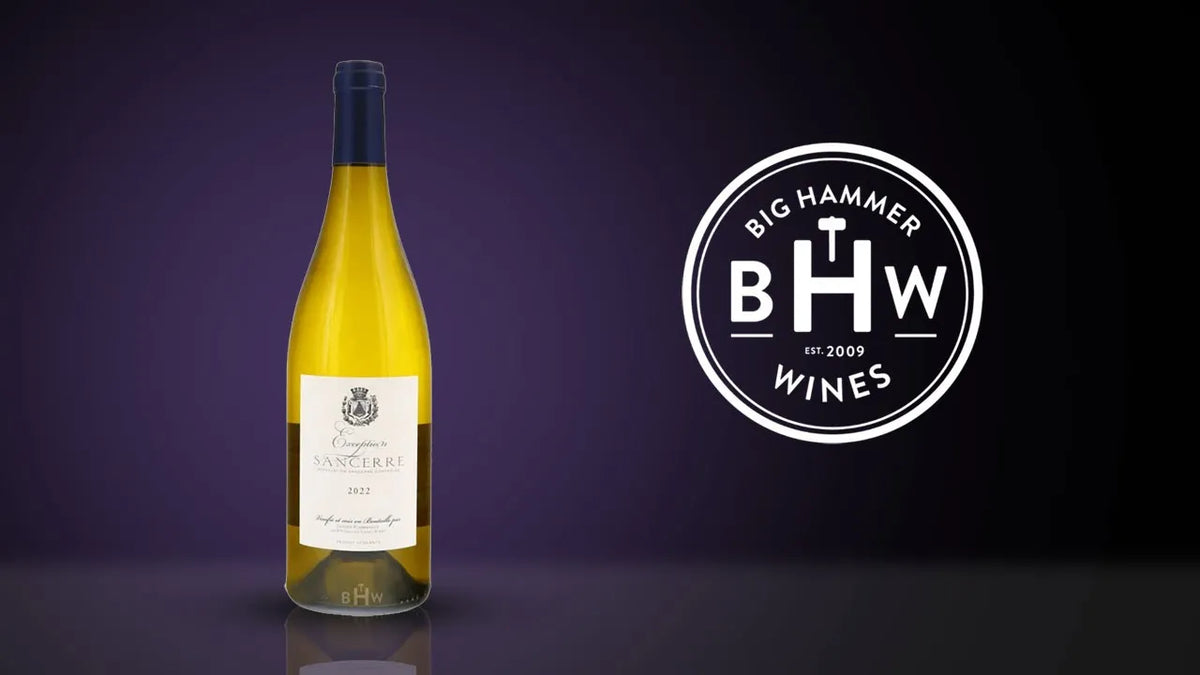
Sancerre, up on its hilltop, splits its vineyards across three soils, and tasting through them is a geology lesson in a glass. Kimmeridgian marl full of fossil oysters (terres blanches) gives round, orchard-fruited wine. Stony limestone (caillottes) gives citrus tension. And flint (silex) gives that famous gunflint smoke, like someone struck a match over the glass.
Across the river, Pouilly-Fume leans harder into the smoky register.
The wallet play sits next door. Menetou-Salon, Quincy and Reuilly share the same grape and much of the same geology at roughly two-thirds the price. Sommeliers have been drinking them for years while everyone else pays for the Sancerre label.

The Odd One Worth Hunting
Halfway between the chateaux and the flint sits Cheverny, and next to it the appellation of Cour-Cheverny, which grows a grape called Romorantin and grows it nowhere else on earth. Reputedly planted by Francois I in the 1500s, it survives on a few hundred acres.
It tastes like nothing else in the Loire — quince, lemon oil, a hard mineral spine and enough acid to age for decades. If the whole argument of this region is range, Romorantin is the proof.
Names and the Buying Play
The canon here is small-domaine and fiercely loved.
Huet in Vouvray is the reference Chenin cellar — biodynamic since 1990, with dry and sweet bottlings from single sites that age half a century. Nicolas Joly's Coulee de Serrant in Savennieres is a monopole farmed like a philosophy. Clos Rougeard made Loire Cabernet Franc collectible. Didier Dagueneau in Pouilly-Fume redefined what Sauvignon could be.
As for what to actually put in the cart: crus of Muscadet for shellfish nights. Chinon and Saumur-Champigny as house reds. Demi-sec Vouvray for roast birds and takeout spice. Menetou-Salon whenever the list marks Sancerre up. Cremant for every celebration that doesn't require the word Champagne on the label.
And one Quarts de Chaume laid down for a night that hasn't happened yet.
Quick Answers: Loire Valley Wine
What wines is the Loire Valley known for?
The widest range in France: Muscadet and Sancerre whites, Vouvray Chenin Blanc in every style from bone dry to sweet to sparkling, Chinon and Saumur-Champigny Cabernet Franc reds, and Cremant de Loire — the country's best-value traditional-method bubbles.
What does sur lie mean on Muscadet labels?
The wine rested through winter on its spent yeast before bottling, gaining subtle creaminess and a faint fresh prickle. Combined with the new village-level cru bottlings, it's why Muscadet has quietly become one of France's most improved whites.
Why do sommeliers love Chenin Blanc?
One grape covers every register — stern dry Savennieres, ageless off-dry Vouvray, botrytized Quarts de Chaume, serious sparkling — all carried by acidity that lets the wines age fifty years. Very few white grapes are this versatile.
What is the smoke or flint note in Sancerre?
Wines from silex (flint) soils carry a gunflint, struck-match minerality. It's one of three Sancerre soil signatures, alongside rounder Kimmeridgian marl and citrus-taut limestone caillottes.
What is Romorantin?
A rare white grape grown only in Cour-Cheverny in the Loire Valley, reputedly planted by Francois I in the 1500s. It makes dry, high-acid wine with quince and lemon-oil character that ages for decades, and it survives on only a few hundred acres worldwide.
Ready to explore? Our Loire Valley collection carries our current selection. And if you're hunting a specific bottle from the region, contact us for a quote — we source wine globally, with a 12-bottle minimum on special orders.

Shop Our Loire Collection
SHOP COLLECTIONShare:
Rhone Valley Wine: Granite North, Sun-Baked South
Sonoma Wine: Where California Wine Was Born
Comments Section