

Napa gets the postcards. Sonoma got there first.
I've been buying out of both counties for 25 years, and the history isn't close. Russian colonists planted vines at Fort Ross in 1812. The Franciscans put vineyards on the Sonoma plaza in 1823. Then in 1857 a Hungarian named Agoston Haraszthy founded Buena Vista above town and shipped home 100,000 European cuttings — the ones that seeded the rest of California.
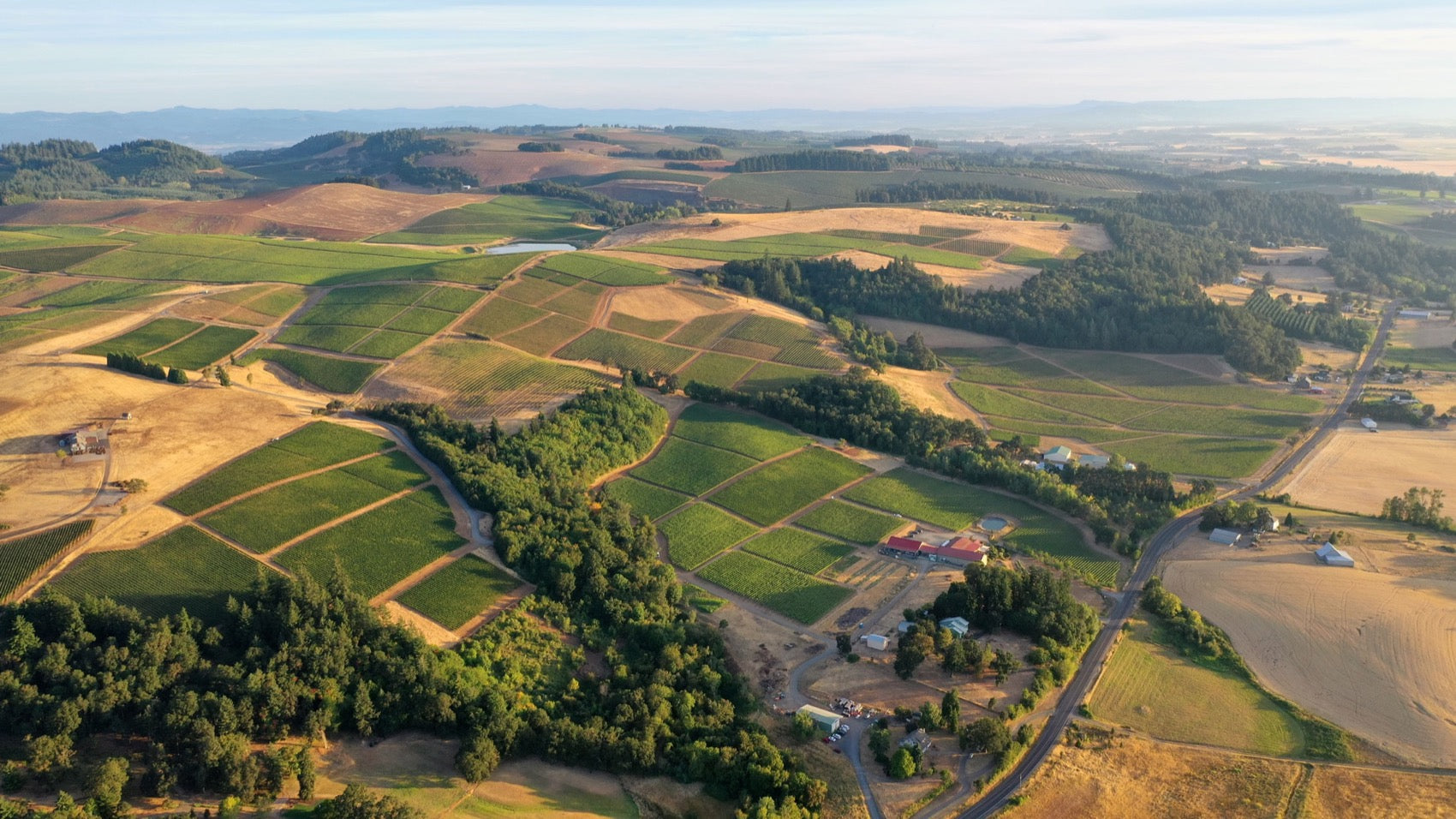
Today Sonoma farms more vines than Napa across twice the land, spread over nineteen federally recognized growing areas that run from fog-soaked ocean ridges to hot inland valleys.
Call it Napa's little sibling and you've got it backwards.

The Fog Machine
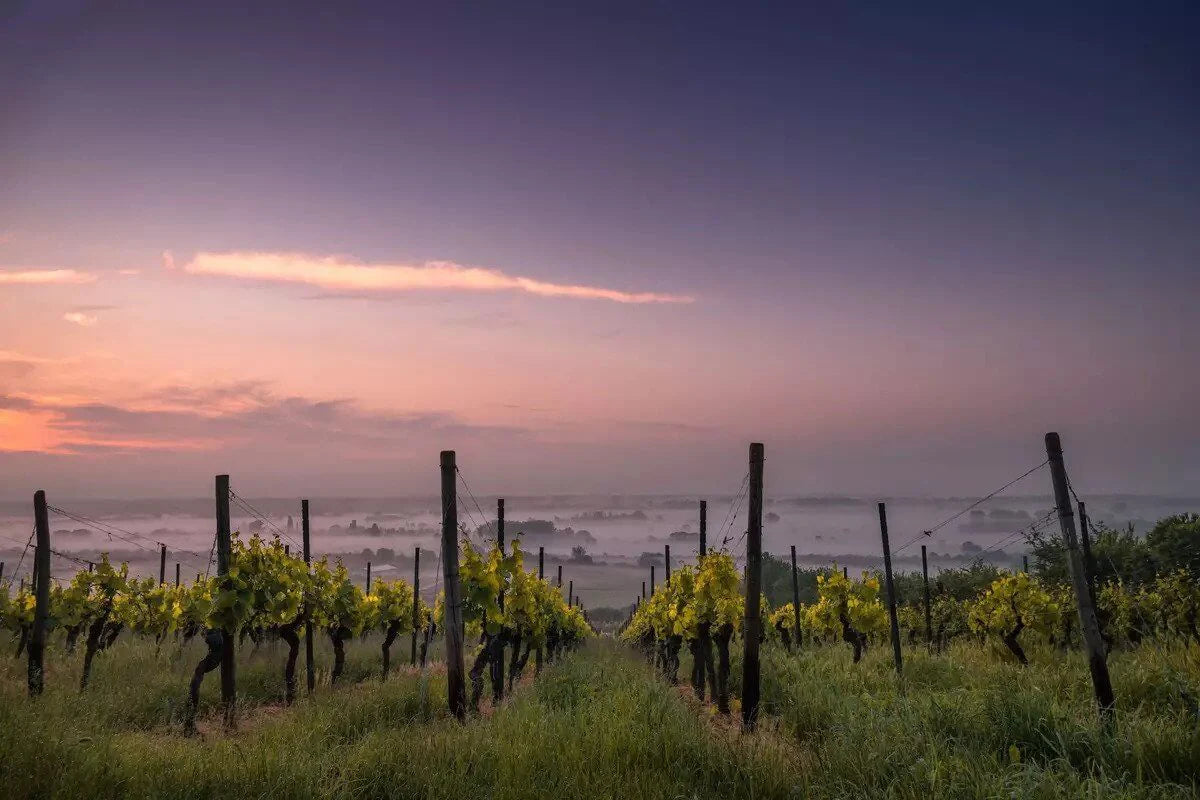
Sonoma's quality engine is refrigeration you can see. Every afternoon in summer, cold Pacific air — chilled by the same currents that keep San Francisco in sweaters — pours through the Petaluma Gap and up the Russian River corridor, dragging a wall of fog across the vineyards by evening. Mornings burn clear, afternoons warm up, and the fog returns like a tide. That daily cycle can swing temperatures forty degrees and stretch ripening by weeks, which is how Pinot Noir and Chardonnay build flavor here without losing their acid. Drive inland and the fog gives out. Alexander Valley and Dry Creek sit in honest Mediterranean heat that Cabernet and Zinfandel drink up. Forty minutes of driving and you're in a different country. That's the whole story of Sonoma.

The Map That Matters
Start with the Russian River Valley. This is the fog's home turf and America's benchmark for Pinot Noir that's lush and still fresh. Much of it grows on Goldridge — a fine sandy loam off an ancient seabed that drains like a sieve. Stressed vines, concentrated fruit.
Go further west and it gets serious. The extreme Sonoma Coast ridges above the ocean are where the growers I respect most are farming: piercing red fruit, spice, salt. It's a gamble every vintage.
Dry Creek Valley is where I'd send you for Zinfandel. Head-trained vines a century old, planted by Italian families, still producing. Brambly, peppery, and living history you can actually drink.
Alexander Valley does the plush, cedar-edged Cabernet — the reason half my Sonoma buying budget goes there.
What Sonoma Does Best
Pinot Noir is the county's modern flag — silky and berry-generous in Russian River, taut and saline out on the true coast. Chardonnay here runs the full register, but the top sites deliver the style critics keep calling Burgundian: struck-match tension, citrus, restraint.
Zinfandel is the claim nobody can take from Sonoma. I don't know anywhere else farming this much serious old-vine Zin. These aren't curiosities — they're American originals, and I think they're the most underpriced category in California.
Three more worth knowing. Cabernet Sauvignon from Alexander Valley and the mountain edges gives claret drinkers real value. Cool-climate Syrah off the coast and the Gap is the bottle sommeliers order and nobody else asks for. And Carneros sparkling wine, built on that same cold wind, gets you Champagne method without the Champagne bill.

The Names That Made the Case
Hanzell, in the hills above Sonoma town, planted Pinot and Chardonnay in 1953 that still produce today — and brought Burgundian ambition to California with them. Williams Selyem turned a garage operation into the state's first Pinot cult, allocation list and all. Rochioli grew the fruit that made that revolution possible.
Out on the coast, Hirsch and Littorai defined the extreme-terroir style. Ridge's Lytton Springs and the old Italian family cellars keep ancient-vine Zinfandel serious. Jordan brought chateau polish to Alexander Valley Cabernet.
Sonoma's icons are farmers first. The county never fully surrendered to glamour, and I'd argue the wines are better for it.
Buying Sonoma Smart
Here's the math I actually use. Same quality as the valley next door, one price tier down.
Russian River Pinot in the $35-to-$60 band competes with Napa-adjacent bottlings at $75 and up.
Alexander Valley Cabernet in the $30s to $50s drinks like twice the money.
Old-vine Zin at $25 to $40 is a category California owns alone, and still underprices.
True Sonoma Coast Pinot tops out past $60. I'd pour it against Burgundies at the same price without flinching.
Buy Sonoma and you get the same bottle, one tier down. I've never had a customer complain about that trade.
Quick Answers: Sonoma Wine
How many AVAs does Sonoma County have?
Nineteen. Sonoma County holds more federally recognized American Viticultural Areas than any other county in California, from the cold Pacific ridges of West Sonoma Coast — approved in 2022, and the one that took the count from 18 to 19 — to the hot inland floor of Alexander Valley.
Is Sonoma better than Napa?
Different, and often better value. Sonoma is twice Napa's size with more diverse climates — cold Pacific coast to warm inland valleys — and its comparable-quality Pinot, Chardonnay, Zinfandel and Cabernet typically sell one price tier lower. I sell both. Sonoma wins on value more often than Napa fans want to hear.
What is the Russian River Valley known for?
Silky, lush-yet-fresh Pinot Noir and Chardonnay, grown in daily Pacific fog on sandy Goldridge soils. It's the American benchmark for the style, and the top single-vineyard bottlings compete directly with far pricier Burgundies.
Why is Sonoma called the birthplace of California wine?
Russian colonists planted vines at Fort Ross in 1812, the state's last mission planted vineyards in Sonoma in 1823, and Agoston Haraszthy founded Buena Vista — California's pioneering commercial winery — there in 1857, importing 100,000 European cuttings.
What is old-vine Zinfandel?
Zinfandel from head-trained vineyards planted by Italian immigrant families a century or more ago, especially in Dry Creek Valley and Sonoma Valley. Low yields from ancient vines give concentrated, brambly, peppery reds. It's living California history, and it's still cheap.
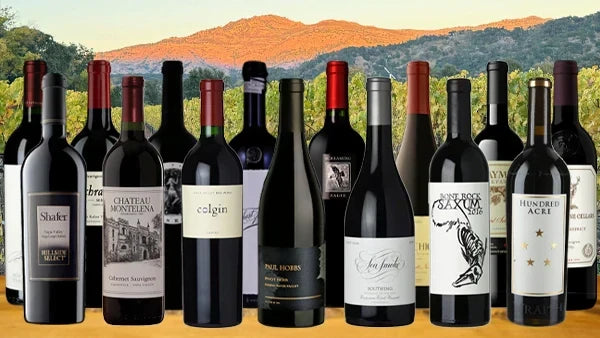
Ready to explore? Our Sonoma collection carries our current selection. And if you're hunting a specific bottle from the region, contact us for a quote — we source wine globally, with a 12-bottle minimum on special orders.





Shop Our Sonoma Collection
SHOP COLLECTIONShare:
Loire Valley Wine: France's Longest Wine List
Portuguese Wine: Europe's Deepest Value, From Vinho Verde to Vintage Port
Comments Section