

In 1985, a few cases of Sauvignon Blanc from a brand-new Marlborough winery called Cloudy Bay landed in London, and the tasting notes read like nobody had ever smelled wine before.

Gooseberry, passionfruit, cut grass, lime zest. At a volume no Sancerre had ever attempted.
Within a decade "Marlborough Sauvignon" was a global category with one country's name on it. No wine nation has ever gone from unknown to owning a worldwide style that fast — a country of about five million people, where no vineyard sits more than about eighty miles from the sea, and where the entire modern industry is barely fifty years old.
All of that is true. It's also the part everyone already knows, and the reason most drinkers never get to the good stuff.
Why It Tastes Like That
New Zealand's flavor signature — that impossible combination of ripe tropical fruit and razor acidity — is climate arithmetic.
These are among the southernmost vineyards on earth, bathed in hard clear light (the UV here is measurably fiercer than at equivalent northern latitudes) and cooled relentlessly by ocean on every side. Long sunshine hours ripen flavor. Cold nights and sea wind slam the acidity shut.
In Sauvignon Blanc that preserves both families of its aroma chemistry at once: the green, grassy methoxypyrazines and the passionfruit-and-grapefruit thiols. Which is why Marlborough tastes like Sancerre turned up to eleven.
That's not winemaking trickery. It's geography nobody can copy.
Marlborough: More Than One Valley
At the top of the South Island, Marlborough holds roughly two-thirds of the country's vines. The insider move is knowing it isn't one place.
The Wairau Valley, the original heartland, is stony, sunny and generous — tropical fruit, immediacy, charm.
The Awatere Valley, over a ridge to the south, is higher, cooler, drier and blasted by wind off the Pacific. Its Sauvignon runs leaner and saltier: tomato leaf, blackcurrant bud, crushed shell.

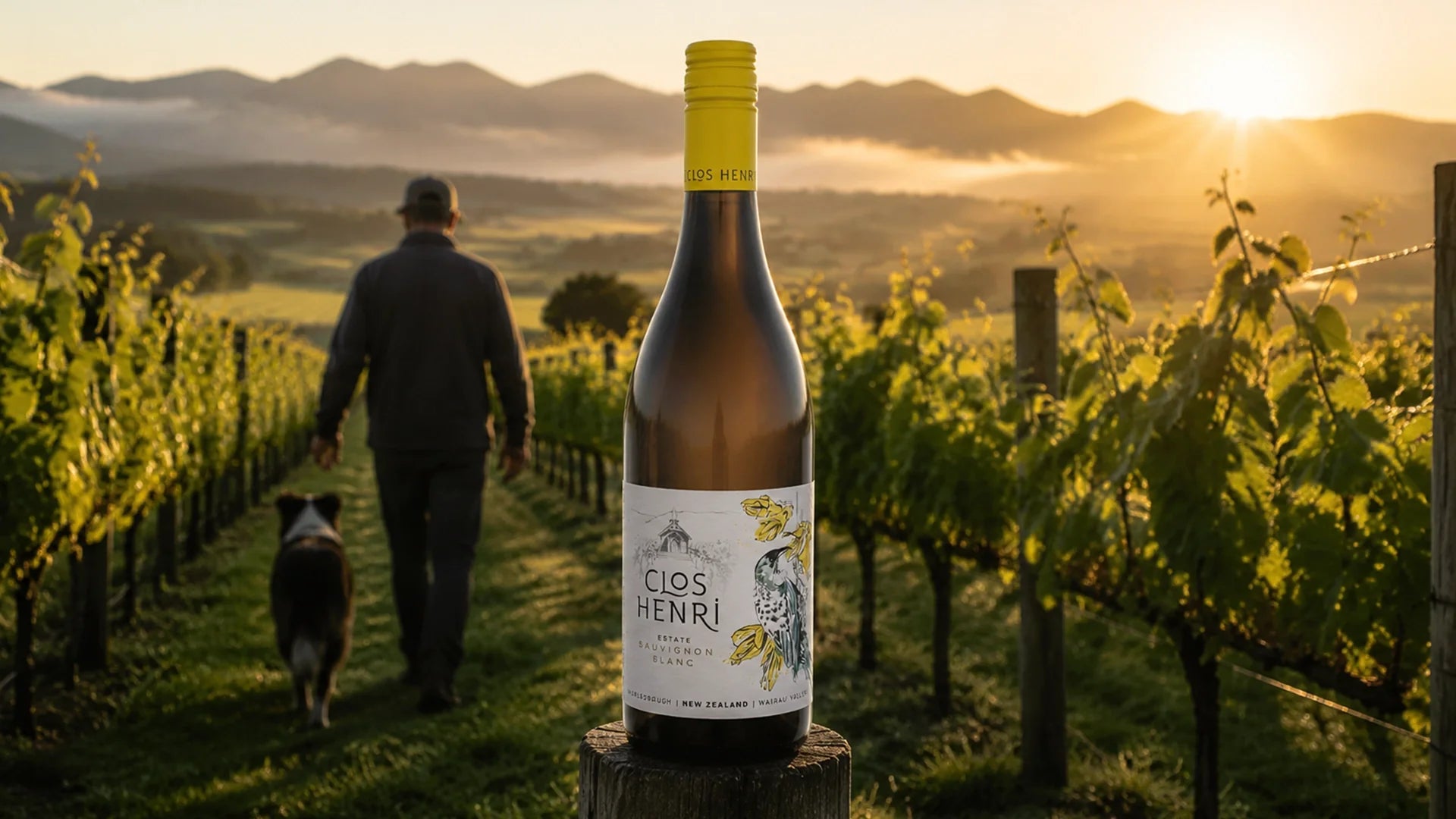
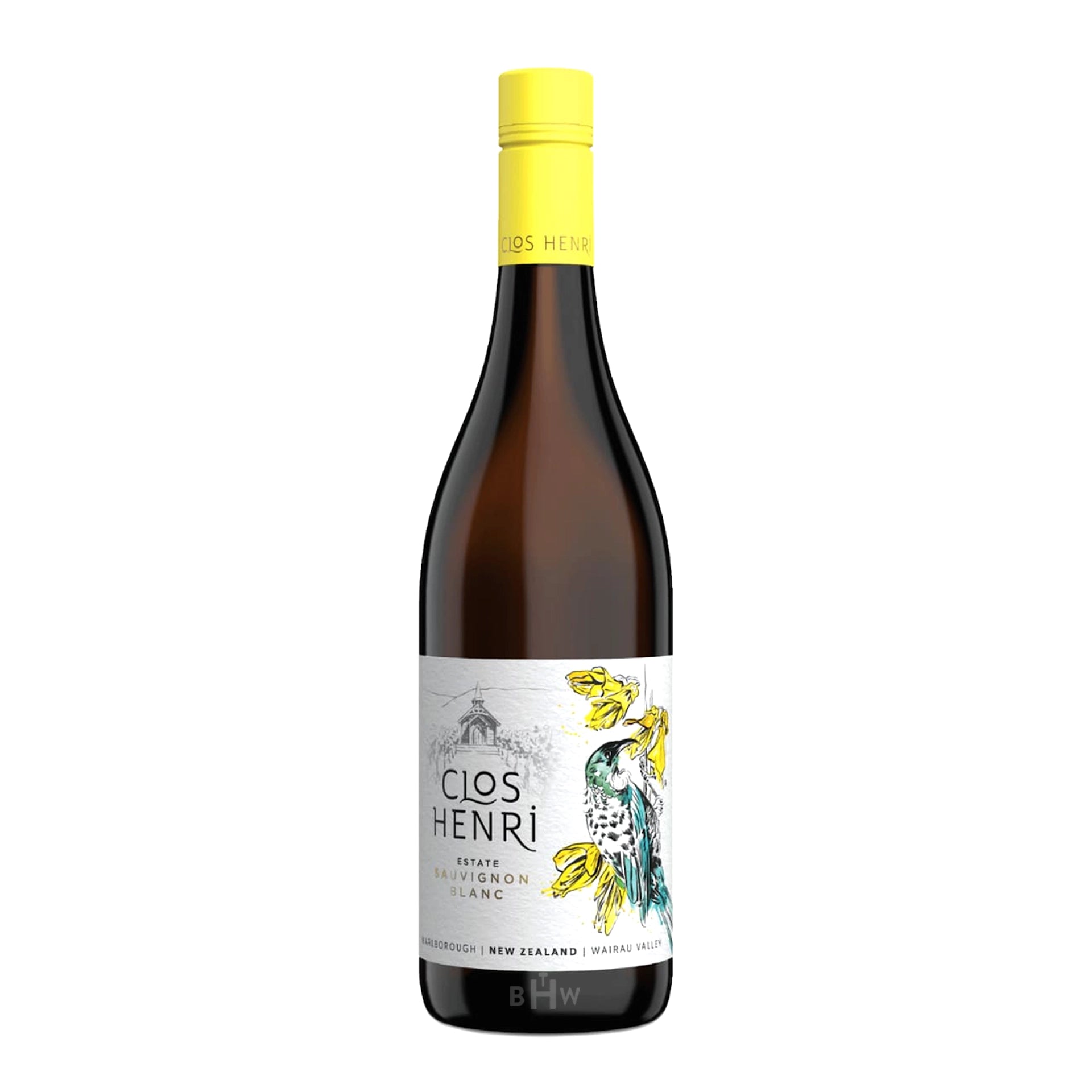
Single-valley and single-vineyard bottlings from either side are a different species from the big-tank supermarket blends. And the fact that Sancerre's own Bourgeois family crossed the planet to plant Clos Henri in Marlborough clay tells you what the Loire privately thinks of this dirt.
Marlborough's second act is already underway: Pinot Noir off the clay hillsides, and serious barrel-fermented, wild-yeast Sauvignon built to age. Greywacke — founded by Kevin Judd, Cloudy Bay's original winemaker — and Dog Point lead that movement, alongside aromatic Riesling and Pinot Gris that rarely leave the country.
Central Otago: Pinot at the Edge of the Map
Bottom of the South Island, ringed by snow mountains, sits the world's southernmost serious wine region — and the country's only truly continental climate, beyond the ocean's reach.
Central Otago is gold-rush country. Miners tore through its schist gorges in the 1860s, and the same glinting rock now grows New Zealand's most coveted Pinot Noir.
Hot dry summer days, frigid nights, hillsides covered in wild thyme. The Pinot comes out dark cherry, dried herb, alpine clarity — riper than Burgundy, wilder than Oregon.
Bannockburn is the golden sub-zone and Felton Road its most famous name, farming biodynamically and selling on allocation worldwide. For value, watch neighboring Waitaki and the wider Otago valleys. The region's second wave is arriving at friendlier prices.
The North Island: Gravel, Grit and Grand Reds
Hawke's Bay, on the sunny east coast, is the country's Bordeaux.
Its trump card is a freak of hydrology. In 1867 the Ngaruroro River flooded and shifted course, exposing a bed of deep warm shingle now called the Gimblett Gravels — soil so stony it was nearly worthless farmland until vines proved otherwise. Cabernet-Merlot blends and Syrah off it, like Te Mata's Coleraine and Craggy Range's Le Sol, age twenty years and sell for a fraction of the imports they beat in blind tastings.
Martinborough, a one-street town at the island's southern tip, grows brooding spice-laden Pinot on an old river terrace. Ata Rangi is the standard.
And Waiheke Island, a ferry ride from Auckland, makes glamorous micro-production reds with a sea view, priced accordingly.
The Screwcap Nation

New Zealand made one more bet the rest of the world is still catching up to. In 2001 its winemakers moved almost unanimously to screwcap closures, and today virtually the entire national production uses them — fine wine included.
The logic was cold-eyed. Cork taint was ruining a measurable share of every vintage, and screwcaps preserve exactly the freshness this country's style depends on.
Two decades of evidence now show top Rieslings, Sauvignons and Pinots aging beautifully under the cap. If a sommelier ever tells you screwcap means cheap, hand them a fifteen-year-old Kiwi Riesling and step back.
Buying New Zealand Smart
Pay two or three dollars more for named-valley or single-vineyard Sauvignon. The jump in character is the best upgrade available in white wine, and it's the one I push hardest.
Treat Central Otago Pinot as Burgundy-quality drinking at premier-cru-minus pricing, and Martinborough as its shadowy, underrated sibling.
Hunt Gimblett Gravels Syrah before the rest of the world reads about it twice.
And never age-shame a screwcap. It's the most honest closure in wine, sitting on some of the most honest wine anywhere.
Quick Answers: New Zealand Wine
Why does New Zealand Sauvignon Blanc taste so distinctive?
Marlborough's combination of intense sunlight, cool ocean air and big day-night temperature swings preserves both the grape's green, grassy aromas and its tropical passionfruit notes at full volume — a double signature no other region reproduces at the same intensity.
What is the difference between Wairau and Awatere Valley Sauvignon?
Both are Marlborough. The Wairau Valley is sunnier and gives riper, more tropical, generous wines. The Awatere is higher, cooler and windier, producing leaner, saltier Sauvignon with tomato-leaf and mineral notes. Single-valley bottlings show a real terroir difference.
Is New Zealand Pinot Noir good?
Excellent. Central Otago, the world's southernmost fine-wine region, produces dark-cherry, thyme-scented Pinot from schist soils, while Martinborough adds a spicier, earthier style. Quality rivals good Burgundy at meaningfully lower prices.
What are the Gimblett Gravels?
A stony riverbed in Hawke's Bay exposed when the Ngaruroro River changed course in 1867. The deep warm shingle was nearly useless for farming but turned out to be New Zealand's best site for Cabernet, Merlot and Syrah, producing reds that age for two decades.
Why do New Zealand wines use screwcaps?
The industry adopted screwcaps almost universally from 2001 to eliminate cork taint and preserve freshness. Two decades of evidence show top Rieslings, Sauvignons and Pinots aging beautifully under screwcap — it signals quality control, not cheapness.
Ready to explore? Our New Zealand collection carries our current selection. And if you're hunting a specific bottle from the region, contact us for a quote — we source wine globally, with a 12-bottle minimum on special orders.





Shop Our New Zealand Collection
SHOP COLLECTIONShare:
Australian Wine: From Barossa Muscle to Margaret River Polish
Washington Wine: America's Second-Largest Producer Is Nobody's Second Choice
Comments Section