

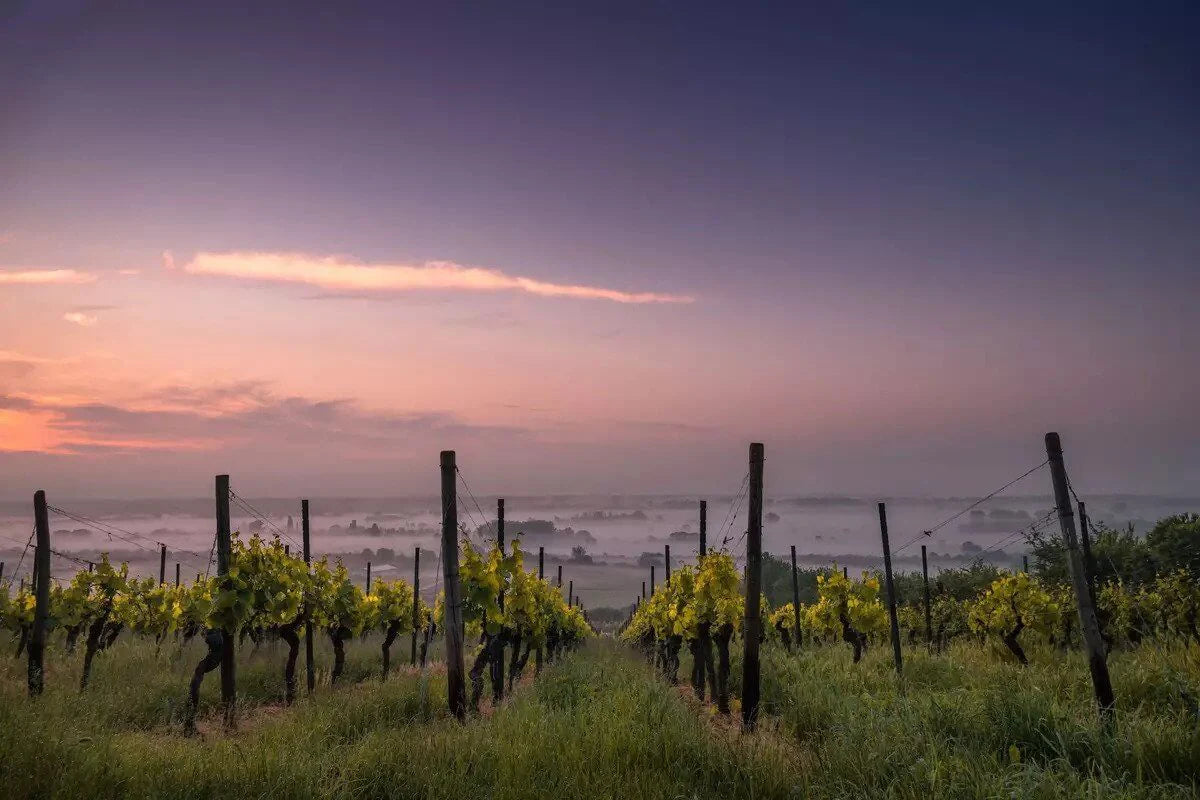

Everyone pictures Washington wrong. The postcard is Seattle drizzle, evergreens, gray skies — and none of it grows a single wine grape that matters.
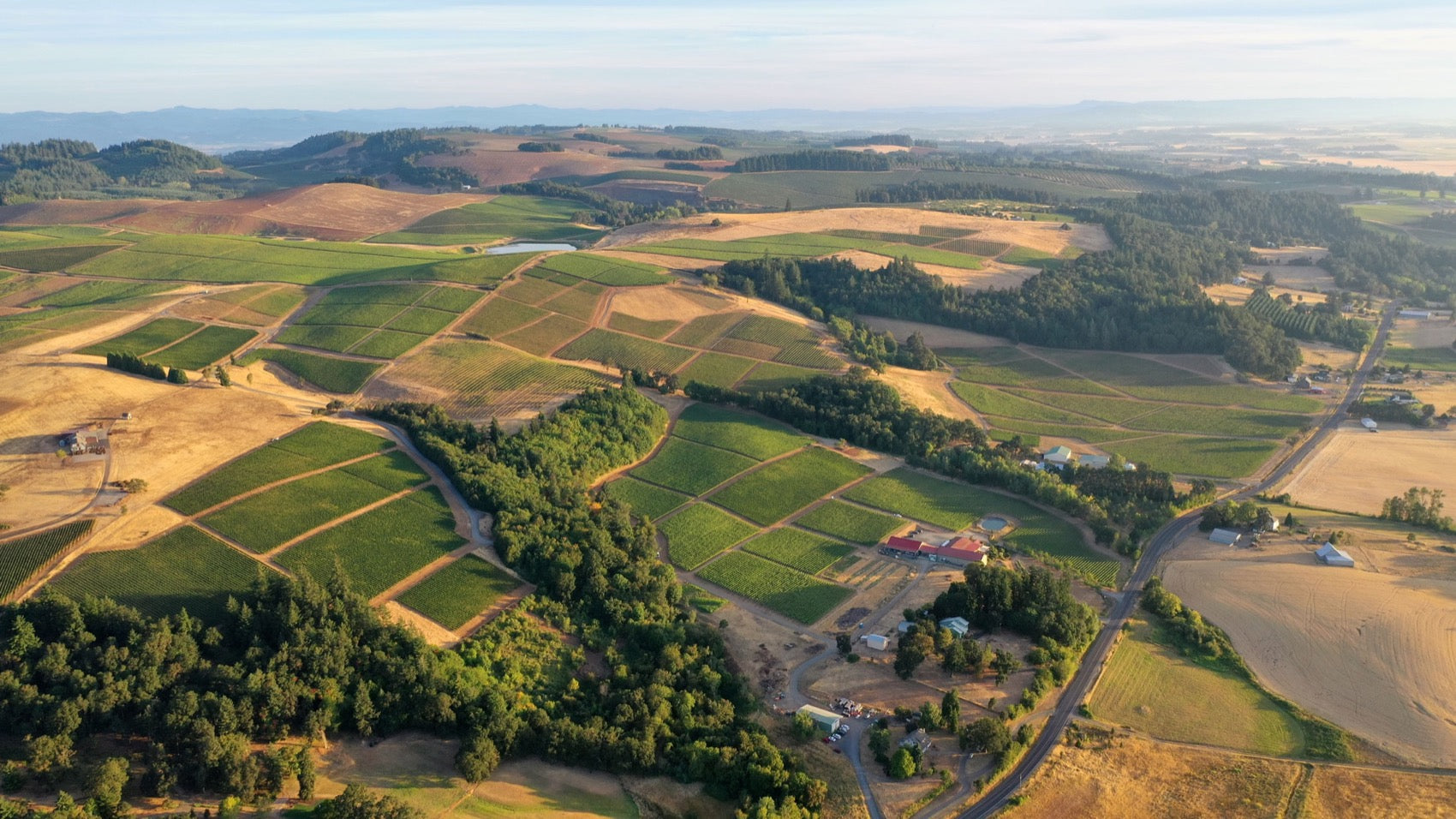
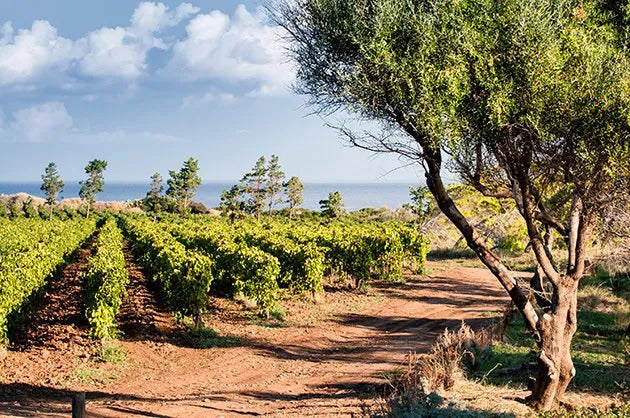
Drive two hours east over the Cascades and the trees quit. The sky opens. You drop into high desert that sees six to eight inches of rain a year and three hundred days of sun.
This is the Columbia Valley. I've been buying out of it for years, and I'll say it plainly: pound for pound, it's the most underpriced source of serious red wine in America.

Built by Catastrophe
Washington's vineyards ride the wreckage of the most violent floods in Earth's known history. At the end of the last ice age, a glacial dam holding back a lake the size of a small sea failed — then refilled and failed again, dozens of times over two thousand years. Each collapse sent a wall of water hundreds of feet high tearing across eastern Washington at highway speed, scouring the land to bedrock and dumping gravel, sand and silt as it slowed.
Those Missoula Flood deposits, layered over ancient basalt and topped with wind-blown loess, are today's vineyard soils. Deep, poor, fast-draining. Everything a wine grape wants and almost nothing a farmer would choose for anything else.
The sand throws in a bonus almost nowhere else on the planet gets. Phylloxera — the root louse that forced virtually all the world's vineyards onto grafted rootstock — can't establish itself in it. Washington's vines grow on their own roots, the way Europe's did before the 1870s. Growers here will argue, glass in hand, that own-rooted vines give purer varietal character. I've tasted enough of them to think they might be onto something.
Desert Sun, Northern Light, Cold Nights
The Cascades wring the Pacific storms dry. Seattle gets nearly forty inches of rain a year; the Columbia Valley gets single digits. That means growers control water like a dial through drip irrigation, and mildew barely exists.
Sitting at 46 to 47 degrees north — level with the stretch of France between Bordeaux and Burgundy — the valley runs up to seventeen hours of summer daylight, roughly an hour more than California's prime growing region at the peak of the season.
Then the desert does its nightly trick. Temperatures that hit the 90s at noon plunge forty degrees by 3 a.m. Sugar from the sun, acid held by the cold. It's the same one-two punch that makes Spain's high plains and Argentina's Andes sing, and it's why Washington reds carry ripeness without going flabby.

The Places That Matter
Nearly everything grows inside the vast Columbia Valley umbrella, but four names do the heavy lifting.
The Yakima Valley is the elder statesman — the state's first AVA, and home to fruit sources like Boushey and DuBrul that other winemakers build their reputations on.
Red Mountain is a bare southwest-tilted slope above the Yakima River, the hottest site in the state and its Cabernet engine. Klipsun and Ciel du Cheval sell fruit to half the best wineries in Washington. The tannins come off that hill with real authority.
Horse Heaven Hills gets raked by relentless wind off the Columbia Gorge, which thickens skins and calms vigor. It gave the state its most storied Cabernet vineyard, Champoux.
And Walla Walla — a college-town valley straddling the Oregon line — is the spiritual capital, where Leonetti Cellar opened as the valley's first commercial winery in 1977 and a farming community reinvented itself around wine.

Walla Walla also hides one of American wine's strangest terroirs. The Rocks District is an old riverbed paved with fist-sized basalt cobbles that soak up heat all day and radiate it back at night — Chateauneuf-du-Pape's galets, transplanted to the Pacific Northwest.
Syrah grown on it tastes like nothing else in America. Smoked meat, black olive, iron, and a wild funk you either love on contact or never come around to. Cayuse planted it first in 1997 and became a cult. I'm in the love-it camp, for what that's worth.
What to Drink From Washington
Cabernet Sauvignon is the flagship — structured, dark, built to age, and routinely half the price of comparable Napa. Quilceda Creek has pulled multiple perfect scores doing exactly this.
Merlot is taken seriously here in a way California gave up on. Leonetti and Northstar built reputations on it, and if the only Merlot you've had was an apology, start here.
Syrah is my pick and the connoisseur's — savory and northern-Rhône-leaning out of the Rocks and the Horse Heaven wind country.
And don't skip the whites. Washington grows more Riesling than anywhere in America. Chateau Ste. Michelle is the world's largest Riesling producer, and its Eroica project with the Mosel's Ernst Loosen proved the desert could do nervy and mineral. Chardonnay and Bordeaux-style blends fill out a bench that keeps getting deeper — K Vintners and the Charles Smith stable made the whole state feel loud and modern, while Betz, Abeja and Force Majeure quietly stack up the scores.
The Bottom Line for Buyers
Washington's problem is marketing, not winemaking. That problem is your margin.
The $25-to-$60 shelf is where the state embarrasses its neighbors: real structure, real aging capacity, real site character, priced like California was fifteen years ago.
Cellar the top Cabernets ten years and don't think about it again. Drink Rocks Syrah for the story alone. Keep a Washington Riesling cold for anything spicy.
The winemakers already know. The price tags haven't caught up yet. That gap is the whole opportunity, and it won't stay open forever.

Quick Answers: Washington Wine
Is Washington state actually good for wine?
Yes. It's America's second-largest producer, and its Columbia Valley sits in a desert rain shadow with 300 days of sun, own-rooted vines and cold desert nights. Top Washington Cabernet has earned perfect 100-point scores while typically costing half of comparable Napa.
Why are Washington vines planted on their own roots?
The phylloxera louse that forced most of the world onto grafted rootstock can't establish itself in the region's sandy, flood-deposited soils. So Washington still farms ungrafted vinifera vines — a rarity shared with only a few places on earth, and prized for purity of varietal character.
What is the Rocks District Syrah style?
Syrah grown on the cobblestone-paved old riverbed near Milton-Freewater in the Walla Walla Valley develops savory aromas of smoked meat, black olive and iron. It's an unmistakable, Chateauneuf-like character, and one of American wine's most distinctive signatures.
What grapes grow best in Washington?
Cabernet Sauvignon leads for structured, age-worthy reds. Merlot and Syrah both excel, and Washington grows more Riesling than any other US state — Chateau Ste. Michelle is the world's largest Riesling producer. Bordeaux-style blends and Chardonnay round out the core.
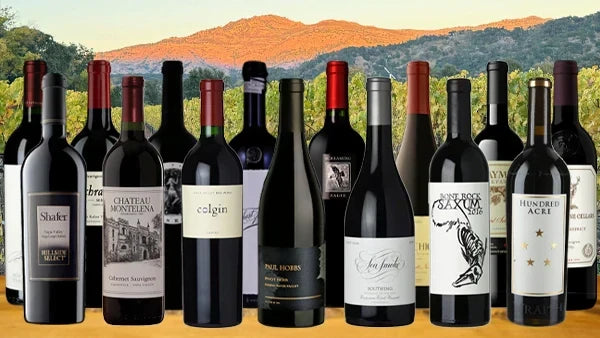
Ready to explore? Our Washington collection carries our current selection. And if you're hunting a specific bottle from the region, contact us for a quote — we source wine globally, with a 12-bottle minimum on special orders.








Shop Our Washington Collection
SHOP COLLECTIONShare:
Australian Wine: From Barossa Muscle to Margaret River Polish
New Zealand Wine: The Sauvignon That Conquered the World - and What to Drink Next
Comments Section