

On May 24, 1976, in a Paris hotel, nine French judges tasted California wines blind against first-growth Bordeaux and grand cru white Burgundy, and ranked a 1973 Stag's Leap Cabernet and a 1973 Chateau Montelena Chardonnay first.
One journalist was in the room, and his story ran four paragraphs in Time. Those four paragraphs detonated the old world order. The "Judgment of Paris" didn't just validate Napa; it licensed every ambitious winemaker from Oregon to Virginia to stop apologizing. Fifty years on, all fifty states make wine, and the American map is deeper, weirder, and better value than most drinkers realize.
California: The Giant

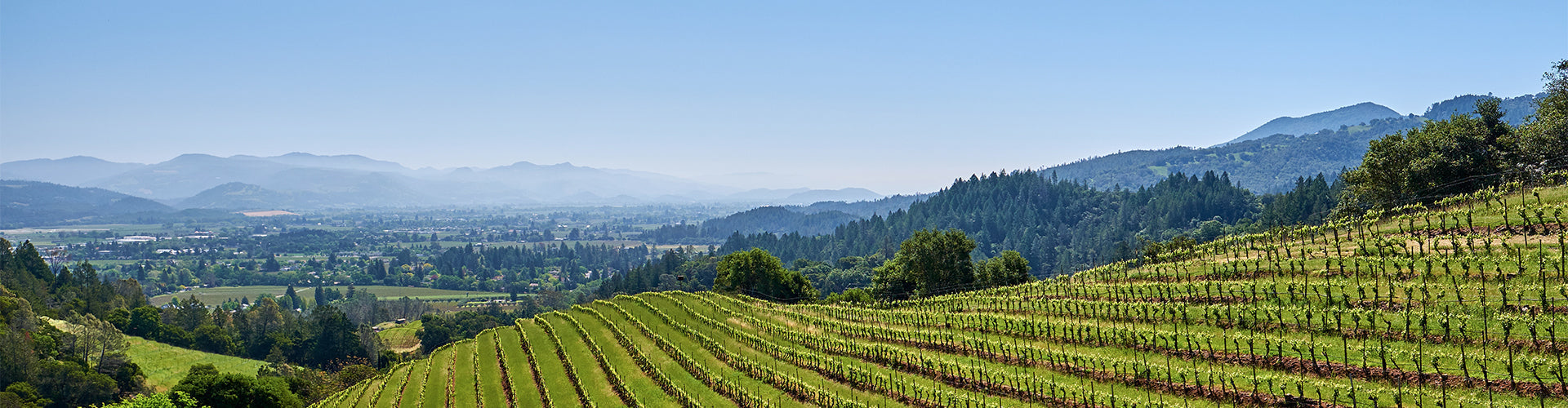
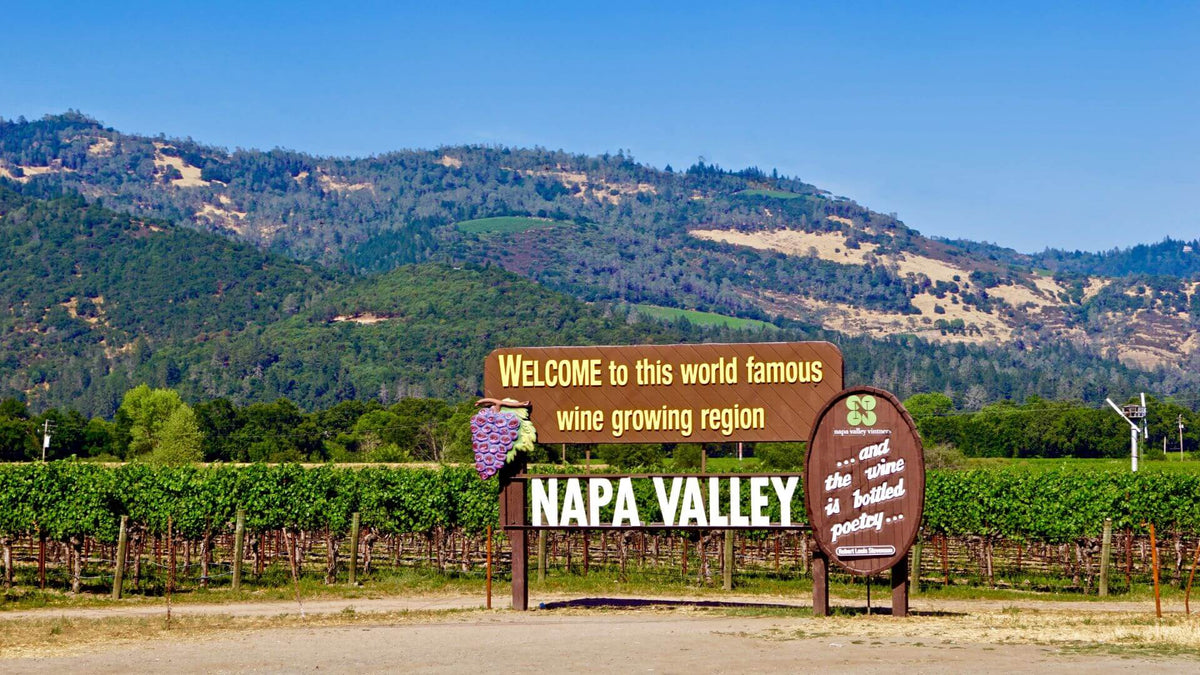
California makes roughly four of every five bottles of American wine, and its engine room is a valley thirty miles long. Napa's magic is geological chaos, a rift between two mountain ranges stuffed with dozens of soil series, plus a nightly air-conditioning system: San Pablo Bay fog rolls in cold every evening, so Cabernet ripens lush without going flabby.
The valley reads south-to-north like a thermostat (cool Carneros to warm Calistoga), and east-west like a texture dial: valley-floor opulence in Oakville and Rutherford (locals still talk about "Rutherford dust" tannins), mountain grip on Howell Mountain and Spring Mountain. History matters here. Heitz Cellar's 1966 Martha's Vineyard bottling was Napa's first single-vineyard-designated Cabernet, planting the flag for the vineyard-first thinking that now defines the valley's greatest sites, To Kalon above all.

Sonoma, one ridge west, is Napa's cooler, shaggier sibling and arguably the more diverse wine county in America: Russian River Valley Pinot Noir and Chardonnay built on morning fog, Dry Creek Valley Zinfandel, Alexander Valley Cabernet with a softer drawl.
Zinfandel deserves its own sentence - California's heritage grape, planted in the 1880s in gnarled field blends that survive in Lodi and Sonoma, is America's living link to pre-Prohibition wine (Ridge's Geyserville is the standard-bearer).
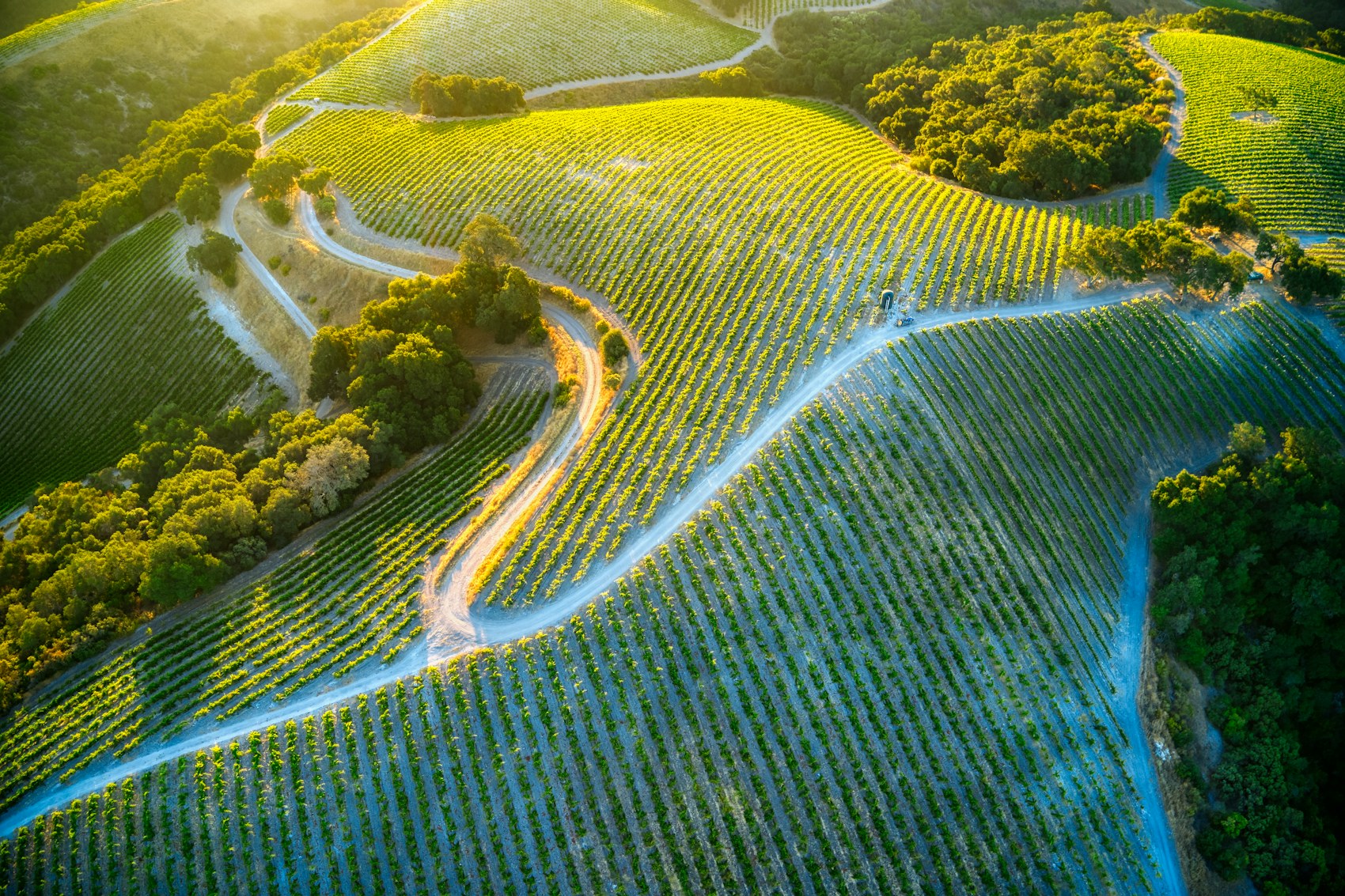
The Central Coast runs on transverse valleys - rare east-west mountain gaps that funnel Pacific chill inland - giving Santa Barbara County both cool-climate Pinot in the Sta. Rita Hills and warm Bordeaux varieties in Happy Canyon, a few miles apart. Paso Robles pairs opulent Cabernet with America's best Rhône-style blends, a movement blessed when Châteauneuf's Perrin family planted Tablas Creek from French cuttings. Ridge's Monte Bello, from limestone high in the Santa Cruz Mountains, remains the quiet first-growth of California - it placed in the original Paris tasting and won the 30th-anniversary rematch outright.
Oregon: Pinot's American Home
In 1965, a young Californian named David Lett drove north with 3,000 Pinot Noir cuttings and planted them in the Willamette Valley, on the advice that Oregon was too cold, too wet, too risky.
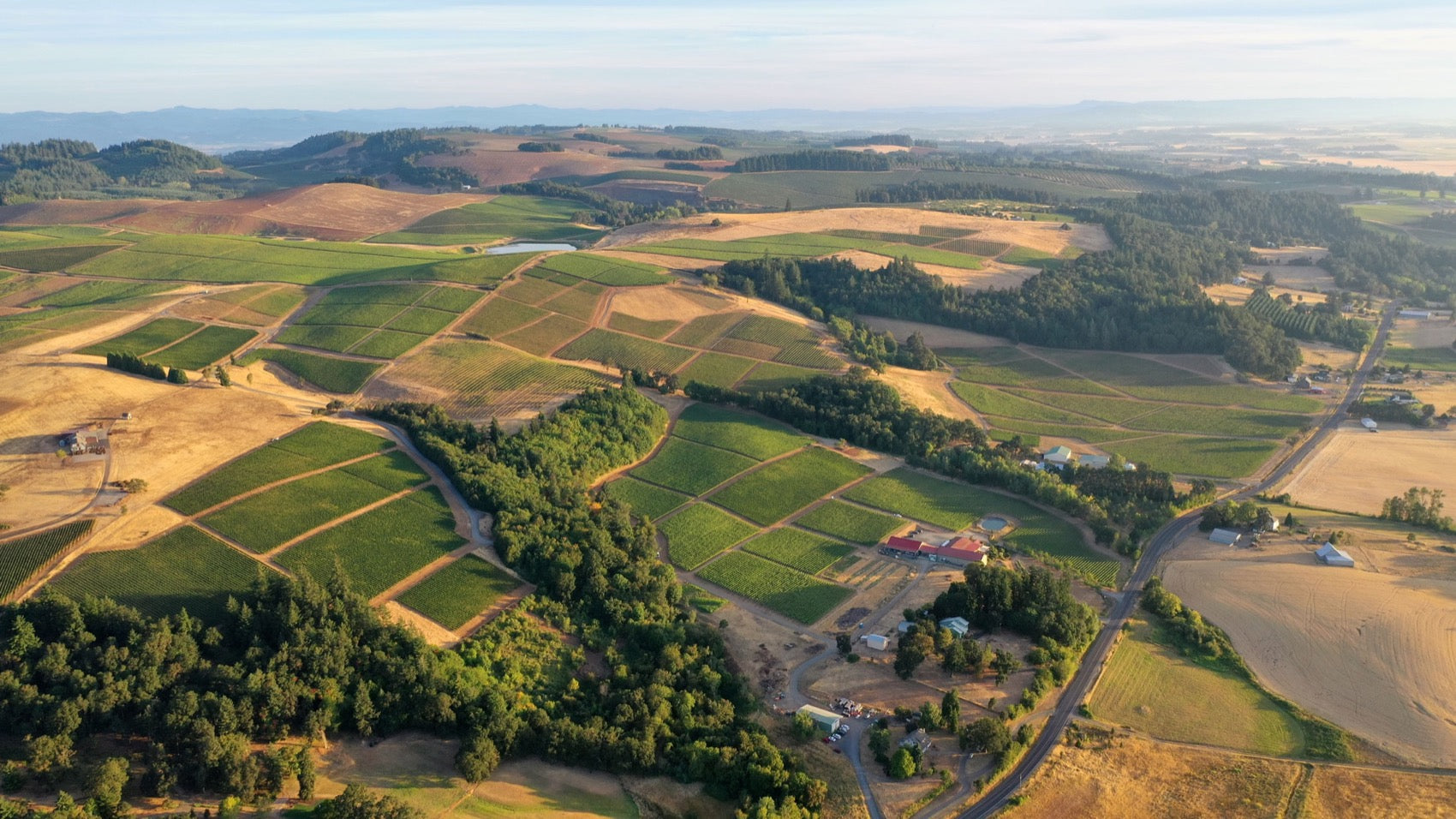
Fourteen years later, his Eyrie Vineyards Pinot placed against top Burgundies in a Paris tasting, close enough that Burgundy negociant Robert Drouhin re-ran the match, lost narrowly again, and responded by buying land down the road (Domaine Drouhin Oregon, 1987). That's the whole Willamette story in miniature: Burgundian scale and humility, on red volcanic Jory soils under marine-scrubbed skies, at nearly the latitude of the Côte d'Or.
The valley's nested AVAs - Dundee Hills, Ribbon Ridge, Eola-Amity - now parse soil the way Burgundy parses climats. Expect red cherry, forest floor, and a transparency California rarely attempts, at prices Burgundy abandoned a generation ago.
Washington: The Desert Secret
Cross the Cascades from Seattle, and the rain stops - six inches a year in the Columbia Valley, where ice-age megafloods laid down the gravel and silt that now grow America's second-largest wine harvest.
Own-rooted vines (phylloxera never took hold in the sandy soils), two extra hours of summer daylight at 46 degrees north, and cold desert nights produce Cabernet and Syrah with Napa ripeness and European spine at half the tariff - Quilceda Creek's perfect scores and the savory Syrahs of Walla Walla's Rocks District are the proof points. Washington earns its own deep-dive; consider this the trailhead.
The East and Everywhere Else
The Finger Lakes in upstate New York are America's Mosel: eleven glacial lakes storing summer heat against brutal winters, and dry Riesling, crystalline, lime-and-slate, that belongs in any world lineup. The revolution began in 1962 when Ukrainian émigré Dr. Konstantin Frank proved European vinifera vines could survive there at all (Hermann J. Wiemer carries the torch).
Virginia is redeeming Thomas Jefferson's failed vineyard dream with plush Viognier and Petit Verdot.
Texas Hill Country has found its grape in Tempranillo.
And in the New Mexico high desert, the Gruet family, Champagne growers who wandered through in 1983, make traditional-method bubbles that routinely embarrass bottles at three times the price. American wine's frontier isn't closing; it's multiplying.
What an AVA Does (and Doesn't) Tell You
The American Viticultural Area system, 270-plus mapped growing regions, certifies only geography: 85 percent of the fruit must come from the named place. Unlike French appellations, an AVA dictates nothing about grapes, yields, or style. That freedom is the American experiment in a sentence, and it means the producer's name carries even more weight here than in Europe. Learn a handful of growers you trust; the rest of the label is scenery.
Buying America Smart
The trophies are real, but the value lives one shelf over: mountain-fruit Napa from names that don't advertise, Sonoma Pinot in the $30s, Lodi old-vine Zin under $25, Willamette village-level Pinot before the next price ratchet, Finger Lakes Riesling that drinks like $60 Kabinett for $22, and Washington reds that make Napa comparisons uncomfortable. Fifty years after Paris, the smart money still bets on the challengers.
Quick Answers: United States Wine
What was the Judgment of Paris?
A 1976 blind tasting in which French judges ranked a Napa Cabernet and a Napa Chardonnay above first-growth Bordeaux and grand cru white Burgundy. It legitimized American fine wine overnight and emboldened winemakers across the country.
Which US states make serious wine besides California?
Washington (structured Cabernet and Syrah), Oregon (Willamette Valley Pinot Noir), and New York (Finger Lakes Riesling) lead, with Virginia, Texas and New Mexico rising. All fifty states now make wine, and the quality frontier keeps widening.
What does an AVA on the label actually guarantee?
Only geography: at least 85 percent of the grapes must come from the named American Viticultural Area. Unlike European appellations, an AVA dictates nothing about grapes, yields or style - so the producer's name matters even more than the place name.
Is Zinfandel really an American grape?
Its DNA is Croatian, but its culture is thoroughly American: planted in California by Gold Rush-era immigrants, it survives in gnarled 100-plus-year-old vineyards in Lodi and Sonoma that produce brambly, peppery reds found nowhere else on earth.
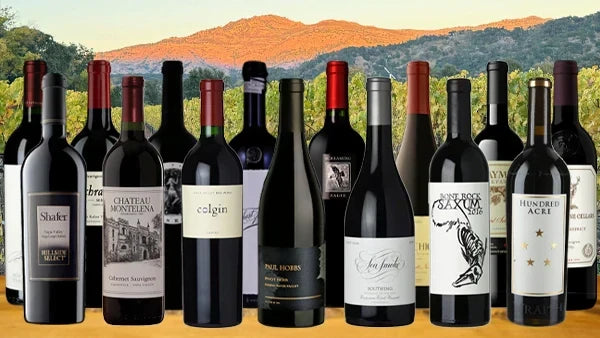
Ready to explore? Our United States collection carries our current selection. And if you are hunting a specific bottle from the region, contact us for a quote - we source wine globally, with a 12-bottle minimum on special orders.





Shop Our United States Collection
SHOP COLLECTIONShare:
Canadian Icewine: Winter's Greatest Trick (and the Wines Beyond It)
Canadian Icewine: Winter's Greatest Trick (and the Wines Beyond It)
Comments Section