

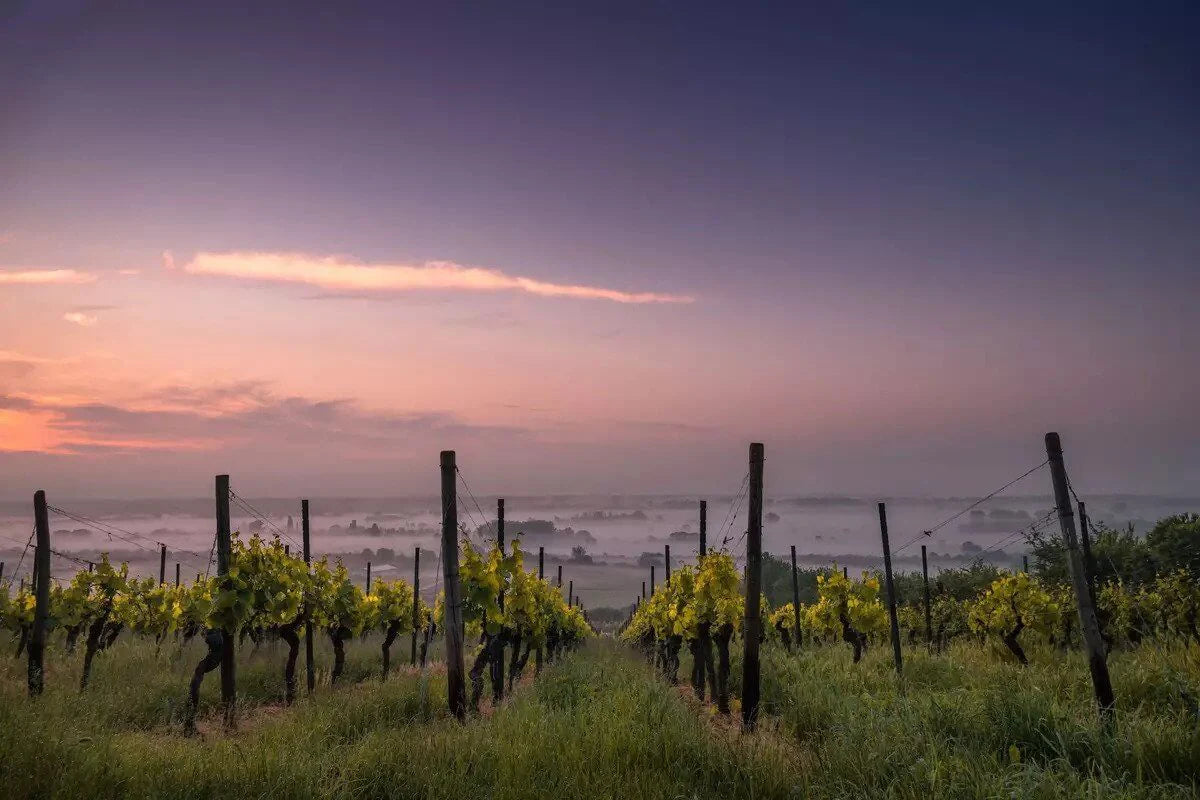
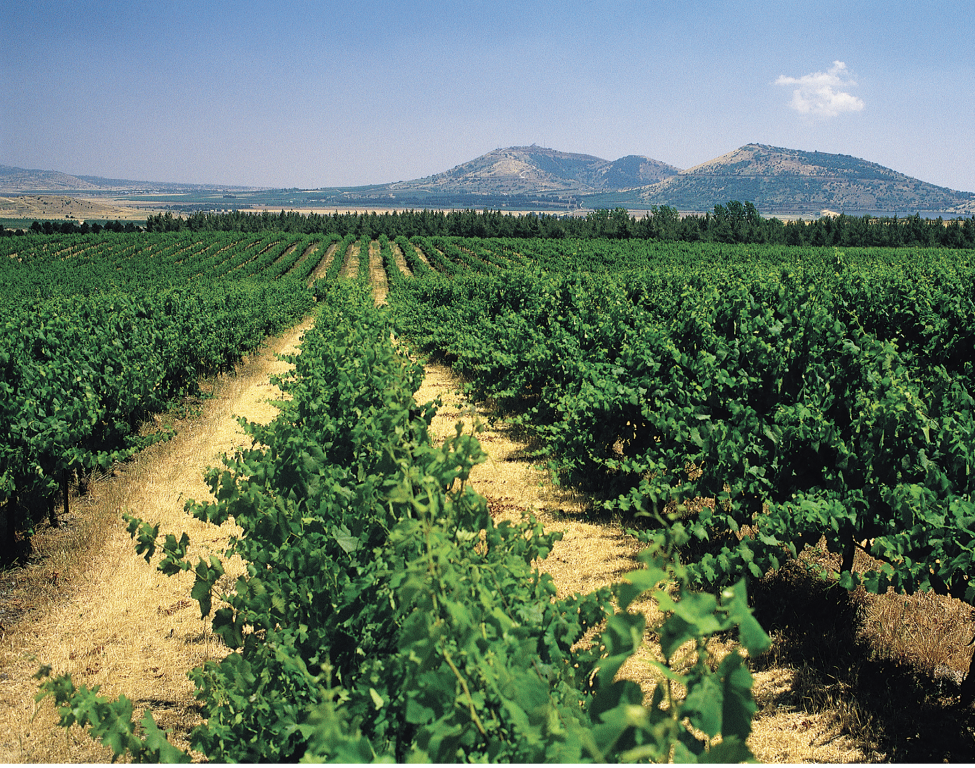
Israel is one of the oldest winegrowing places on earth, and one of the youngest fine-wine scenes.
Wine was pressed in these hills thousands of years before it reached France. Then it mostly stopped for centuries. The modern chapter is only about forty years old, and it's moving fast.
From Ancient Presses to a Modern Reboot
Archaeologists keep turning up ancient wine presses across the Galilee and the Judean Hills. This is wine country older than Rome.
The modern industry goes back to the 1880s, when Baron Edmond de Rothschild (yes, that Rothschild) funded vineyards and wineries for the young farming settlements. The real quality jump came in the 1980s. High-altitude planting and modern winemaking proved Israel could make serious, age-worthy wine, not just wine for the sacrament.
Today Israel has hundreds of wineries, from large industrial producers to tiny garagistes, and the top ones hold their own internationally.
The Regions That Matter
- Galilee and Upper Galilee. This is the quality engine. Altitude, rocky soils, and cool nights give structure to Cabernet Sauvignon, Shiraz, and Petite Sirah. Most of the Israeli wines we've stocked come from here.
- Judean Hills. Limestone and elevation around Jerusalem. The wines run more elegant and mineral, and it's a center for the indigenous-grape revival.
- Shomron and the coast. The historic heart of Rothschild-era planting. Warmer, with riper, more generous wines.
-
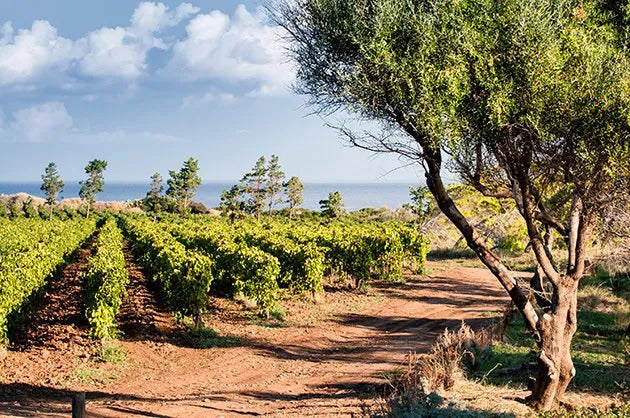
The Negev. Desert vineyards, made possible by drip irrigation, a technology Israel pioneered. Vines in the desert, and the wines are getting good.
The Grapes: International Names and an Ancient Revival
Israel built its modern reputation on international varieties: Cabernet Sauvignon, Merlot, Shiraz, and Petite Sirah. Lately the talk is Marselan, a Cabernet and Grenache cross that does well in the Galilee and could become the country's signature red.
The better story is the return of indigenous grapes. Recanati Winery brought back Marawi and Bittuni, local varieties older than the Romans, and turned them into serious modern wine. We stocked Recanati's Bittuni from the Judean Hills. It's light, spicy, and unlike anything else we carry.
The Kosher Question, Answered
Most Israeli export wine is kosher. Kosher tells you who handled the wine, not how it tastes. The winemaking uses the same modern techniques as anywhere else. The certification is about supervision, not style. (Mevushal wines get a quick flash-pasteurization step. Many of the top kosher wines are non-mevushal.) Bottom line: the best Israeli kosher wines are just the best Israeli wines.
If you want the deeper explainer, read our guide, Uncorking the Secrets of Kosher Wine.
What We've Poured
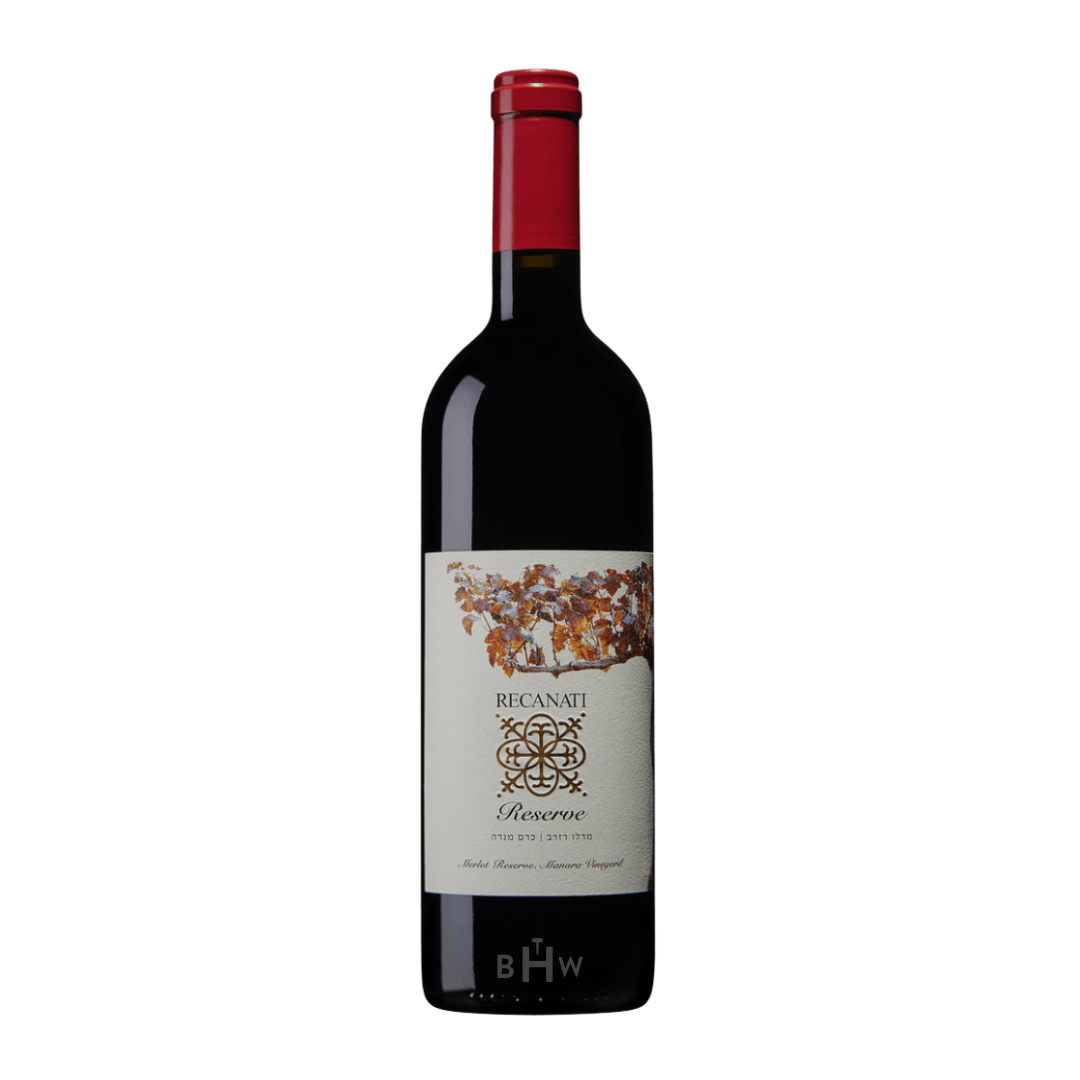
Our Israeli shelf has been mostly Recanati: the Upper Galilee Shiraz, the Reserve Marselan, the Special Reserve, the Reserve Merlot from the Manara Vineyard, a Wild Carignan, a Reserve Petite Sirah, and that Bittuni. Allocations are small and they sell through fast. But when an Israeli wine hits our 90 point bar, it earns a spot.
Looking for Israeli wine? We source small allocations you won't find elsewhere. Contact us: sales@bighammerwines.com, and we'll help you find the perfect bottle.
Quick Answers: Israel Wine
Is Israeli wine kosher, and does that affect quality?
Much of it is kosher, and it doesn't affect quality. Kosher rules govern who handles the wine, not how it's made. The winemaking is the same modern process used anywhere else. A wine being kosher tells you nothing about whether it's good.
Where are Israel's best vineyards?
Altitude is the key. The Golan Heights and Upper Galilee in the north, the Judean Hills near Jerusalem, and high plateaus in the Negev desert. Some sites sit as high as 3,900 feet, where cool nights keep the wines fresh.
What grapes does Israel grow?
Bordeaux and Mediterranean varieties lead: Cabernet, Syrah, Grenache, and Carignan. There's growing interest in heat-loving grapes from southern France and Spain, plus a revival of ancient local varieties like Marawi and Argaman.
Can you really grow wine in the Negev desert?
Yes. Drip irrigation, sandy loess soils, and big day-to-night temperature swings make the high Negev real wine country. It's the same desert where Nabatean vineyards supplied Byzantine pilgrims fifteen centuries ago.









Shop Our Israel Collection
SHOP COLLECTIONShare:
Greek Wine: 4,000 Years Old and Suddenly New Again
Greek Wine: 4,000 Years Old and Suddenly New Again
Comments Section