

The oldest winery in the Americas isn't in California, Chile or Argentina. It's in Mexico.
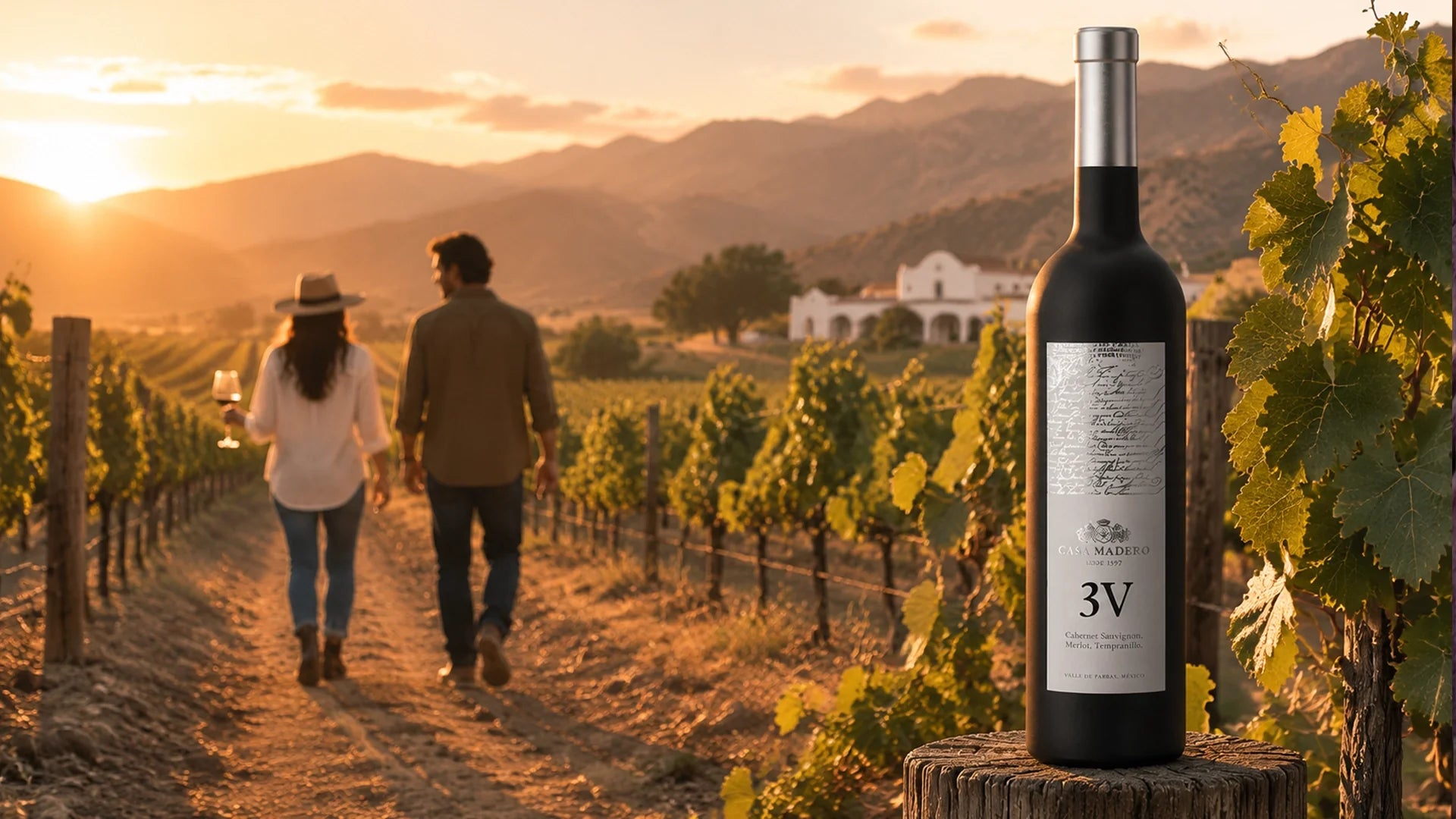
Casa Madero, in the Parras Valley of Coahuila, has been making wine since 1597. A generation before the Mayflower sailed. Two centuries before the first California mission crush.

Hernan Cortes ordered vine plantings within a few years of the conquest, and Mexican vineyards were so productive by 1699 that the Spanish crown, protecting its own export trade, banned commercial wine production outright.
That ban held for over a century, with vines literally ordered ripped out. It's why the Americas' first wine country became its most overlooked.
What's happening now in Baja California is the comeback: three hundred years of suppressed history waking up at once.
Valle de Guadalupe: The Renaissance

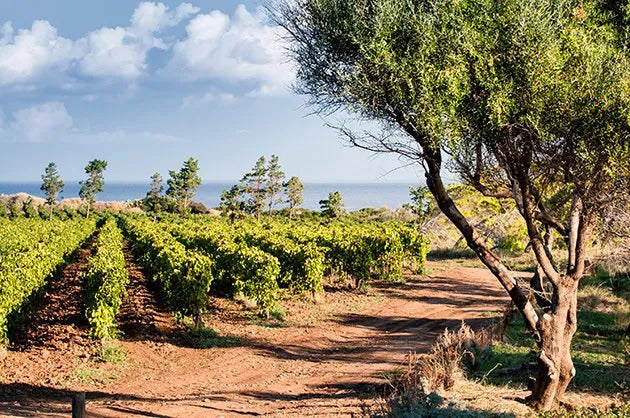
Mexico's modern wine engine sits fourteen miles from the Pacific, in a dry granite valley northeast of Ensenada.
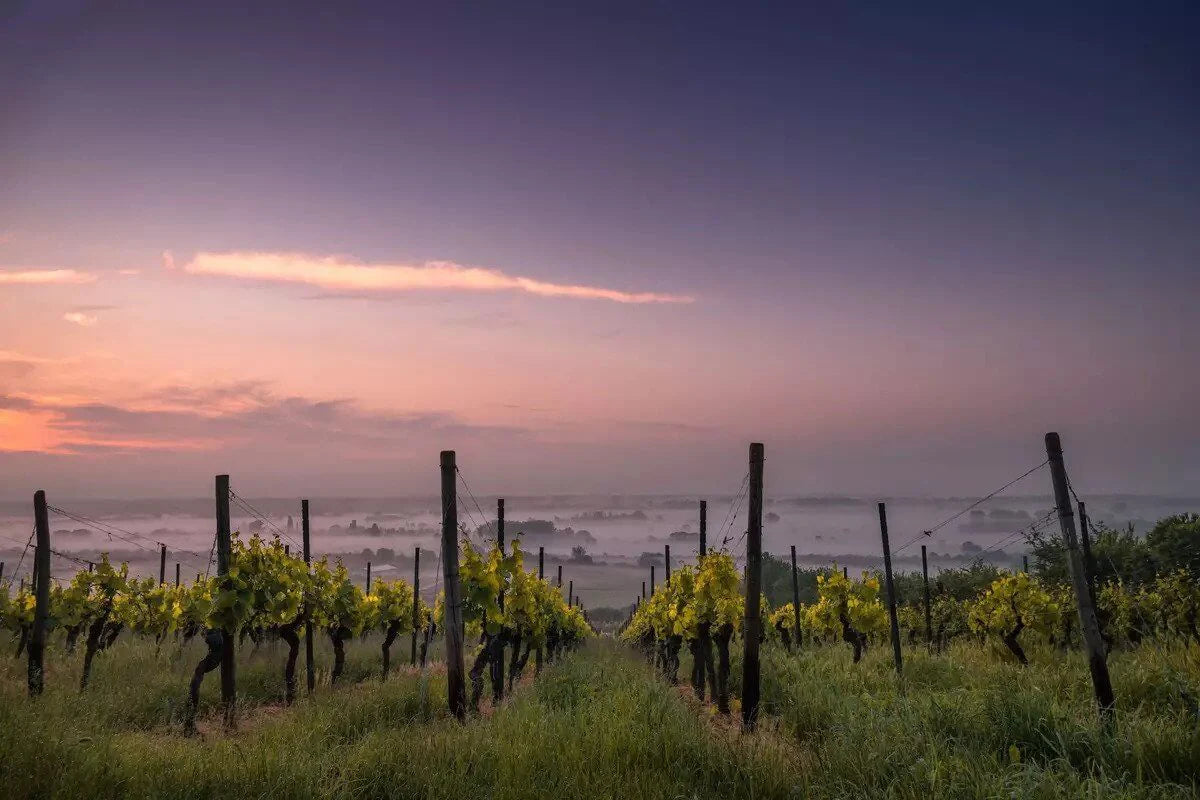
The Valle de Guadalupe runs on classic Mediterranean math. Hot, bone-dry summers cooled every afternoon by ocean breeze funneling up from the coast, foggy mornings, cold desert nights. Decomposed granite drains hard and yields little, which is exactly what serious wine wants.
Roughly seven of every ten bottles of Mexican wine come from this one corridor and its neighboring valleys — Santo Tomas, San Vicente, Ojos Negros. Its dirt-road wine route, dotted with open-fire restaurants and boutique cellars, has become one of the most exciting food-and-wine destinations anywhere.
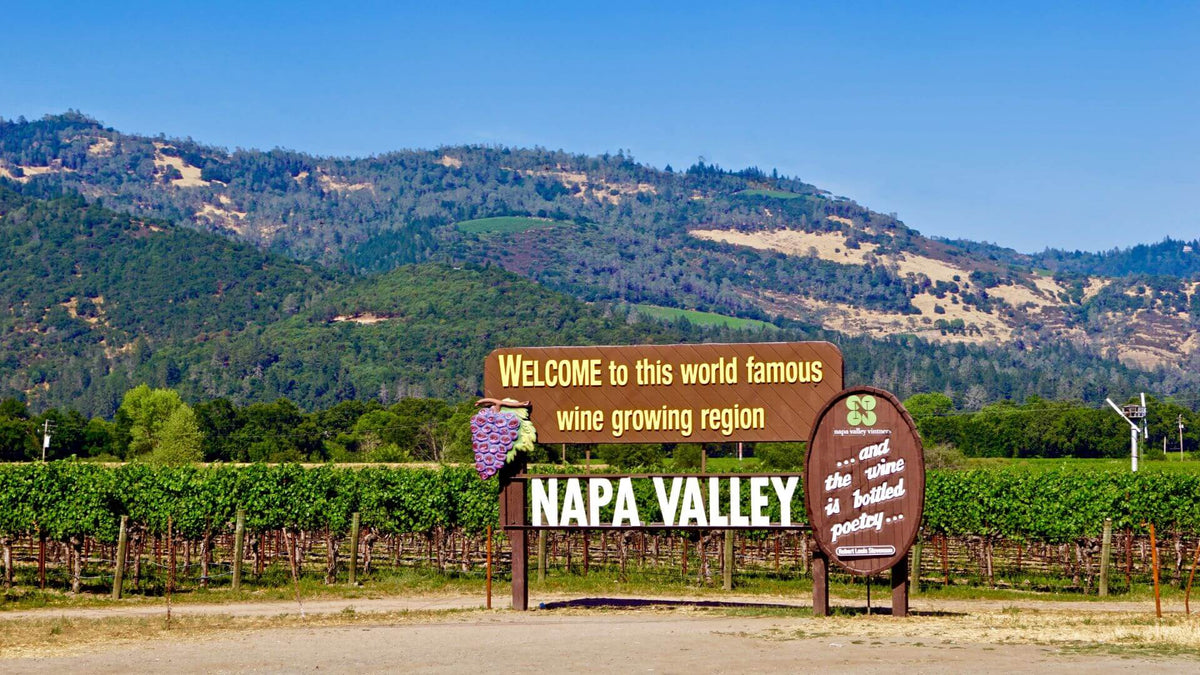
The comparison locals reach for is early Napa. Small, experimental, chef-driven, and still cheap enough to be fun.
A Grape Map Unlike Anywhere Else
Because Mexico rebuilt its wine culture recently and without rigid appellation rules, its vineyards read like a happy accident.
The signature curiosity is Nebbiolo. Piedmont's brooding king almost never travels well, yet it thrives in Baja's granite and fog, making dark, tarry, rose-scented reds that have become the valley's calling card.
Around it grows a cheerful anarchy: Tempranillo and Grenache from the Spanish inheritance, Cabernet and Merlot from the Bordeaux playbook, Zinfandel sharing history with old California, Chenin Blanc and Colombard holding down the crisp whites.
And — increasingly precious — old plantings of Mission, the Pais/Criolla grape the missionaries carried north, now being revived as light, chillable, historically resonant reds.
Baja blends answer to no rulebook, and the best winemakers treat that freedom as the whole point.
One honest note. Parts of the valley irrigate from wells with measurable salinity, and you'll occasionally meet a Baja red with a faint saline edge. The top producers manage water obsessively, so treat pronounced saltiness as a producer signal rather than a regional flaw. Locals will tell you a whisper of it is part of the valley's voice, like smoke on Islay.
Beyond Baja: The High Desert
The rest of Mexican wine lives at altitude, where elevation does what latitude can't this far south.
The Parras Valley in Coahuila — Casa Madero's home since 1597 — sits at 5,000 feet, an oasis in the Chihuahuan desert where cool nights preserve acidity in Cabernet, Shiraz and genuinely good Chenin Blanc.

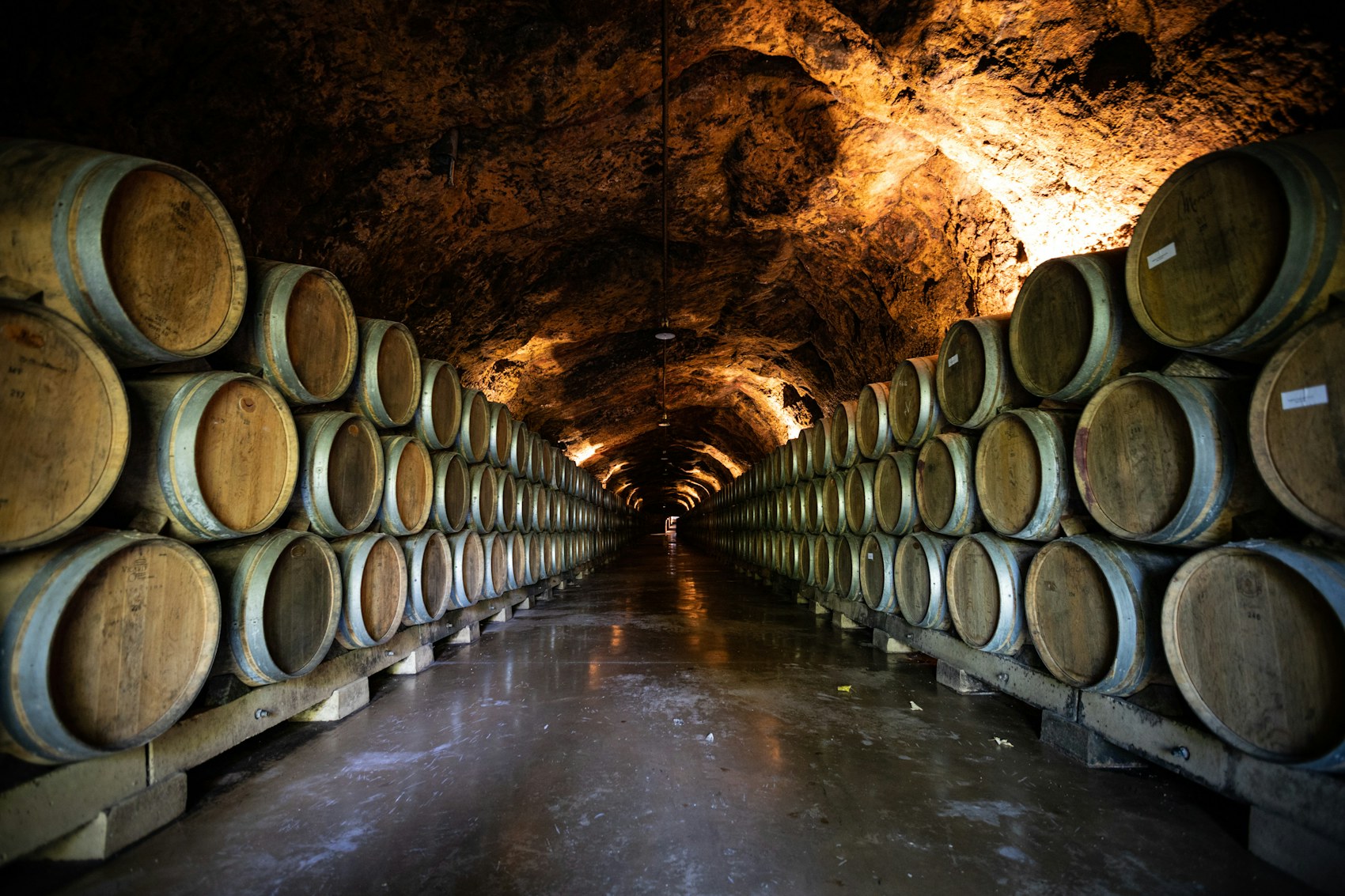
Queretaro, in the central highlands at over 6,000 feet, is sparkling-wine country. Freixenet's Mexican outpost makes traditional-method bubbles in caves there and pours them with local cheeses for half of Mexico City on weekends.
Guanajuato around San Miguel de Allende, plus Aguascalientes and Chihuahua, round out a high-desert belt where vineyards above 6,000 feet keep rewriting assumptions about where fine wine can grow.
Mexican wine isn't one climate. It's a coastal valley plus a chain of sky islands.
The Names Carrying the Flag
Casa Madero is the living monument — four-plus centuries of continuous production, now making genuinely modern wines. Its Chenin and Gran Reserva reds travel best.
Monte Xanic, founded in 1987, is the estate that proved Baja could do polish and precision, and it effectively launched the quality era.

L.A. Cetto is the big, reliable ambassador, and its Nebbiolo introduced half the world to Baja's signature grape.
Around them sits the boutique wave — Adobe Guadalupe, Vena Cava, Bruma, Lechuza and dozens more — selling out vintages at the cellar door, often before export is even a question.
That's the practical catch with Mexican wine. Production is small, domestic thirst is enormous, and most of it never crosses the border. Scarcity here isn't marketing. It's arithmetic.
Drinking It Right
Baja wine grew up next to Baja Med cuisine, and the pairings are the argument.
Nebbiolo with birria or grilled octopus. Tempranillo-Cabernet blends beside carne asada. Chenin and Colombard with ceviche tostadas. High-desert sparkling with more or less anything.
If you spot a serious Mexican bottle on a list or a shelf, understand what you're looking at: a wine that beat a 300-year ban, a desert, and its own scarcity just to get in front of you.
The Americas' oldest wine country is pouring again. The people who catch it early get to say so for the next thirty years.
Quick Answers: Mexico Wine
Does Mexico really make good wine?
Yes — and it has made wine longer than anywhere in the Americas. Casa Madero was founded in 1597. Today the Valle de Guadalupe in Baja California produces seriously good Nebbiolo, Tempranillo and Mediterranean blends in a climate similar to coastal California.
Where is Mexican wine made?
About seventy percent comes from Baja California's Valle de Guadalupe near Ensenada, cooled by Pacific fog. The rest comes from high-desert valleys — Parras in Coahuila, Queretaro and Guanajuato in the central highlands — where altitude replaces latitude.
Why is Nebbiolo Baja's signature grape?
Piedmont's great grape rarely succeeds abroad, but Baja's granite soils, ocean fog and dry heat suit it unusually well. It produces dark, tarry, rose-scented reds that have become the valley's calling card — a genuine oddity in the wine world.
Why did Mexico stop making wine for 300 years?
In 1699 the Spanish crown banned commercial wine production in its American colonies to protect wine exports from Spain. The ban was enforced for over a century and vines were ordered destroyed, which is why the Americas' oldest wine country spent centuries as its most overlooked.
Why is Mexican wine hard to find in the US?
Production is small and domestic demand is enormous, so most bottles never leave Mexico. The scarcity is real arithmetic, not marketing — which makes any serious Mexican bottle on a US shelf worth grabbing.
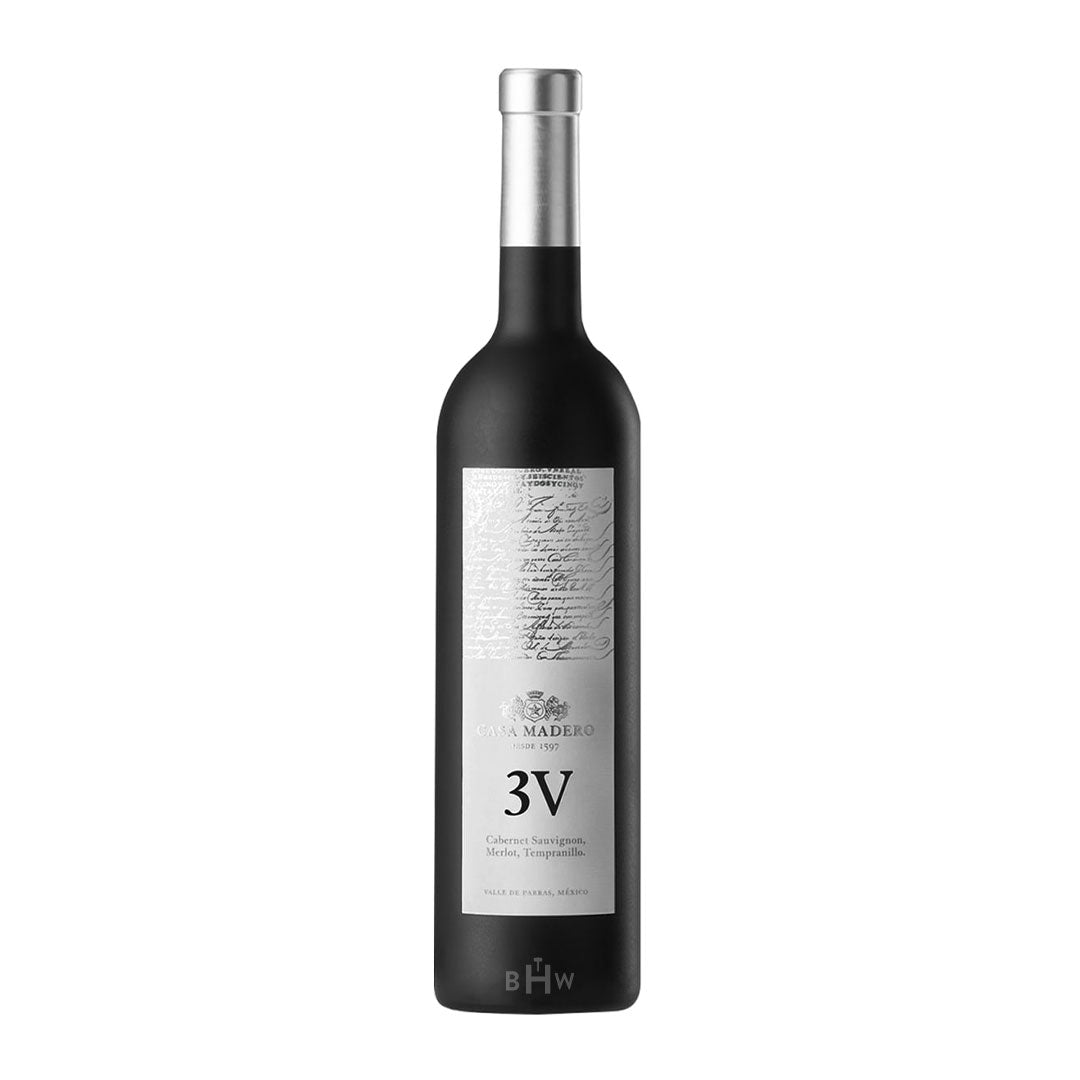
Ready to explore? Our Mexico collection carries our current selection. And if you're hunting a specific bottle from the region, contact us for a quote — we source wine globally, with a 12-bottle minimum on special orders.








Shop Our Mexico Collection
SHOP COLLECTIONShare:
Chilean Wine: The Longest Vineyard on Earth
Veneto Wine: Amarone, Soave, Prosecco and the Art of the Dried Grape
Comments Section