

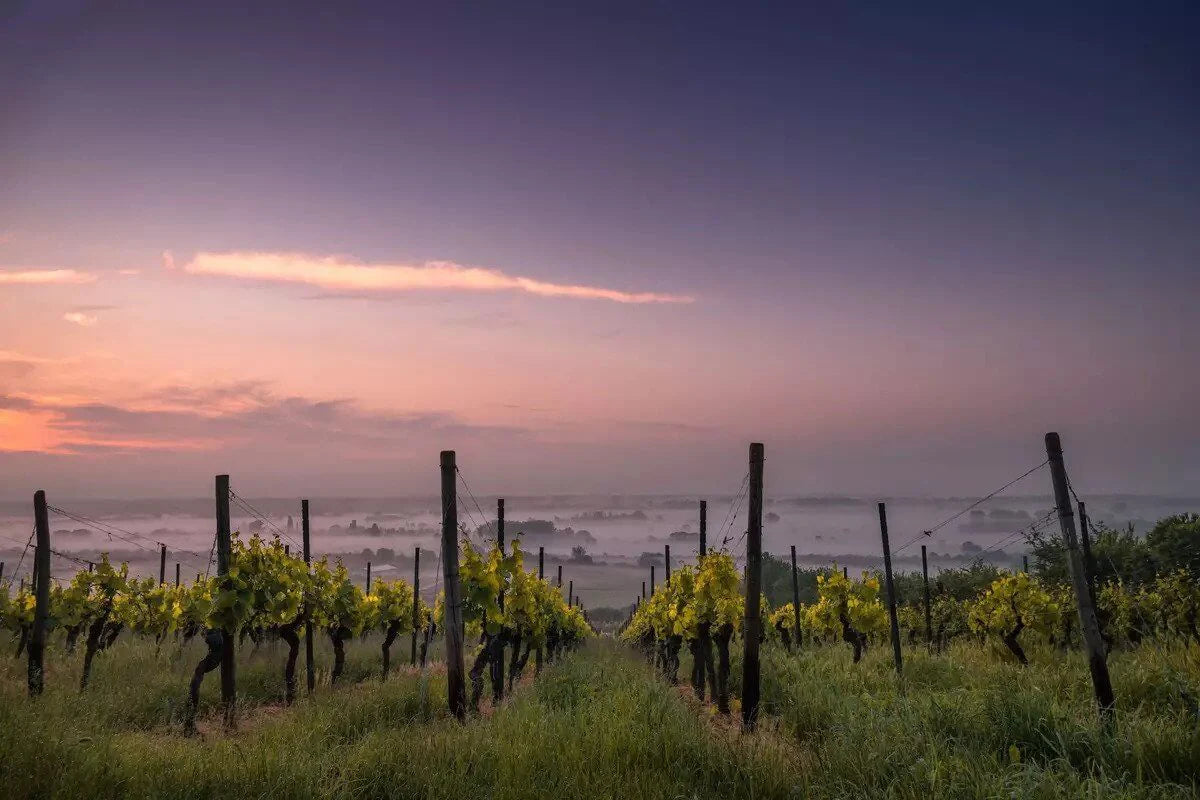
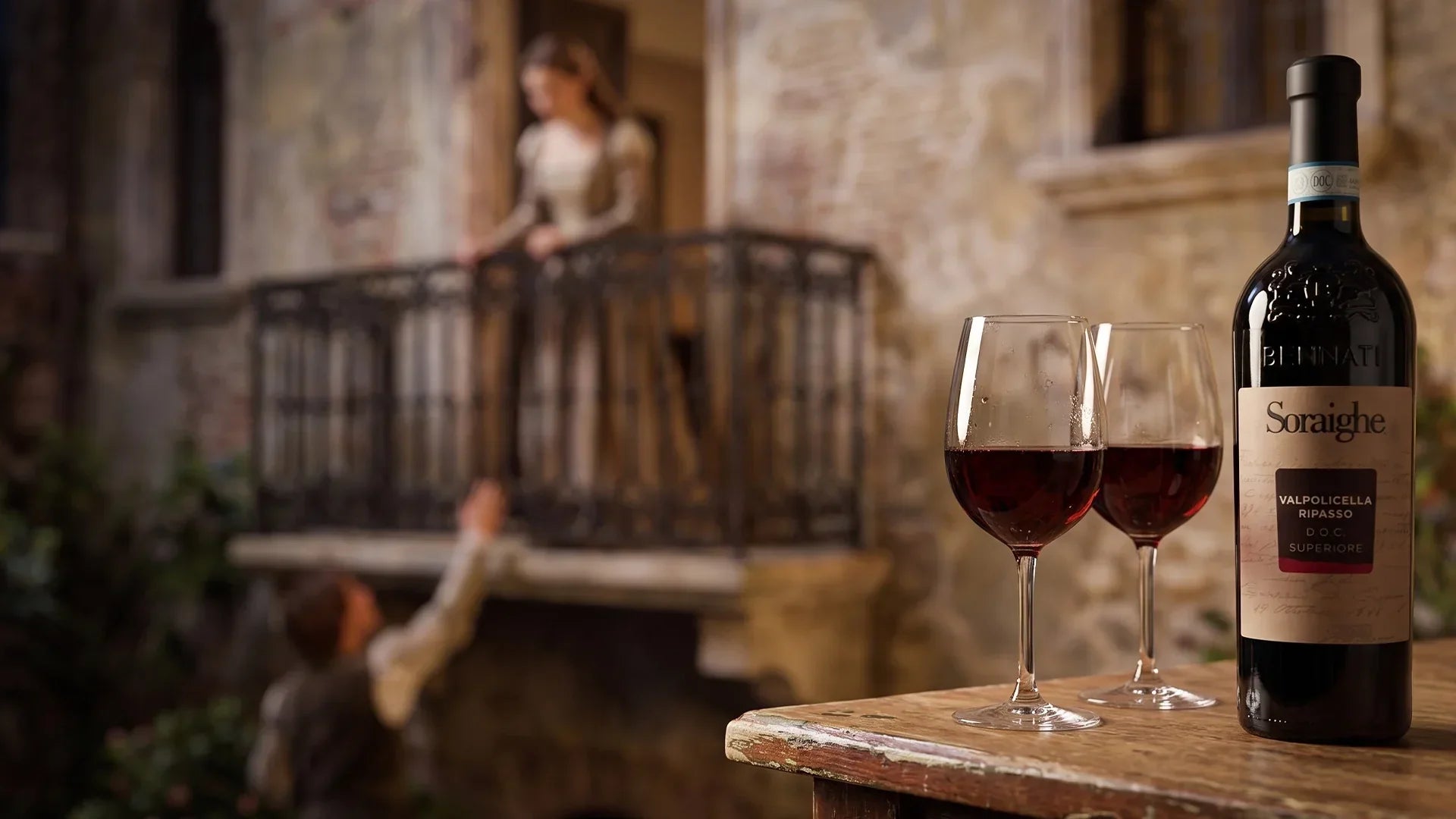
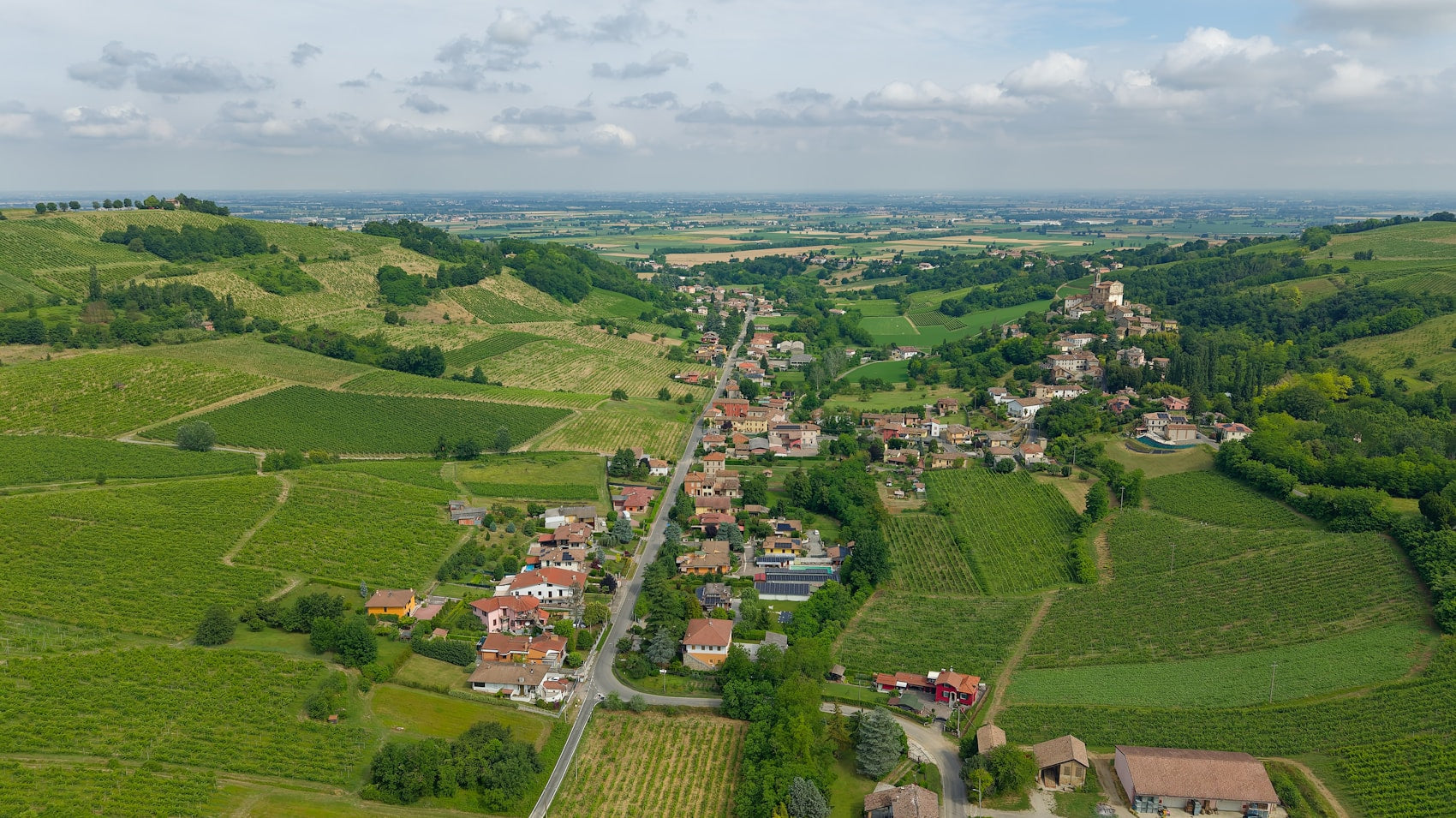
In the hills north of Verona, autumn doesn't end the winemaker's year; it starts the strangest part of it. While the rest of Italy's cellars settle into quiet fermentation, Valpolicella's growers carry their best bunches into open-sided lofts and lay them out on bamboo racks and straw mats, where the grapes will do nothing but sit, shrivel, and concentrate for a hundred days and more.
By late winter each berry has surrendered a third or more of its weight, and what's pressed from the raisined remainder becomes one of the world's great reds: Amarone. The Veneto, stretching from Lake Garda past Romeo and Juliet's Verona to the Venice lagoon, is Italy's most prolific wine region, and its genius has always been this: patience disguised as winemaking.
The Appassimento Idea
Drying grapes to concentrate them is Roman-old, and for most of history the Veneto used it to make Recioto, a lush sweet red and the region's ancient pride. Amarone, the dry version, was by legend an accident: a barrel of Recioto left too long, its fermentation running past sweetness into something dark, potent, and bitter-edged. Amaro means bitter, and here the name is a compliment.
Codified in the mid-20th century, Amarone della Valpolicella became the region's flagship: 15-plus percent alcohol carried with velvet composure, flavors of dried black cherry, fig, cocoa, and sweet spice, and the structure to age for decades. The style has a thrifty sibling every insider buys by the case: Ripasso, ordinary Valpolicella re-fermented over the still-warm Amarone pressings, picking up a share of the richness for a third of the price. Call it baby Amarone, and the best value in the region.
Valpolicella's Grapes and Hills
Everything red here rests on native grapes that exist almost nowhere else: Corvina (the soul, sour cherry, herbs, acidity that survives the drying loft), its bigger-berried sibling Corvinone, peppery Rondinella, and a supporting cast of old varieties like inky Oseleta that top estates are reviving. The Classico zone, the original fan of valleys northwest of Verona (Fumane, Marano, Negrar), carries the historic hillside sites on limestone and volcanic soils.

Wines from the flatter, newer zones are honest but rarely profound, which makes "Classico" one of the few label words in Italy that reliably earns its price bump. Fresh, unoaked Valpolicella, drunk slightly cool with anything from pizza to roast chicken, remains one of Italy's most underrated everyday reds.
Soave: The White That Deserves a Second Look
East of Verona, the medieval walled town of Soave sits beneath black basalt hills, old volcanoes, terraced with Garganega vines. Mass-market bottlings from the plains spent decades burying the name, which is exactly why smart drinkers hunt Soave Classico from the volcanic slopes: dry whites of white peach, almond blossom, and a saline, stony finish that age gracefully for a decade, drinking like minor white Burgundy at a fraction of the cost. The hillside crus around Monteforte and Soave itself are now officially mapped, another sign the region takes its white flag seriously again.

Prosecco, Honestly Explained
The Veneto's global export superstar comes from the Glera grape, grown at its best on the absurdly steep green hills between Valdobbiadene and Conegliano - slopes so hand-worked they earned UNESCO World Heritage status. Prosecco's method is the point, not a shortcut: a second fermentation in pressurized tanks preserves the grape's fresh pear-and-white-flower fruit, trading Champagne's bready depth for immediacy and charm. The ladder reads: basic DOC from the plains; DOCG from the Valdobbiadene-Conegliano hills (worth it, always); Rive single-commune bottlings; and at the top the Cartizze hill, Prosecco's grand cru.
Two insider trails: Brut and Extra Brut versions show the hills' minerality without the usual sugar cushion, and col fondo - the cloudy, bottle-fermented ancestral style - is the old farmhouse Prosecco, bone dry and alive, now a sommelier cult.
The Edges of the Map
On Garda's shores, Bardolino makes featherweight, chillable reds from the Valpolicella grapes and Lugana (shared with Lombardy) grows Turbiana whites of quiet, creamy persistence that age far better than their price suggests. Custoza blends charming everyday whites; the Colli Euganei volcanic domes south of Padua do serious Bordeaux-style reds and sweet Fior d'Arancio Moscato; and Venetian-arc bubbles stretch to Durello, a razor-acid volcanic sparkler insiders order when they want to surprise someone.
The Names, and the Play
Quintarelli is the region's sainted name: handwritten labels, decade-long cellar patience, Amarone as meditation. Dal Forno is its modern, obsessive counterpart. Bertani's traditional Amarones age half a century, Masi codified the Ripasso idea, and Allegrini modernized the Classico hills. Pieropan and Inama carry Soave's volcanic flag, and Nino Franco and Bisol prove what the Valdobbiadene hills can really do.
The buying play across the region: drink DOCG hills in Prosecco, Classico in both Soave and Valpolicella, Ripasso for weeknight opulence, and when a birthday or a braise justifies it, open the Amarone and give it air and an hour. Patience made it; a little patience serves it.

Quick Answers: Veneto Wine
How is Amarone made?
The best Valpolicella grapes are dried on racks for three to four months until they lose a third or more of their weight, then fermented fully dry. The result is a powerful red - 15-plus percent alcohol - tasting of dried cherry, fig, cocoa and spice, built for decades.
What is Ripasso and why is it a good buy?
Ripasso is Valpolicella re-fermented over the still-warm skins left from Amarone, picking up a share of its richness and spice at roughly a third of the price - which is why insiders call it baby Amarone and buy it by the case.
Is Prosecco always cheap fizz?
No. Hillside Prosecco from the UNESCO-listed Valdobbiadene-Conegliano zone (labeled DOCG), single-commune Rive bottlings and the Cartizze cru are serious sparkling wines - and drier Brut and Extra Brut versions show real minerality beyond the supermarket style.
Is Soave a serious white wine?
Soave Classico from the volcanic hills is - white peach, almond and a saline, stony finish that ages gracefully for a decade, drinking like minor white Burgundy at a fraction of the price. The flatland bulk versions earned the old bad reputation; the hills never did.
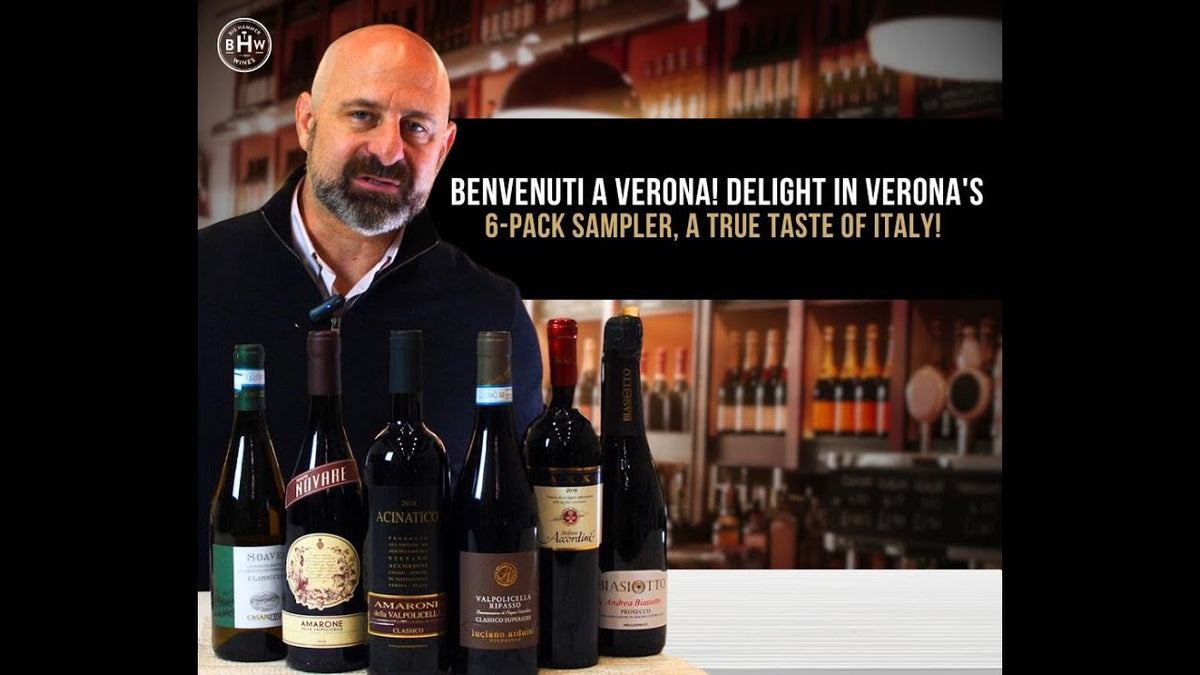
Ready to explore? Our Veneto collection carries our current selection. And if you are hunting a specific bottle from the region, contact us for a quote - we source wine globally, with a 12-bottle minimum on special orders.







Shop Our Veneto Collection
SHOP COLLECTIONShare:
Rhone Valley Wine: Granite North, Sun-Baked South
Rhone Valley Wine: Granite North, Sun-Baked South
Comments Section