

Unroll a map of Chile and you're looking at a geographic prank.
A country 2,600 miles long and, on average, barely 110 miles wide. A ribbon of land pinned between the driest desert on earth and the ice of Patagonia, with the Pacific on one side and a 20,000-foot wall of Andes on the other. Tilt it on its side and it would reach from San Francisco to New York.
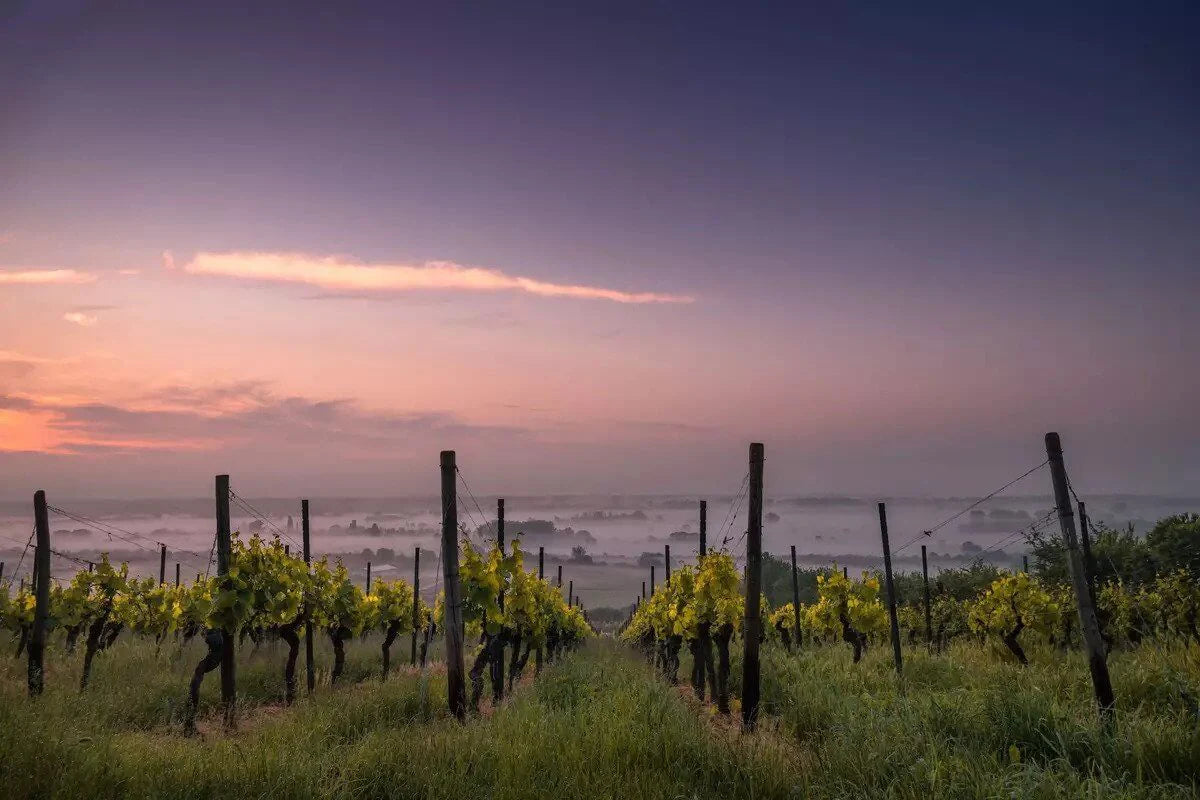
Inside that ribbon sits every climate wine has ever asked for: fog-chilled coastal hills, sun-drenched valley floors, high-desert plateaus, rain-soaked southern forest.
Chile isn't a wine region. It's a continent of them wearing one flag — and it grows some of the purest, best-priced wine in the world on vines the rest of the planet lost a century and a half ago.

The Island That Isn't
Chile's borders are quarantine walls built by nature. Desert to the north, mountains to the east, ocean to the west, ice to the south.
Phylloxera — the root louse that forced virtually every vineyard on earth onto grafted American rootstock — has never established itself here. Chilean vines grow on their own roots, many of them descended directly from cuttings carried out of Bordeaux in the 1850s, before the plague.
Walk an old Maipo vineyard and you're looking at the pre-phylloxera French vine library, alive and still working. Growers will tell you own-rooted vines live longer and speak clearer. Whatever the mechanism, the wines have a directness — pure fruit, clean lines — that's become the national signature.
The other engine is cold water. The Humboldt Current drags Antarctic ocean up the coast and chills the air above it, and every river valley that opens to the sea inhales that refrigerated fog each morning.
Which means distance-to-Pacific matters more here than latitude. That's why Chilean labels increasingly say Costa, Entre Cordilleras or Andes — a coast-to-mountain address system for a country where the climate changes every twenty miles sideways, not southward.

Carmenere: The Grape That Came Back From the Dead
Wine's best resurrection story is Chilean.
Carmenere was an old Bordeaux variety — dark, spicy, late-ripening — that phylloxera effectively erased from France in the 1860s. Ampelography books listed it as extinct.
For 130 years Chilean growers farmed what they believed were unusually plummy, slow-ripening Merlot vines. Then in 1994 a visiting French ampelographer, Jean-Michel Boursiquot, walked a Chilean "Merlot" block and saw what generations had missed: the lost grape of Bordeaux, hiding in plain sight, thriving.
Overnight, Chile owned a variety nobody else could claim.
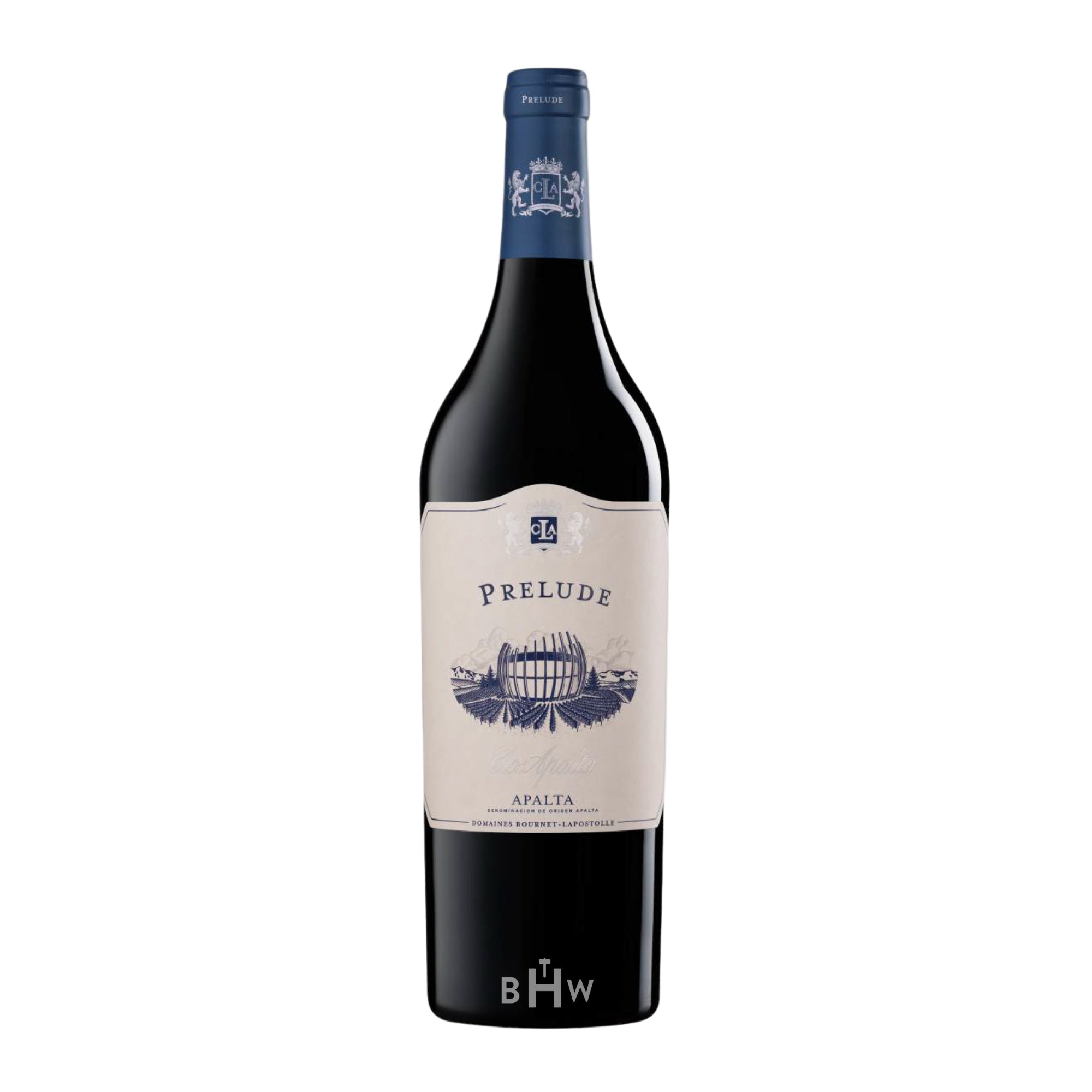
Done right — picked late, off warm sites like Colchagua's Apalta — Carmenere gives black plum, cracked pepper, dark chocolate and a savory paprika note that pairs absurdly well with anything off a grill. It's Chile's answer to Argentina's Malbec: an orphaned French grape handed a second life in the Americas.
The Valleys That Matter
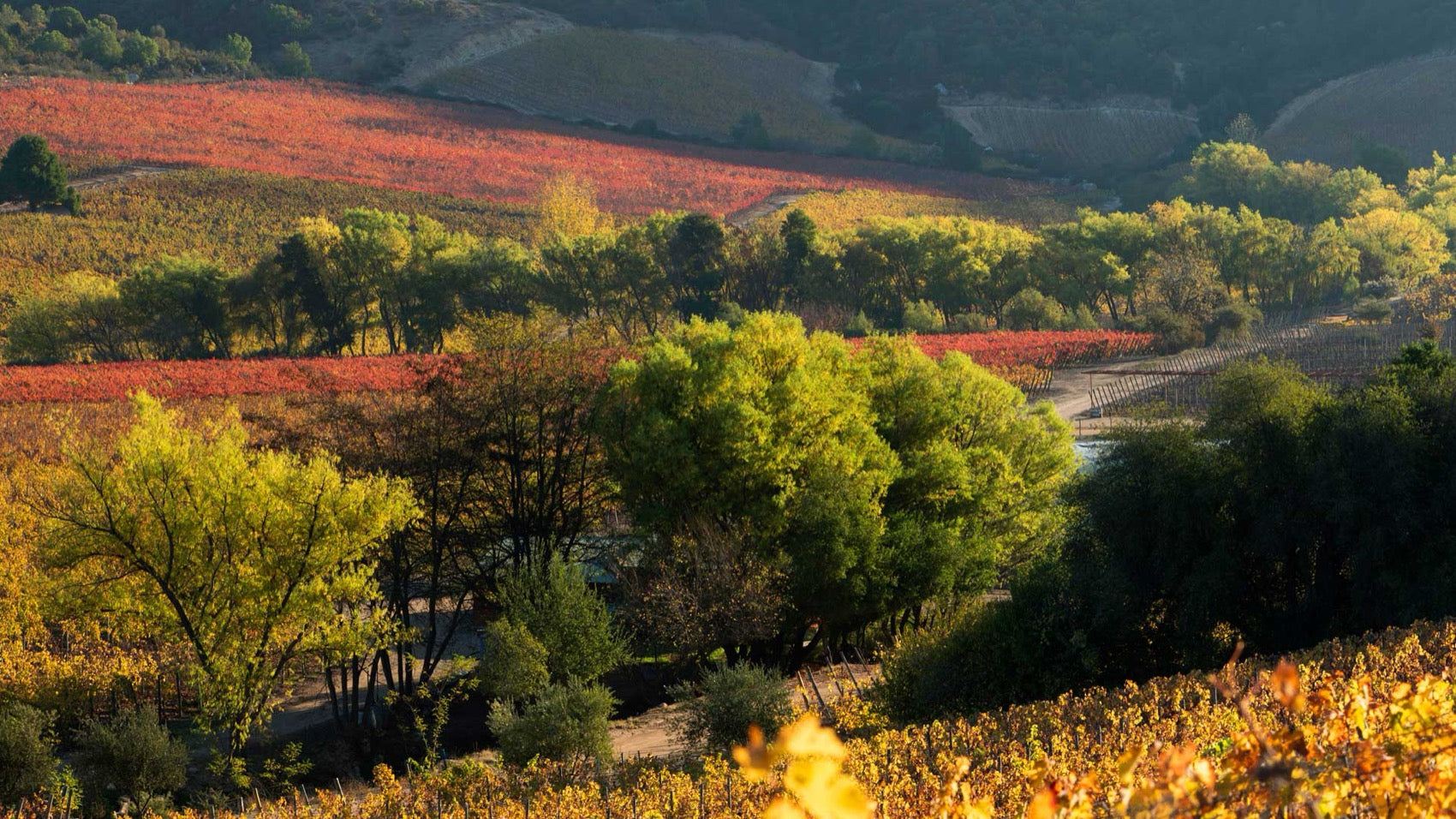
Maipo, wrapping Santiago, is the Bordeaux of South America. Especially Alto Maipo, the alluvial terraces climbing into the Andes foothills, where Cabernet Sauvignon picks up its famous minty, cassis-and-graphite elegance.
Colchagua, to the south, is the warm generous engine of Chilean reds, and its horseshoe-shaped Apalta amphitheater grows the flagship blends.
Casablanca and San Antonio/Leyda dangle practically into the Pacific. This is the cold-coast whites capital: Sauvignon Blanc with sea-spray bite, taut Chardonnay, and Pinot Noir that gets better every vintage.
Limari, at the desert's edge, grows Chardonnay on rare limestone under relentless sun and fog. Elqui, higher and starker still, produces peppery, violet-edged Syrah under some of the clearest skies on the planet — the valley doubles as an astronomy reserve.

Then there's the old south. Maule and Itata hold Chile's deepest treasure — dry-farmed bush vines of Pais and Carignan, some plots centuries old, farmed by families who never industrialized.
The VIGNO movement, a growers' pact around old-vine Maule Carignan, turned what was once dismissed as peasant wine into some of Chile's most soulful bottles. Rustic, floral, alive. If you want to taste what the Americas drank before wine had marketing, start there.
The Berlin Tasting: Chile's Judgment of Paris
In 2004, in Berlin, Eduardo Chadwick of Errazuriz put his top Chilean Cabernets — Sena and Vinedo Chadwick — into a blind flight against Chateau Lafite, Chateau Margaux, and Italy's Solaia and Tignanello. Three dozen European critics judged it.
Chile took first and second.
The tasting was repeated across world capitals for years with the same uncomfortable results, and it did for Chile what 1976 did for Napa. It proved the ceiling.
The icon tier that grew out of that proof — Sena, Almaviva (the Mouton Rothschild joint venture), Don Melchor, Clos Apalta — still trades globally at a fraction of the first-growth prices it embarrassed.
How to Buy Chile Like an Insider
Chile's reputation as a value machine is true, and also the least interesting thing about it.
Yes, the $12-to-$20 shelf is the most reliable Cabernet money on earth. But the smarter plays sit one level up.
Coastal Sauvignon Blanc from Leyda or San Antonio drinks like Sancerre's surfer cousin for half the price. Old-vine Maule Carignan and Itata Pais deliver natural-wine soul without the funk tax. Alto Maipo Cabernet in the $30s goes toe to toe with $80 Napa.
And the icons — Sena, Almaviva, Clos Apalta — are first-growth-class wines still priced like second labels. That's the trade I keep making.

The longest vineyard on earth is also its most underpriced. That won't hold forever.
Quick Answers: Chile Wine
What is Carmenere and why is it Chile's grape?
A lost Bordeaux variety presumed extinct after phylloxera — until 1994, when an ampelographer discovered Chile's "Merlot" vineyards were full of it. Ripened properly it gives black plum, pepper and dark chocolate, and no other country can claim it.
Why are Chilean vines ungrafted?
Desert to the north, the Andes east, the Pacific west and ice to the south form a natural quarantine that has kept phylloxera out. Chilean vines, many descended from pre-plague Bordeaux cuttings, still grow on their own roots — a global rarity.
What was the Berlin Tasting?
A 2004 blind tasting where European critics ranked Chilean Cabernets Sena and Vinedo Chadwick above Chateau Lafite and Chateau Margaux. Repeated across world capitals with similar results, it did for Chile what the Judgment of Paris did for Napa.
What do Costa, Entre Cordilleras and Andes mean on a Chilean label?
They're Chile's coast-to-mountain zones, introduced in 2011. Costa means the wine comes from cool coastal sites shaped by Pacific fog, Andes from higher foothill sites with big day-night temperature swings, and Entre Cordilleras from the warmer valley floor between the two ranges.
Which Chilean regions should I know?
Maipo for classic Cabernet, Colchagua's Apalta for flagship reds, coastal Casablanca and Leyda for Sauvignon Blanc and Pinot, Limari for limestone Chardonnay, and the old dry-farmed south — Maule and Itata — for soulful old-vine Carignan and Pais.
Ready to explore? Our Chile collection carries our current selection. And if you're hunting a specific bottle from the region, contact us for a quote — we source wine globally, with a 12-bottle minimum on special orders.

Shop Our Chile Collection
SHOP COLLECTIONShare:
Argentine Wine: Malbec, Altitude, and the Andes Effect
Mexican Wine: The Americas' Oldest Wine Country Is Its Newest Discovery
Comments Section