

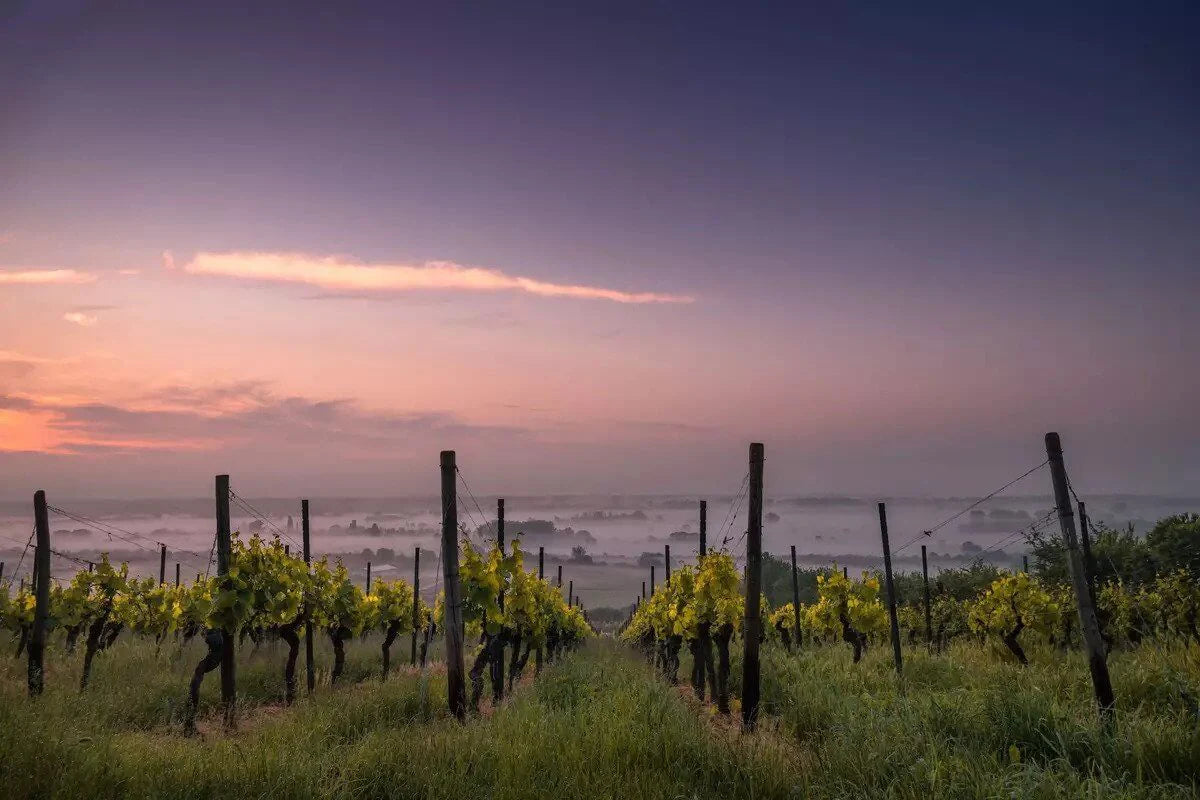
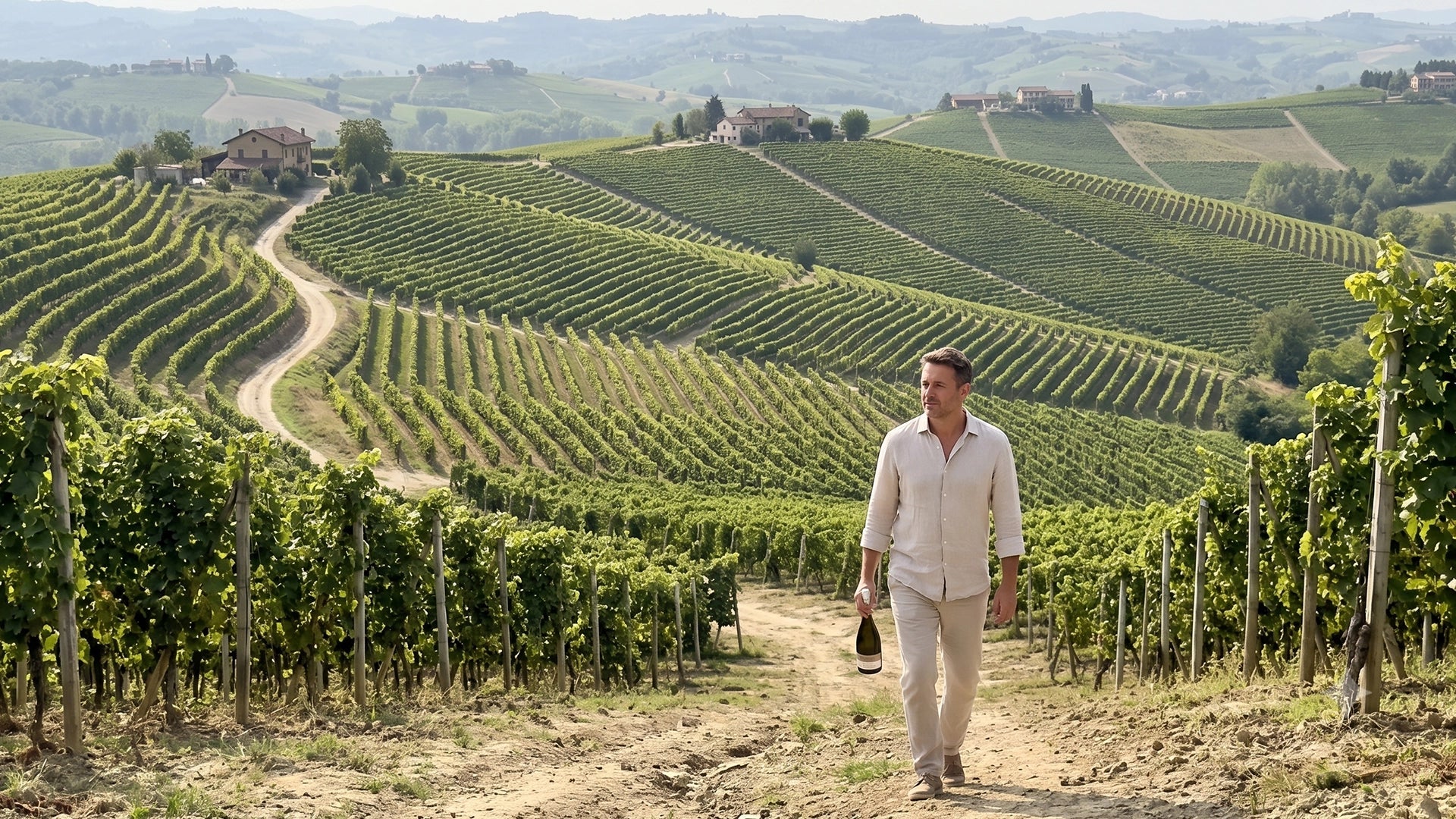
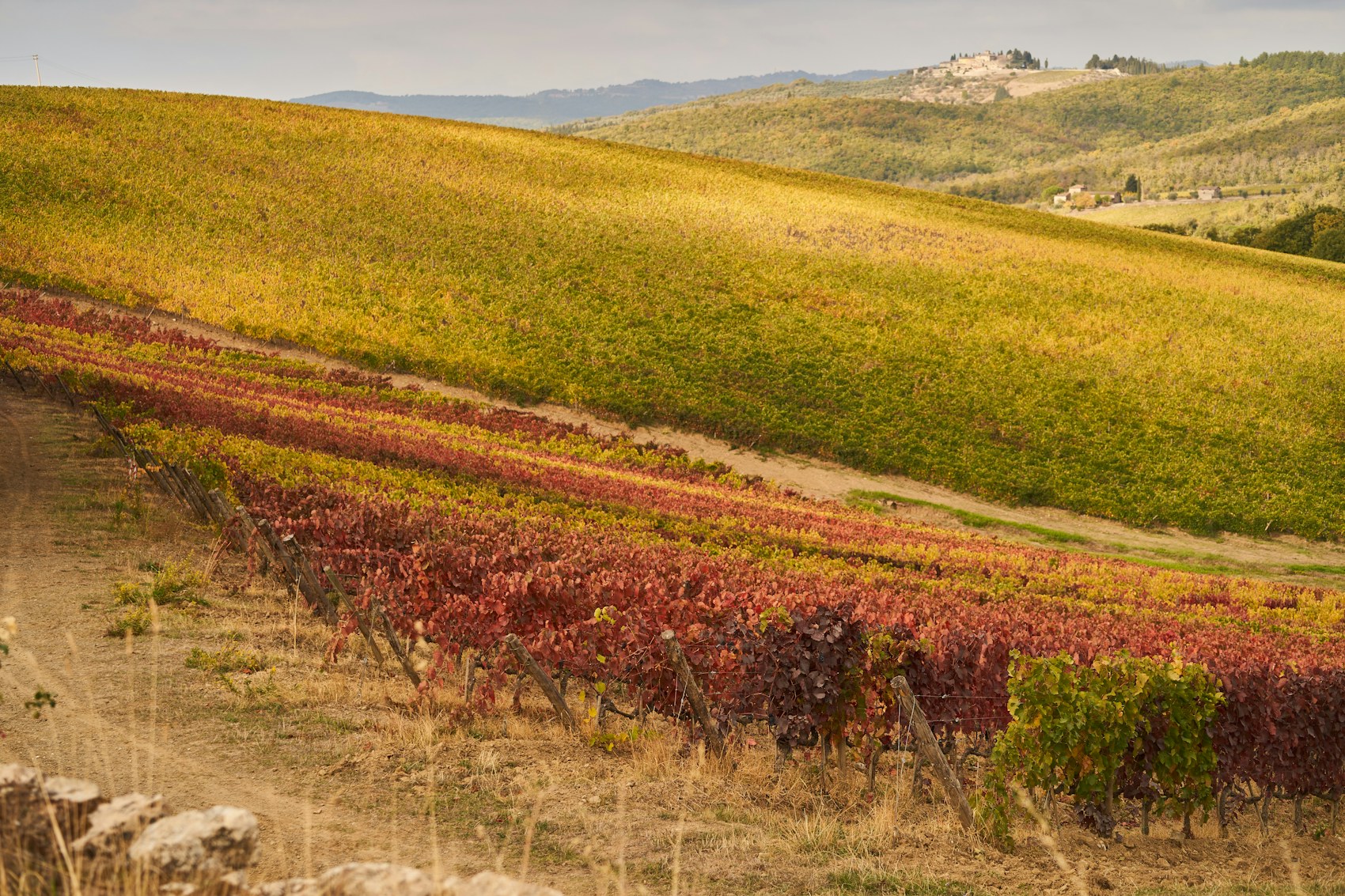
Every October, a thick fog rolls off the rivers of northwest Italy and settles over the Langhe hills like a tide. The locals call it nebbia, and the grape that waits inside it, hanging late into the season long after every other variety is picked, takes its name from that fog: Nebbiolo.

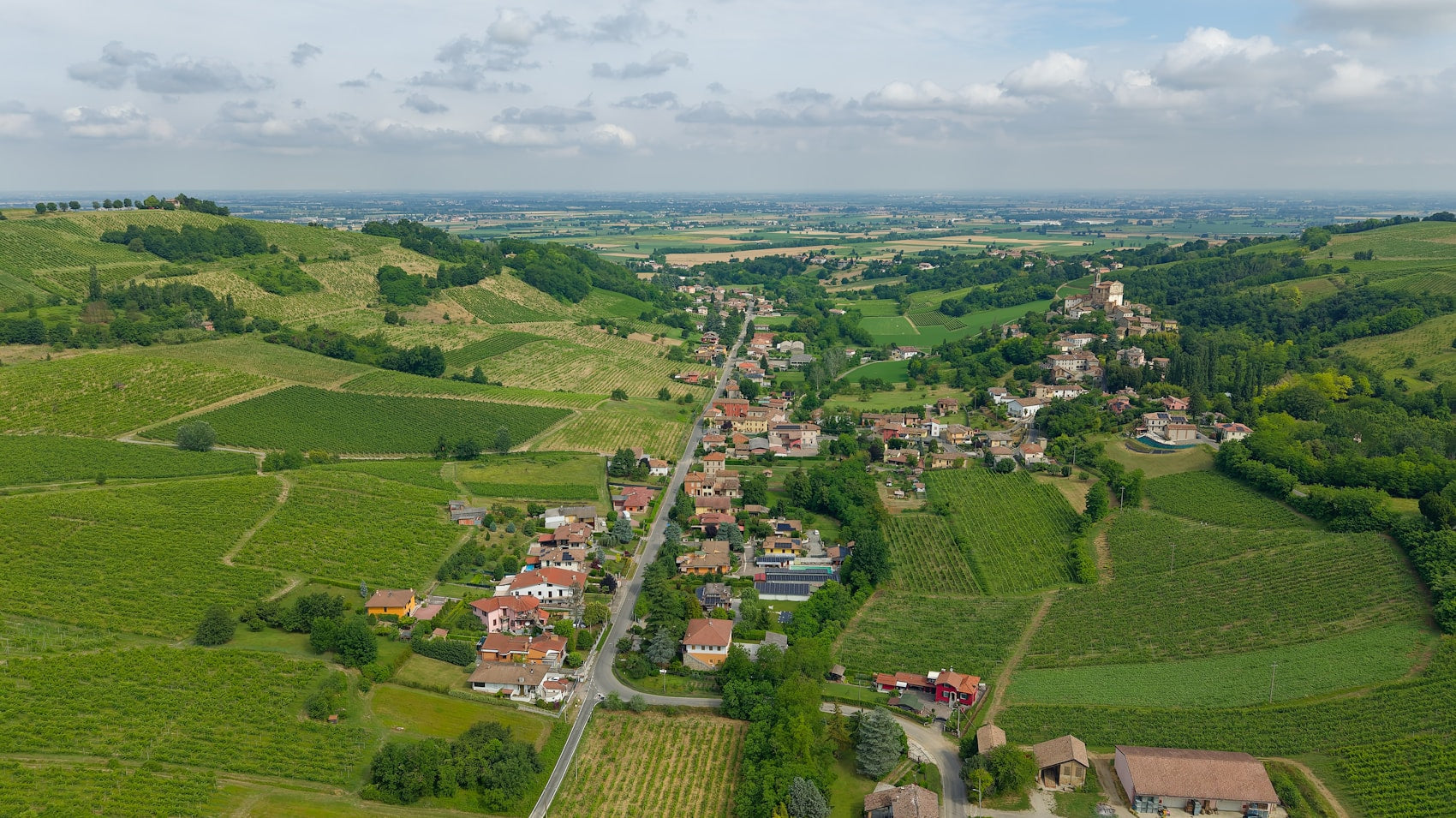
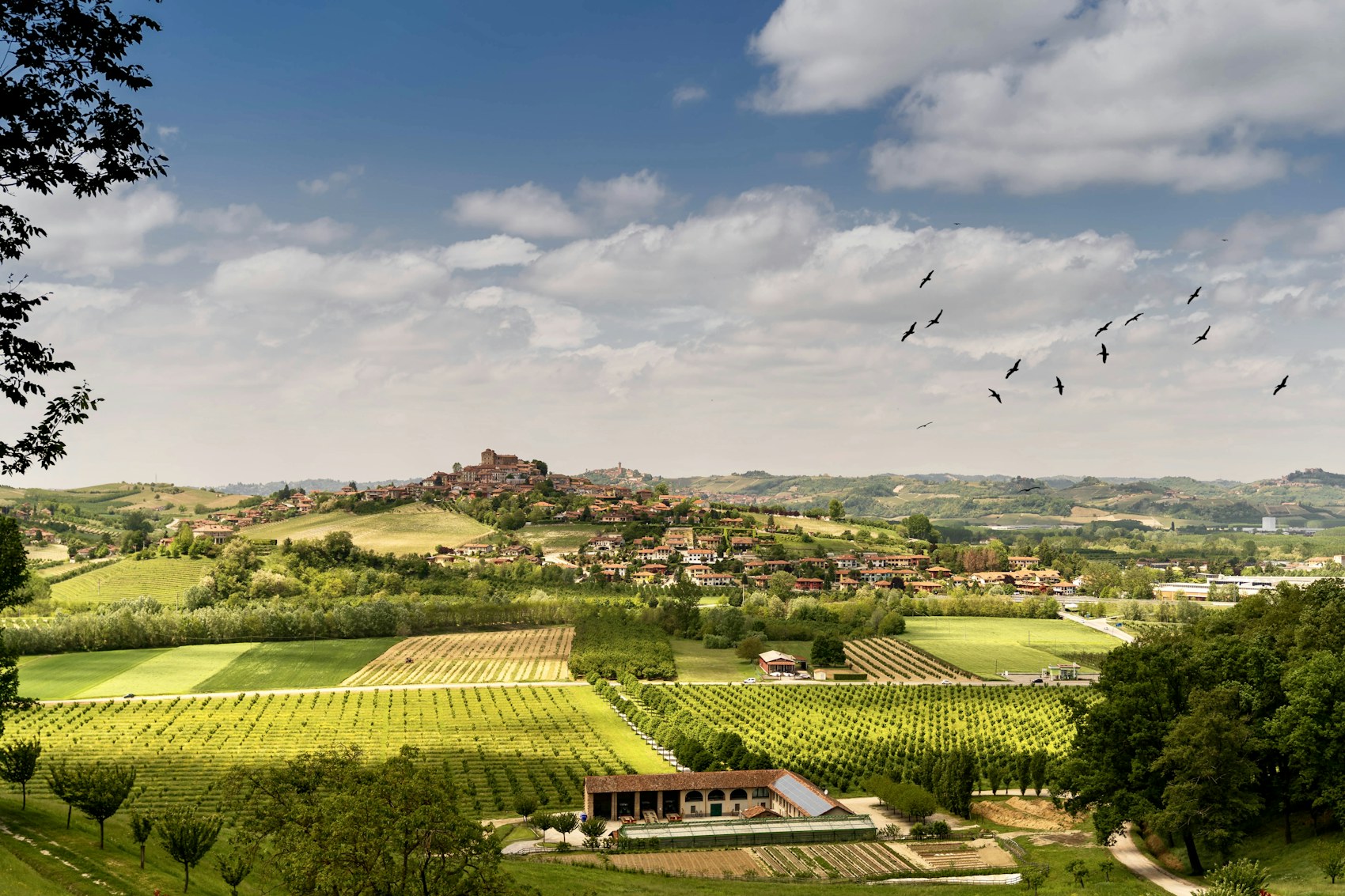
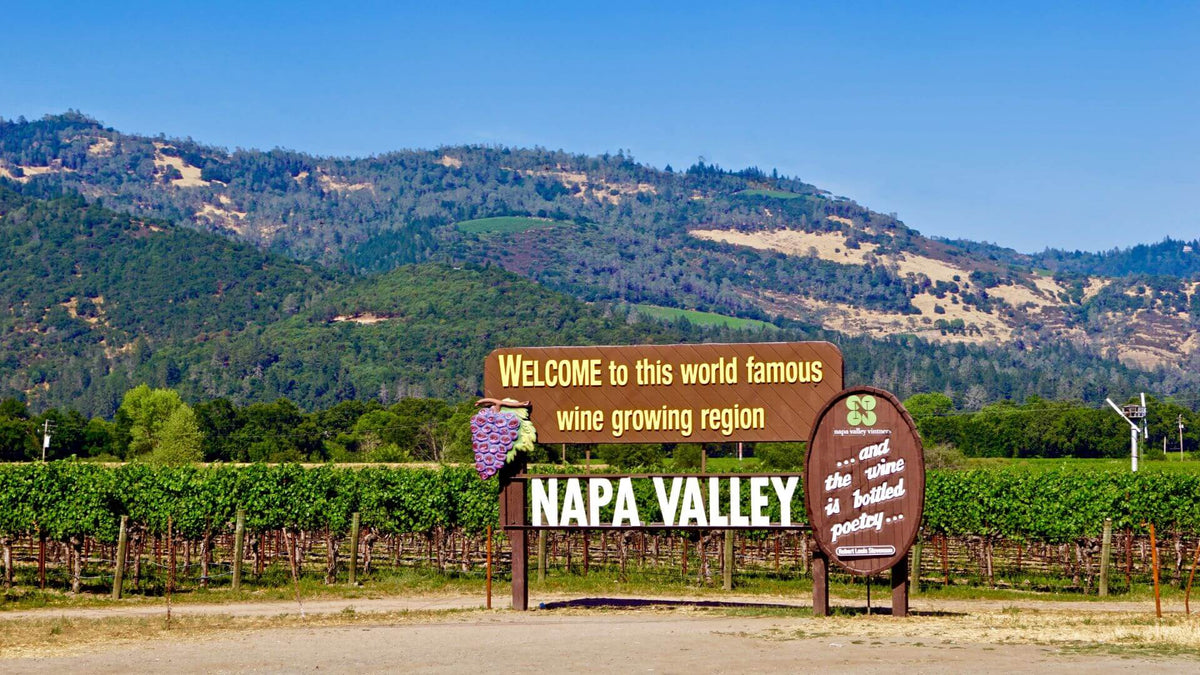
On those hills, in a stretch of country smaller than Napa Valley, sit the twin capitals of Italian fine wine, Barolo and Barbaresco, surrounded by hazelnut groves, medieval towers, and the white truffles of Alba.
Piemonte is Italy's answer to Burgundy: one difficult, transparent grape, a mosaic of named hillsides argued over for generations, and a food culture so good it bends the wine to its will. If you learn one Italian region deeply, make it this one.
Nebbiolo: Tar and Roses
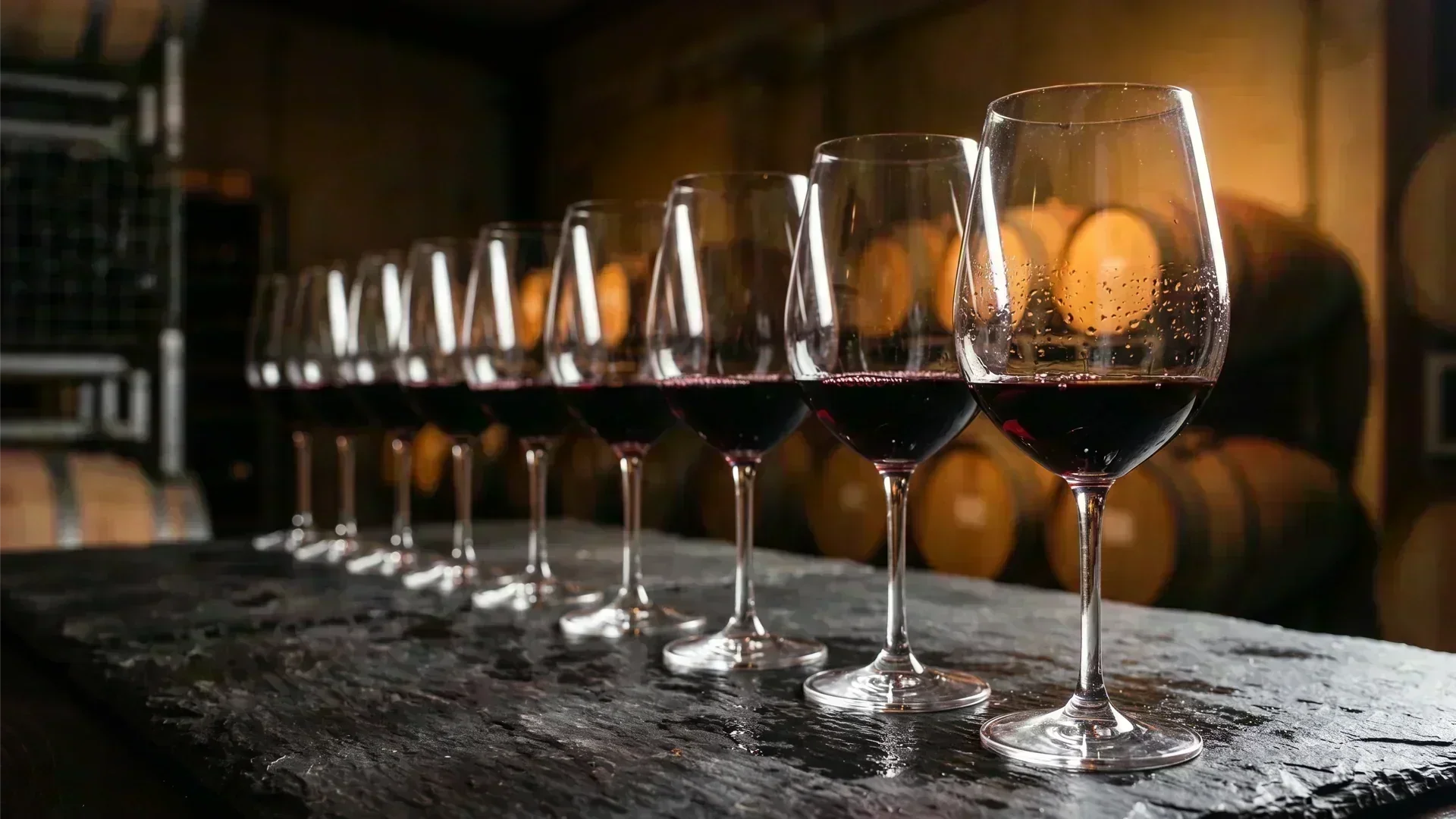
Nebbiolo is wine's great paradox. In the glass it looks almost fragile, pale garnet, translucent as Pinot Noir, and then it hits the palate with the firmest tannin and acid of any major red grape. The classic description, "tar and roses," is not poetry. It's startlingly literal. Young Nebbiolo smells of dried rose petals, sour cherry, licorice, and something dark and mineral underneath.
Give it a decade, and it unfolds into truffle, leather, dried orange, and autumn leaves. No grape rewards patience more, and none punishes the impatient drinker with quite the same tannic slap. It's also a homebody: despite a century of attempts, Nebbiolo performs almost nowhere outside these hills. The fog, the long hang time, the calcareous marls, it wants all of it.

Barolo: Eleven Villages, One Argument
Barolo is a zone of eleven communes, and the oldest argument in Italian wine is which side of it you drink. The western villages, La Morra and Barolo itself, sit on younger, softer marls and give the perfumed, silkier style. The eastern flank, Serralunga d'Alba and Monforte d'Alba, is older, harder ground that produces the dark, structural Barolos built for twenty years.
Since 2010, the zone has been officially mapped into named crus (the MGA system: Cannubi, Bussia, Ginestra, Vigna Rionda, and some 170 others), formalizing what growers always knew: this is single-hillside country, Burgundy-style. The law demands at least 38 months of aging before release (62 for riserva). The wine demands more from you.

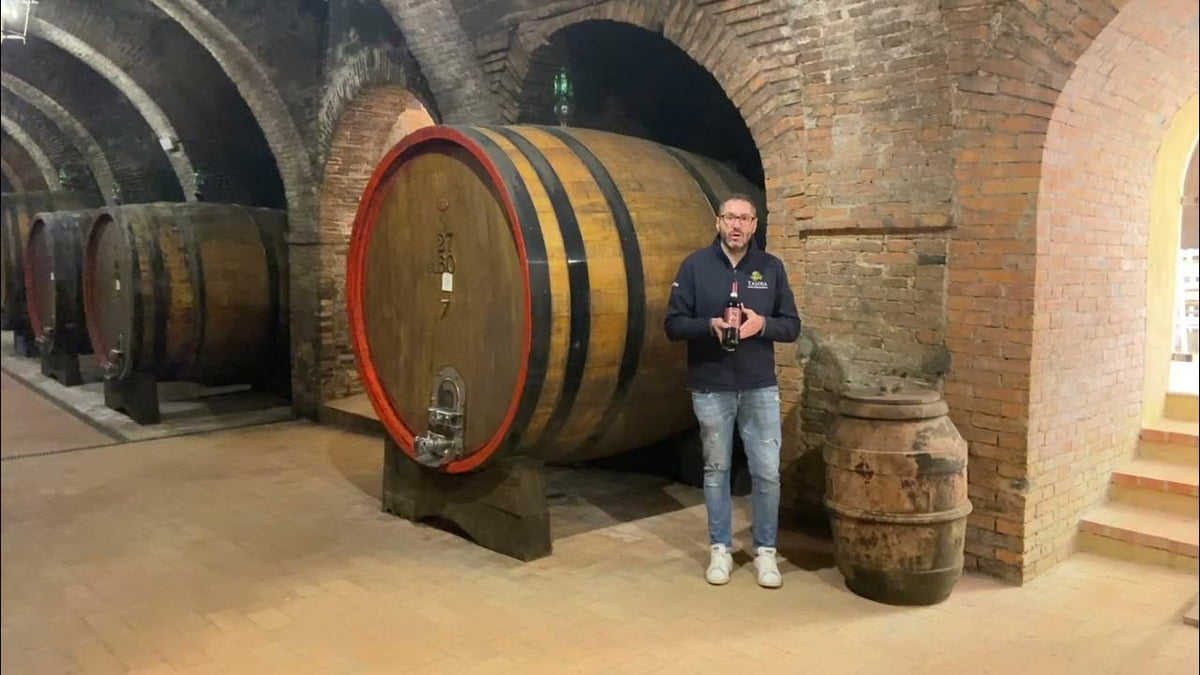
The region also fought a famous civil war. In the 1980s and 90s, the "Barolo Boys" modernists brought small French barriques and shorter macerations, chasing color and early charm. The traditionalists, Bartolo Mascarello most defiantly, held to long macerations and big neutral Slavonian casks.
Thirty years on, the war ended in synthesis: nearly everyone farms better, extracts more gently, and lets the vineyard speak. The traditionalist icons, Giacomo Conterno's Monfortino, Bartolo Mascarello, Giuseppe Rinaldi, now trade at Burgundy-grand-cru prices, which tells you who history sided with.
Barbaresco: The Elegant Neighbor
Twenty minutes northeast, across the Tanaro's fog line, Barbaresco grows the same grape on slightly warmer, lower hills, and earns the shorthand "the queen to Barolo's king": aromatic, refined, approachable a few years earlier, and often meaningfully cheaper for equal quality. It's also home to two of wine's great institutions.
There's Angelo Gaja, whose single-vineyard bottlings and relentless ambition dragged all of Piemonte onto the world stage in the 1960s and 70s. And there's the Produttori del Barbaresco, a village cooperative founded in 1958 whose Riserva crus are, bottle for dollar, among the finest traditional Nebbiolos money can buy. "Co-op" is usually a warning label in wine. Here it's a seal.
What Piemontese Drink on Tuesday

The locals don't open Barolo on a weeknight. They drink Barbera, the region's workhorse, dark-fruited and bright with acidity, juicy with roast chicken and pasta, serious in old-vine versions from Asti and Alba. And they drink Dolcetto, the "little sweet one" that confusingly makes grapey, gently bitter, bone-dry reds for the antipasti course. The whites deserve equal attention: Gavi (Cortese) is the crisp seafood classic, Arneis from the sandy Roero hills adds pear and blossom, and Timorasso, a nearly extinct variety revived by one stubborn grower in the 1980s, is now Italy's most exciting comeback white: structured, honeyed, mineral, built to age.
And don't let anyone sneer at Moscato d'Asti: at 5.5 percent alcohol, gently sparkling and honest about its sweetness, it's the perfect end to a heavy meal and a genuine local tradition, not a guilty pleasure.
Alto Piemonte: The Insider's North
Before phylloxera and two world wars emptied its hillsides, the volcanic and glacial hills north of the Langhe- Gattinara, Ghemme, Boca, Bramaterra - were more famous than Barolo.
A century later, a new generation is replanting them, and the wines (Nebbiolo again, locally called Spanna, often with a seasoning of local grapes) offer an alpine, red-fruited, iron-edged take on the grape at half the Langhe's prices. Sommeliers have made Alto Piemonte their handshake; the window for buying it cheaply is closing vintage by vintage.
Truffles, Tajarin, and Why It All Tastes Better Here
Piemonte's wines were engineered by its table. October and November bring the white-truffle fair in Alba, where fist-sized tartufi bianchi sell for staggering sums by weight.
The local answer is tajarin, forty-yolk pasta ribbons with butter, or a raw-beef carne cruda, both of which turn a young Nebbiolo civilized. This is the deeper truth of the region: its tannic, acid-driven wines aren't difficult; they're simply built for dinner. Open them with food, always with food, and the architecture makes sense.
Buying Piemonte Smart
Climb the ladder the local way. Langhe Nebbiolo, often declassified young-vine fruit from serious Barolo growers, delivers the aromatics at a third of the price, two years early. Barbera from a grower whose Barolo you admire is the best weeknight red in Italy.
Barbaresco, especially Produttori's bottlings, undercuts equivalent Barolo by a comfortable margin. Alto Piemonte remains the value frontier. And when you do buy real Barolo, buy it from the great, patient vintages, put it in the dark, and forget it for a decade. Nebbiolo keeps every promise, but only on its own schedule.
Quick Answers: Piemonte Wine
What does Barolo taste like?
Tar and roses is the classic shorthand: pale garnet color hiding firm tannin and bright acidity, with sour cherry, dried rose, licorice and - with age - truffle, leather and dried orange. It demands time or food, ideally both.
What is the difference between Barolo and Barbaresco?
Same grape (Nebbiolo), neighboring zones. Barolo is bigger and sterner, legally aged at least 38 months and built for decades; Barbaresco is more aromatic and approachable a few years earlier - and often better value for equal quality.
What do Piedmontese people actually drink every day?
Barbera - juicy, dark-fruited, bright with acidity - and dry, grapey Dolcetto, with Gavi or Arneis for whites. Barolo is for Sunday. Langhe Nebbiolo, often young-vine fruit from Barolo growers, is the insider's weeknight version of the great wine.
Is Moscato d'Asti a serious wine?
In its own category, yes: 5.5 percent alcohol, gently sparkling, honestly sweet and intensely perfumed - a genuine local tradition made by top growers, and the perfect end to a rich meal. Dismissing it is a rookie tell.
Ready to explore? Our Piemonte collection carries our current selection. And if you are hunting a specific bottle from the region, contact us for a quote - we source wine globally, with a 12-bottle minimum on special orders.



Shop Our Piemonte Collection
SHOP COLLECTIONShare:
Portuguese Wine: Europe's Deepest Value, From Vinho Verde to Vintage Port
German Wine: Riesling, Slate, and the Most Misread Labels in Wine
Comments Section